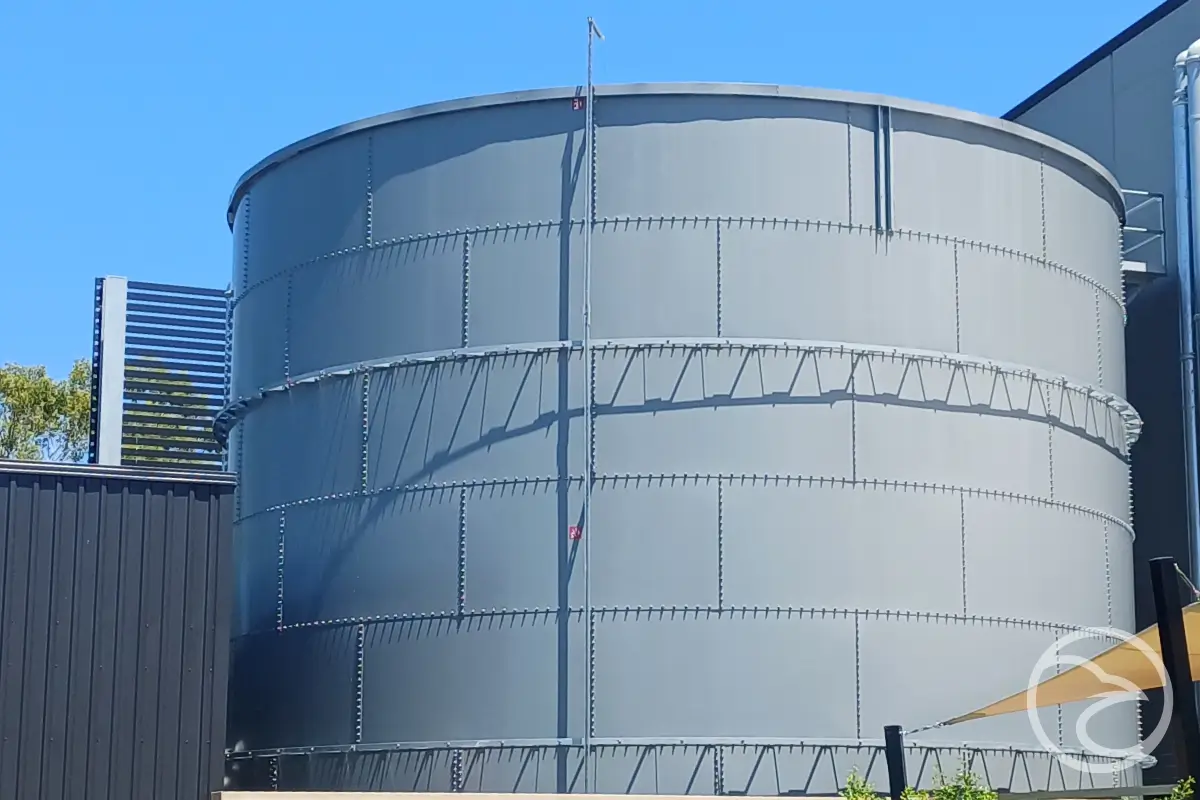

Sustainable water storage has become a key priority in Australia. Climate variability, droughts, and increasing demand put pressure on water systems. Water tanks play an important role in reducing reliance on mains water. They also support long-term resource efficiency and environmental protection.
By collecting and storing rainwater, tanks reduce demand on public infrastructure. They also help manage stormwater and reduce environmental impact . Sustainable storage systems are now widely used in residential, commercial, and industrial settings.
They provide both environmental and operational benefits.
Key Benefits of Sustainable Water Storage
Reduced Dependence on Mains Water
Water tanks reduce reliance on municipal water supplies. This helps conserve treated water and lowers overall demand.
Stored rainwater can be used for irrigation, cleaning, and other non-potable uses. This reduces pressure on central water systems.
Lower Environmental Impact
Sustainable water storage reduces stormwater runoff. This helps prevent pollution in rivers and waterways .
It also reduces the energy required for water treatment and transport. This contributes to a lower carbon footprint.
Improved Water Security
Water tanks provide an additional water source during dry periods. This is especially important in regions with unpredictable rainfall.
Having stored water improves resilience and reduces supply risks.
Long-Term Cost Efficiency
Sustainable systems reduce long-term water costs. They also minimise the need for frequent replacements.
Durable systems require less maintenance over time.
Sustainable Water Tank Materials
Material selection has a major impact on sustainability.
Steel Tanks
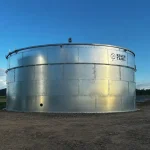
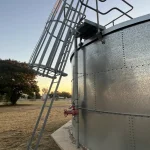
Steel tanks are strong and recyclable. They are commonly used in industrial and commercial applications.
Their long lifespan supports sustainable use over time.
Concrete Tanks
Concrete tanks are made from natural materials. They offer long service life and high durability. Some systems can last over 50 years with proper conditions .
They also provide good thermal insulation, which helps maintain water quality.
Poly (Plastic) Tanks
Polyethylene tanks are lightweight and cost-effective. They are widely used in residential applications. These tanks support rainwater harvesting and reduce reliance on mains water .
Many are recyclable, which improves sustainability at end-of-life.

Fibreglass and Modular Systems
Fibreglass and GRP tanks offer corrosion resistance and durability. They are often used in modular systems.
These systems are efficient to transport and install, reducing environmental impact.
Sustainable Design and System Efficiency
Sustainability is not only about materials. Design and system efficiency also play a key role. Modern systems aim to minimise water loss and maximise storage efficiency. Leak prevention and proper sealing are essential.
Efficient design also reduces maintenance requirements over time. This supports long-term performance and resource efficiency.
Australian Standards for Sustainable Water Storage
Sustainable water storage must comply with Australian standards. These standards ensure safety, performance, and environmental protection.
Key standards include:
- AS/NZS 4020 – materials in contact with drinking water
- AS 2304 – water storage tanks for fire systems
- AS 4100 / AS 3990 – structural steel design
- local environmental and council regulations
These standards help ensure tanks meet quality and safety requirements. They also support long-term durability and compliance.
Understanding water tank standards Australia helps ensure long-term reliability and compliance.
The Role of Maintenance in Sustainability
Sustainability depends on long-term performance, not just initial design. Maintenance plays a critical role in achieving this. Regular checks help detect early signs of wear and damage. They also prevent water loss and contamination.
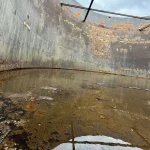
Without proper maintenance, even sustainable systems can degrade quickly. This reduces efficiency and increases environmental impact. Regular tank inspections help maintain system performance over time.
They also support compliance with standards and operational requirements.
Common Challenges in Sustainable Water Storage
Despite the benefits, some systems fail to achieve full sustainability.
Common challenges include:
- poor installation practices
- lack of regular monitoring
- material degradation over time
- environmental exposure
These issues can reduce system efficiency and lifespan.
How Sustainable Systems Support Long-Term Performance
Sustainable water storage systems are designed for long-term use. They focus on durability, efficiency, and environmental responsibility. By using quality materials and proper design, systems last longer. This reduces waste and replacement frequency.
Regular monitoring and maintenance further improve performance. They help ensure systems operate efficiently over time.
Conclusion
Sustainable water storage solutions play a key role in modern infrastructure. They reduce environmental impact and improve water efficiency. Material selection, system design, and compliance all influence sustainability. Long-term performance depends on proper maintenance and monitoring.
Understanding sustainable practices helps improve reliability and efficiency. It also supports responsible water management in Australia.