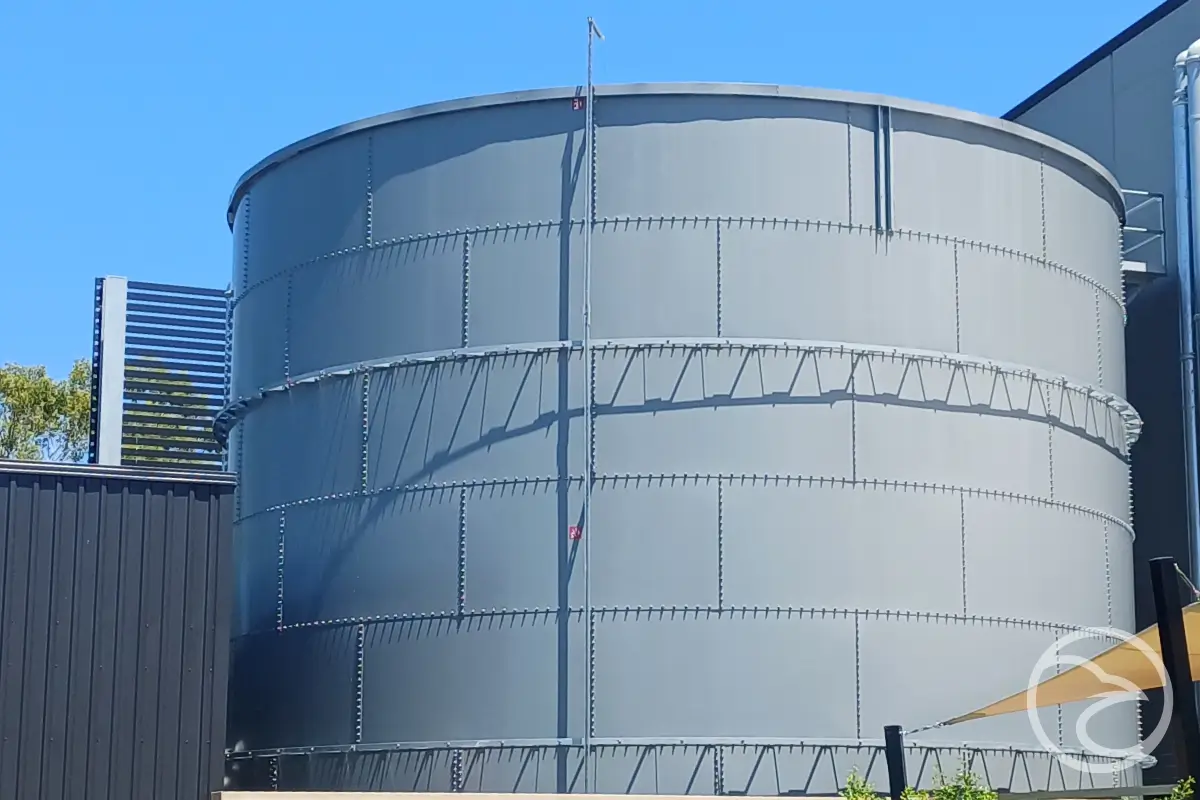

Concrete water tanks are designed for long-term water storage. However, they can develop leaks as they age. A small leak may begin with a minor crack or damaged joint. Over time, the problem can become more serious.
Water loss is not the only concern. Ongoing leakage can also affect the tank structure and surrounding areas. Finding the source early can make repairs easier. It can also help prevent unnecessary water loss.
This guide explains why concrete water tanks leak and how to identify common warning signs. It also covers the main repair options.
Why do Concrete Water Tanks Leak?
Concrete is strong, but it is not completely resistant to damage. Tank walls experience continuous pressure from stored water. They can also be affected by temperature changes and ground movement.
Small defects may develop gradually. These defects can eventually allow water to escape. Several problems are commonly associated with leaking concrete tanks.
Cracks in the Concrete
Cracking is one of the most visible causes of tank leakage. Concrete can crack because of movement, stress, ageing, or poor initial construction.
Some cracks remain superficial. Others extend through the concrete and create a path for water. The location and width of a crack can help determine its importance.
A professional inspection may be needed when the cause is unclear.
Ground Movement
Concrete tanks depend on stable foundations. Changes in the surrounding ground can place additional stress on the structure.
Movement may occur because of soil conditions, erosion, settlement, or changing moisture levels. Even small movements can affect joints and existing cracks.
The resulting damage may develop slowly and remain unnoticed for some time.
Failed Joints
Concrete tanks often contain construction joints or connections between different structural elements. These areas can become vulnerable as the tank ages.
Sealants and other joint materials may deteriorate over time. Movement can also cause separation around joints.
Water may then escape through these weakened areas. Joint leakage can sometimes resemble cracking. A closer inspection can help identify the actual source.
Problems Around Pipes and Fittings
Not every apparent concrete tank leak comes through the concrete itself. Pipe penetrations, outlets, valves, and fittings can also develop leaks.
Seals around penetrations may deteriorate or move. A leaking fitting can produce moisture around the tank wall. This may initially look like structural leakage.
These components should therefore be checked during leak investigations.
Deterioration of Internal Surfaces
The internal surface of a concrete tank is constantly exposed to stored water. Over time, some surfaces can deteriorate.
Existing waterproofing systems may also lose their effectiveness. Surface deterioration can expose more vulnerable areas beneath the original protective layer.
The extent of deterioration will influence the most suitable repair method.
Ageing Waterproofing Systems
Some concrete tanks use coatings or other waterproofing systems. These systems do not necessarily last for the entire life of the tank.
Age, movement, and operating conditions can reduce their effectiveness. The coating may blister, separate, crack, or wear away.
Once this occurs, water can reach the underlying concrete more easily.
Tank age also matters, and understanding how long tank liners last can help identify when inspection or replacement may be needed.
What are the Signs of a Leaking Concrete Water Tank?
A significant leak is usually easy to notice. Smaller leaks can be more difficult to identify. Several warning signs can indicate that further investigation is needed.
Unexpected Water Loss
A falling water level is one of the clearest warning signs. However, water levels can change for several reasons.
Normal usage and evaporation should be considered before assuming the tank has a leak. Persistent unexplained losses require closer investigation.
Monitoring water levels over several days can help identify unusual changes.
Damp Areas Around the Tank
Wet areas around the outside of the tank can indicate leakage. Look for persistent damp patches near walls or around the base.
The location of the moisture may provide clues about the source. However, water can travel before becoming visible.
The wettest area is therefore not always the exact leak location.
Visible Cracks
Cracks should be inspected when they appear on tank walls or floors. Not every concrete crack causes leakage.
However, cracks accompanied by moisture require attention. Changes in crack size may also indicate continuing movement.
Recording visible cracks can help track changes over time.
Water Around Pipes or Connections
Moisture around a pipe penetration may indicate a failed seal. Check connections, valves, and outlets for visible water.
These areas are often easier to repair than structural concrete damage. Correct diagnosis can therefore prevent unnecessary work.
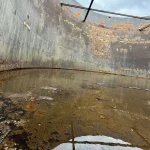
Surface Damage Inside the Tank
Internal deterioration may provide another warning sign.
Possible signs include:
- damaged coatings;
- exposed or deteriorating concrete;
- loose surface material;
- cracks around joints;
- damaged seals;
- corrosion around metal components.
Tank entry involves serious safety risks. Internal inspections should follow appropriate confined-space procedures.
Understanding the key concrete tank lining benefits can help explain why lining is considered for ageing or deteriorating water tanks.
How Can You Find the Source of a Concrete Tank Leak?
Finding a leak can be harder than expected. Water does not always appear directly beside the original defect. It may travel through cracks, joints, or interfaces before becoming visible.
A systematic inspection is therefore important. Start by checking obvious external signs. Look for cracks, wet patches, damaged fittings, and changes around the tank base.
The water level can also provide useful information. For example, leakage may slow when the water drops below a particular height. That pattern can help narrow the search area.
Previous maintenance records can provide additional clues. Repeated repairs in one area may indicate a larger underlying problem. Professional inspections can include several methods. The method depends on the tank design and operating conditions.
The main objective is to identify the cause before selecting a repair.
Can a Leaking Concrete Water Tank be Repaired?
Many concrete water tank leaks can be repaired. However, there is no single repair method suitable for every tank.
The correct approach depends on several factors.
These include:
- location of the leak;
- condition of the concrete;
- crack size and movement;
- condition of joints;
- tank age;
- previous repairs;
- structural condition;
- intended water use.
A small local defect may require only a targeted repair. Widespread deterioration may require a more comprehensive approach.
The source of the leak should always be understood before repairs begin. For a detailed comparison, see tank relining vs tank liner repair vs replacement to understand how each approach addresses different tank conditions.
Repairing Localised Cracks
Localised cracks may sometimes be repaired without treating the entire tank. Different repair systems are available for concrete structures. The appropriate system depends on the crack and its cause.
A repair must account for possible future movement. Simply covering a crack may not solve the underlying issue.
The area should first be assessed for structural movement or continuing deterioration. If movement continues, the crack may reopen after repair.
Repairing Joints and Penetrations
Joints and penetrations require different treatment from general concrete surfaces. Old sealants may need removal before a new system is applied. Damaged materials around the joint may also require repair.
Pipe penetrations need careful attention. Movement between the pipe and concrete can place stress on surrounding seals.
The replacement system should suit the expected movement and service conditions.
When are Surface Repairs not Enough?
Repeated patching is not always an effective long-term strategy. A tank may contain many small defects rather than one isolated problem. The internal surface may also be generally deteriorated.
In these situations, fixing individual areas can become difficult. New leaks may appear after previous defects are repaired.
This pattern can indicate a broader waterproofing problem. A more complete containment solution may then be considered.
When is a Concrete Tank Liner Considered?
A tank liner provides a separate barrier between stored water and the original tank surface. It can be considered when local repairs are unlikely to provide reliable water containment.
However, a liner is not automatically suitable for every leaking tank. The underlying tank must first be assessed. Structural problems cannot simply be hidden behind a new liner.
The tank must be suitable for continued service.
Concrete tank liners may be considered when:
- the structure remains serviceable;
- the internal surface has widespread deterioration;
- previous waterproofing has failed;
- multiple small leaks are present;
- repeated local repairs have been unsuccessful;
- a separate water containment barrier is required.
The condition of the existing tank remains an important factor.
How does a Concrete Tank Liner Work?
A liner changes how water is contained inside the tank. Instead of relying entirely on the concrete surface, the liner forms a separate barrier. This can isolate stored water from cracks and porous areas.
The liner must fit the tank correctly. Connections around pipes, outlets, and other penetrations also require careful detailing. These areas can become potential weak points if they are not properly addressed.
Different liner materials are available for different applications. Material selection depends on factors such as water type, tank design, and operating conditions.
Compatibility with the intended use is particularly important. For tanks requiring a reliable long-term containment solution, concrete tank liners can provide a durable barrier for demanding water storage applications.
What is Tank Relining?
Relining generally involves installing or replacing an internal containment system. The process can vary depending on the existing tank. It may involve removing damaged materials before installing the new system.
Surface preparation is also important. Loose material, sharp projections, or damaged components may affect the new liner. Existing penetrations and fittings must also be considered.
Relining does not remove the need to assess structural defects. Concrete damage may require repair before liner installation begins.
Repair or Reline: what is the Difference?
Repair and relining address water loss in different ways. A local repair targets a particular defect. Relining creates a broader containment barrier inside the tank.
Neither approach is automatically better. The correct option depends on the condition and cause of the leak. Local repair may make sense when damage is limited to a small area.
Relining may be considered when waterproofing problems are more widespread. Inspection findings should guide the decision.
When Might Tank Replacement be Necessary?
Repairing an existing tank is not always appropriate. Some tanks may have significant structural deterioration. Others may no longer suit their required storage capacity or operating conditions.
Replacement may need consideration when structural problems are extensive. The same applies when repairs cannot provide reliable continued service.
Possible concerns include:
- significant structural cracking;
- severe concrete deterioration;
- extensive reinforcement corrosion;
- major foundation movement;
- recurring structural defects;
- unsuitable tank configuration;
- damage affecting overall stability.
These conditions require proper engineering assessment. A liner should not be treated as a solution for structural failure.
Why is Inspection Important Before Repair?
The visible leak is only part of the problem. Understanding why the leak developed is equally important. Without this information, repairs may only address the symptom.
An inspection can help determine whether the problem is localised or widespread. It can also identify issues around fittings, joints, and other components. The findings can then guide the repair strategy.
This approach reduces the risk of repeatedly repairing the same underlying problem. Inspection is especially useful for older tanks with limited maintenance records.
Can Small Concrete Tank Leaks Become Larger?
Small defects can change over time. Water movement can gradually affect damaged areas. Structural movement may also increase existing cracks.
The rate of deterioration varies between tanks. Some defects remain stable for long periods. Others become more serious relatively quickly.
Regular monitoring can help identify changes before they become difficult to manage. Photographs and maintenance records are useful for tracking visible defects.
Can a Concrete Water Tank Leak Without Visible Cracks?
Yes. Visible cracking is only one possible source of water loss. Water may escape through joints, penetrations, fittings, or deteriorated waterproofing. Some cracks may also be difficult to see.
Others may be located below the normal water level. This is why visual inspection alone may not always identify the source.
Water level patterns and surrounding moisture can provide additional clues.
Should a Leaking Tank be Emptied Immediately?
The appropriate response depends on the severity and location of the leak. A small leak may not require immediate draining. A major leak or structural concern requires more urgent assessment.
Tank function must also be considered. Fire water tanks and other essential storage systems may have specific operational requirements. Unplanned draining could affect system availability.
The situation should therefore be assessed before changing normal operation.
How can Future Concrete Tank Leaks be Reduced?
Not every leak can be prevented. However, regular inspection and maintenance can identify developing problems earlier.
Several practical measures can reduce risk:
- inspect visible tank surfaces regularly;
- monitor unexplained changes in water level;
- check pipe connections and penetrations;
- investigate new cracks;
- maintain waterproofing systems;
- record previous repairs;
- monitor known defects;
- address drainage issues around the tank;
- arrange specialist assessment when deterioration appears.
Maintenance records are particularly valuable for older tanks. They show whether the same areas continue to develop problems.
Repeated failures may indicate that a different repair approach is needed.
How Often Should a Concrete Water Tank be Inspected?
Inspection frequency depends on the tank’s purpose, condition, and applicable requirements. A newer tank may have different maintenance needs from an ageing structure. Operating conditions also matter.
Tanks exposed to movement or harsh environments may require closer monitoring. Essential water storage systems can also have specific inspection requirements.
The inspection schedule should therefore reflect the tank’s actual application. Visible changes should not be ignored between scheduled inspections.
New leaks, cracks, or unexplained water loss may justify an earlier assessment.
What Information Helps During a Tank Assessment?
Good records can make leak investigation easier.
Useful information includes:
- tank age;
- construction details;
- previous inspection reports;
- repair history;
- liner or coating information;
- recent water level changes;
- photographs of defects;
- dates when leaks first appeared;
- changes around the surrounding ground.
Even simple records can reveal useful patterns. For example, repeated leakage after heavy rainfall may indicate movement or drainage problems.
Leaks appearing at specific water levels can also help locate defects.
Choosing the Right Response to a Leaking Concrete Tank
A leaking concrete tank does not always require major work. Some leaks come from small, localised defects. Others indicate wider deterioration or failed waterproofing.
The first step is identifying where the water is escaping. The next step is understanding why the problem developed.
Local repairs may be suitable for isolated cracks, joints, or penetrations. More widespread problems may require a broader containment approach. Concrete tank liners are one possible option when the existing structure remains suitable.
Replacement may become necessary when structural deterioration is too extensive. The important point is to match the solution to the actual condition of the tank.
Accurate inspection makes that decision easier and reduces the risk of repeated repairs.