A water tank overflow can appear to be a simple plumbing problem. However, repeated or uncontrolled overflow can cause much wider issues.
Escaping water can damage the tank area, waste stored water, and affect nearby equipment. In some applications, it can also create hygiene or environmental concerns.
A water tank overflowing usually indicates a problem with filling, level control, drainage, or monitoring. Finding the cause quickly can reduce damage and prevent the problem from returning.
This guide explains common causes, warning signs, risks, and water tank overflow solutions. It also covers GRP, stainless steel, HDG, and glass-fused-to-steel panel tanks.
What is Water Tank Overflow?
Water tank overflow occurs when the incoming water exceeds the tank’s intended operating level.
A properly designed tank usually includes an overflow connection. This provides a controlled route for excess water if the normal level control fails.
The overflow itself is therefore an important safety feature. The problem begins when water repeatedly reaches this point or escapes through unintended areas.
An uncontrolled tank overflow can occur through roof openings, access hatches, panel joints, or other vulnerable areas. This situation requires investigation.
Is Water Coming from the Overflow Pipe Always a Problem?
Not necessarily. A water tank overflow pipe provides a route for excess water to leave the tank safely. Occasional discharge may occur during an unusual filling or control event.
However, continuous discharge usually indicates an underlying problem. The tank should not depend on its overflow pipe as the normal method of controlling water level.
Frequent overflow may indicate a faulty valve, sensor, pump control, or incorrect system setting.
The cause should be identified rather than simply allowing the excess water to continue draining.
How Does a Water Tank Overflow System Work?
A tank normally has a designated operating water level below its maximum physical capacity.
The filling system should stop or reduce inflow before water reaches the overflow level. Different tanks achieve this using mechanical or electronic controls.
Common components include:
- Float-operated inlet valves
- Water level sensors
- Pump controls
- Automatic shut-off valves
- High-level switches
- High-level alarms
- Overflow pipes
- Monitoring systems
The overflow for a water tank acts as secondary protection. It should safely carry excess water away if the primary control system fails.
The overflow capacity must also suit the potential incoming flow. An undersized or obstructed pipe may not discharge water quickly enough.
Common Causes of Water Tank Overflow
There is no single cause of every overflowing tank. The problem can involve mechanical equipment, electronic controls, pipework, maintenance, or system design.
Identifying the actual cause is essential before repairs begin.
Faulty Float Valve
Float valves provide simple mechanical level control in many water storage systems.
The float rises as the water level increases. At the required level, the mechanism closes or restricts the inlet.
A damaged or incorrectly adjusted valve may remain open. Water then continues entering the tank after reaching its normal operating level.
Wear, deposits, mechanical obstruction, and incorrect installation can all affect valve operation.
Failed Water Level Sensor
Electronic level sensors are common in automated systems. A sensor detects the water level and sends information to the control system. The system can then stop a pump or close an inlet valve.
A failed sensor may provide an incorrect reading. The filling equipment can continue operating because the system does not recognise a full tank.
Sensor contamination can also affect some level measurement technologies.
Pump Control Failure
Some tanks are filled using pumps rather than direct mains pressure. The pump should stop when the required water level is reached. A control failure can prevent this shutdown.
Problems may involve switches, controllers, sensors, relays, or communication systems.
The result can be continuous filling and eventual overflow.
Incorrect Level Settings
The equipment may be operating correctly but using incorrect settings. For example, the shut-off point may be positioned too close to the overflow level. Normal fluctuations can then cause repeated discharge.
High-level alarm settings may also be incorrect. Operating levels should provide adequate separation between normal storage level and emergency overflow level.
Blocked Overflow Pipe
A blocked overflow pipe in a water tank can make an existing problem much worse. Debris, insects, corrosion products, biological material, or physical damage can restrict the outlet.
Water cannot escape at the required rate when the level rises. It may then reach the roof, hatch, vents, or other openings.
Excessive Inlet Flow
The overflow system needs enough capacity to manage foreseeable excess inflow. Problems can occur when the incoming flow exceeds the discharge capacity of the overflow pipe.
This may result from system modifications or incorrectly sized pipework. The filling system and overflow arrangement should therefore be considered together.
Poor Tank Design or Installation
Some overflow problems begin with tank design or installation. Incorrect pipe positions can reduce the available freeboard. Poorly positioned outlets can also create unwanted discharge patterns.
Other potential issues include inadequate drainage and unsuitable overflow routing. These problems can become more noticeable during high-demand or abnormal operating conditions.
Lack of Maintenance
Valves, sensors, pipes, alarms, and controls require inspection. Small defects can remain unnoticed until they cause a larger failure.
Regular maintenance can identify damaged components before a panel tank overflow occurs. It can also reveal signs of previous overflow around the tank.
Signs of a Water Tank Overflow Problem
Visible water flowing from the overflow pipe is the most obvious warning. However, other signs can indicate intermittent or previous overflow.
Look for:
- Persistent water around the tank
- Damp foundations or floors
- Water staining below overflow outlets
- Unexpectedly high water consumption
- Pumps running longer than expected
- Frequent high-level alarms
- Wet external tank surfaces
- Erosion near the discharge point
- Corrosion around fittings or supports
- Water marks near roof level
These signs should not be ignored. A water tank overflowing intermittently may stop before anyone sees the actual discharge. Evidence around the tank can still reveal the problem.
What Happens when a Water Tank Overflows?
The immediate consequence is water loss. However, the seriousness depends on tank location, stored water, overflow duration, and discharge route.
Inside a building, overflow can damage floors, walls, electrical systems, and equipment. Water may also reach occupied areas below the tank room. Outdoor overflow can saturate foundations or erode surrounding ground.
Industrial tanks can create additional risks if the stored liquid contains chemicals or contaminants. Repeated overflow can therefore become an operational, structural, environmental, and financial problem.
Can Overflow Damage the Water Tank?
Overflow does not automatically mean the tank itself has suffered serious damage. A functioning overflow system should discharge excess water without placing abnormal pressure on the tank.
The situation changes when the overflow route cannot handle incoming water. Water may reach components not intended for continuous immersion. It can also escape through roof openings or other connections.
Repeated external wetting may affect supports, fasteners, seals, coatings, and surrounding structures. The consequences depend strongly on the tank material and construction.
Repeated overflow can reveal or worsen existing tank defects. Explore why water storage become vulnerable to leaks for a closer look at common leakage risks.
Property and Structural Risks
Overflowing water must go somewhere. For an indoor tank, even a relatively small continuous flow can create substantial damage over time.
Water may affect:
- Floors
- Walls
- Foundations
- Electrical equipment
- Pumps
- Building services
- Insulation
- Stored materials
- Adjacent machinery
Rooftop installations create additional concerns. Overflow can enter roof systems, drains, service penetrations, or occupied areas below.
A reliable discharge route is therefore essential.
Environmental Effects of Water Tank Overflow
The environmental impact depends on what the tank contains. Overflow from a clean water tank mainly creates water waste and local drainage problems. Large volumes can still cause erosion or flooding.
Industrial water can present greater risks. Depending on its composition, uncontrolled discharge may affect soil, stormwater systems, or nearby waterways.
Overflow water should therefore be directed to an appropriate location. The correct discharge method depends on the tank application and local requirements.
Water Quality and Contamination Risks
Overflow problems can also affect water hygiene. A tank operating constantly at excessive levels may expose areas around vents, hatches, or roof components to water.
Poor drainage around the tank can create standing water. This can increase hygiene and pest concerns around the installation. An overflow incident may also indicate that other tank controls have not been maintained.
For potable systems, the tank should be inspected when contamination is reasonably suspected.
What to Do When a Water Tank is Overflowing
The first priority is stopping unnecessary inflow without creating another operational problem. The correct response depends on the tank’s purpose and system configuration.
Typical actions include:
- Identify where the water is escaping.
- Determine whether the overflow pipe is functioning.
- Check the current tank level.
- Inspect the filling system.
- Check float valves or level sensors.
- Review pump and control operation.
- Stop or isolate filling when safe and appropriate.
- Protect nearby equipment from escaping water.
- Inspect the tank and surrounding area.
- Repair the actual cause before normal operation resumes.
Critical systems require additional care. For example, actions involving a fire water tank must not compromise required fire protection availability.
How to Fix an Overflowing Water Tank
Anyone searching how to fix an overflowing water tank should begin with diagnosis rather than replacing random components.
If the float valve remains open, it may require adjustment, cleaning, repair, or replacement. If a level sensor has failed, the sensor and associated control system require testing.
A blocked overflow pipe needs inspection and safe clearing. Pump-related problems may require electrical or control system repairs.
The tank should also be inspected after significant overflow. Repairing the filling system without checking resulting damage can leave other problems unnoticed.
How to Stop Water Tank Overflow from Happening Again
Understanding how to stop water tank overflow requires more than repairing the failed component. The system should have multiple levels of protection.
Primary level control prevents routine overfilling. A separate high-level alarm can provide warning if this control fails. The overflow pipe provides another layer of protection.
Remote monitoring can add further protection for important or unattended installations. The best arrangement depends on the tank’s purpose, location, capacity, and operational risk.
Water Tank Overflow Control Methods
Several technologies can help control water level and reduce overflow risk.
Float Valves
Float valves are simple and widely used. They mechanically reduce or stop incoming water as the level rises.
Their simplicity can be an advantage. However, they still require inspection for wear, obstruction, and correct adjustment.
Level Sensors
Electronic sensors can provide more advanced control. Different technologies can measure or detect water level and communicate with pumps, valves, or control systems.
Sensors should be selected for the stored liquid and tank environment. They should also be tested periodically.
For improved level monitoring and overflow prevention, explore our tank level indicators for water storage systems.
Automatic Shut-Off Valves
Automatic valves can stop incoming water when the system reaches a defined level. They may operate using signals from level sensors or other controls.
The valve should fail in a predictable and appropriate manner for the application.
High-Level Alarms
A high-level alarm warns operators before or during an abnormal level event. Alarms can be visual, audible, remote, or connected to a building management system.
An alarm does not physically stop water by itself. It should form part of a broader overflow management strategy.
Pump Controls
Pump-fed tanks need reliable start and stop controls. Independent high-level protection can provide additional security if the normal control fails.
Control logic should also consider sensor failure and communication faults.
Overflow Pipes
The overflow pipe provides a controlled route for excess water. It should be correctly sized, positioned, supported, and kept clear.
Its discharge location is equally important. The pipe should direct water somewhere it can be managed without causing another hazard.
Remote Tank Monitoring
Remote monitoring can provide continuous information about water level and system status. Some systems can generate alerts when the level rises beyond a defined limit.
This is particularly useful for remote or high-value installations. Monitoring does not replace physical inspection and maintenance.
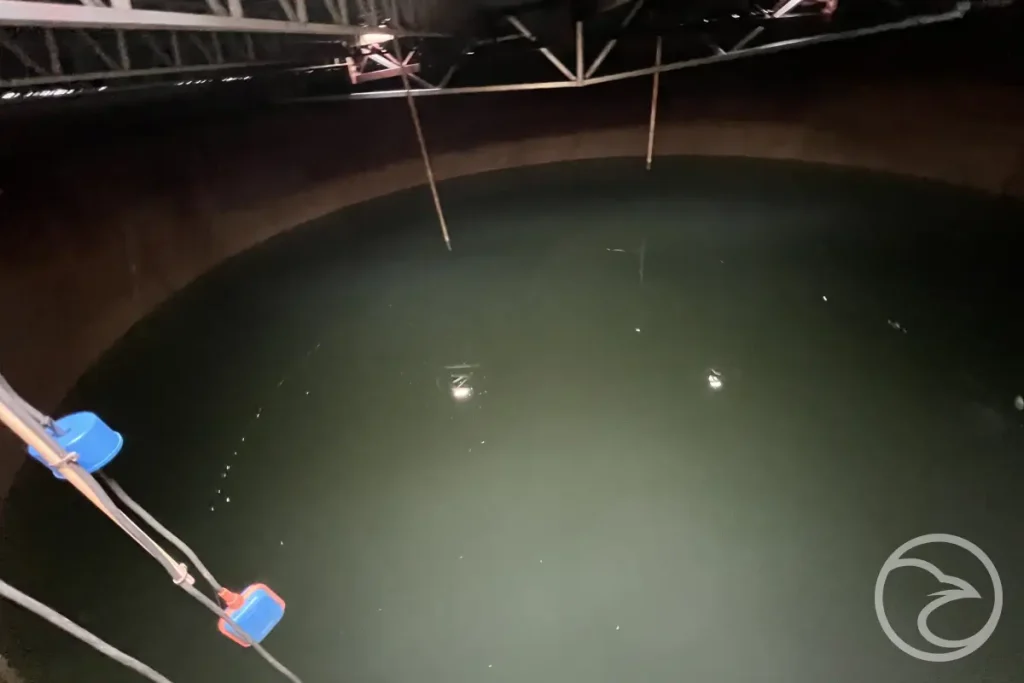
Where Should Water Tank Overflow Go?
Overflow should discharge to a safe and appropriate location. It should not simply release water beside the tank foundation.
Poor discharge placement can cause erosion, standing water, structural problems, or damage to nearby equipment. Indoor tanks need particularly careful overflow routing.
The discharge system should manage foreseeable flow without allowing water to flood the building. Industrial applications may require controlled collection or treatment.
The stored liquid determines whether discharge into normal drainage is appropriate.
Fire Water Tank Overflow
Fire water tanks require special consideration because stored capacity supports fire protection systems. Overflow can indicate a problem with automatic filling or level controls.
A persistent tank overflow wastes water and can affect the tank area. More importantly, it can indicate unreliable control equipment. Corrective work must preserve required fire protection availability.
Inspection should consider the inlet controls, overflow route, water level, tank condition, and associated equipment. The underlying cause should be corrected without reducing system readiness.
Potable Water Tank Overflow
Potable water tanks require strong hygiene controls. Repeated overflow wastes treated water and can create wet conditions around the tank.
The cause may involve a float valve, level sensor, pump, or control system. After a significant event, the tank condition should be assessed for potential contamination risks.
Access hatches, vents, seals, and other openings deserve attention. Cleaning or further water quality measures may be required where contamination has occurred or is suspected.
Industrial Water Tank Overflow
Industrial applications can create more complex overflow risks. The tank may contain process water, wastewater, treated water, or water containing chemicals.
An uncontrolled discharge can therefore create environmental and workplace concerns. Industrial water tank overflow solutions may require more advanced monitoring and containment.
High-level alarms, automatic isolation, secondary containment, and remote monitoring may be appropriate.
The response should match the properties of the stored liquid.
Panel Water Tank Overflow
A panel water tank overflowing requires attention to both the filling system and modular tank construction. Panel tanks contain numerous joints, fasteners, seals, and structural components.
A properly functioning overflow should prevent water from reaching unintended openings. However, severe overfilling can expose roof-level components and connections to abnormal wetting.
After a panel tank overflow, the upper panels, seals, roof, supports, fittings, and overflow connection should be inspected. Any visible leakage should be investigated separately from the original overfilling problem.
GRP Panel Water Tank Overflow
GRP tanks use glass-reinforced plastic panels joined into a modular structure. The GRP panels themselves do not develop conventional rust.
However, an overflowing GRP tank can still create maintenance concerns. Water may repeatedly wet seals, fasteners, external supports, and surrounding structures.
If the normal overflow cannot manage incoming water, water may reach roof-level joints or access openings. A significant water panel tank overflow should therefore be followed by inspection.
Particular attention should be given to seals, joints, supports, fittings, and the overflow connection.
Stainless Steel Water Tank Overflow
Stainless steel provides strong general corrosion resistance. However, continuous wetting should not automatically be considered harmless.
Overflow can expose external surfaces, connections, supports, and nearby components to prolonged moisture. Water chemistry and environmental conditions also matter.
Chlorides can increase localised corrosion risk for some stainless steel grades. After repeated overflow, inspect panel joints, bolts, fittings, supports, and areas where water can remain trapped.
The overflow pipe and level controls should also be checked.
HDG Water Tank Overflow
Hot-dip galvanised steel uses a zinc coating to protect the underlying steel. This protective system performs differently from stainless steel or GRP.
Repeated overflow can keep external surfaces, bolts, supports, and connections wet. Damaged or ageing protective coatings may become more important under these conditions.
Standing water around the base should also be avoided. An overflowing HDG tank should be inspected for coating condition, corrosion, joint condition, and drainage problems.
The cause of overfilling should then be corrected.
Glass-Fused-to-Steel Tank Overflow
Glass-fused-to-steel tanks combine steel strength with a fused glass coating. The coating provides a protective barrier between the steel and its environment.
Overflow does not automatically damage this coating. However, repeated abnormal wetting makes the condition of joints, panel edges, fittings, and seals important.
Any existing coating damage can create vulnerable areas.
Inspection should therefore focus on both the overflow system and tank condition. Visible defects should be assessed before they develop into larger maintenance issues.
Does Tank Material Change the Effects of Overflow?
Yes, but material is only one factor. Different tanks respond differently to prolonged moisture, water chemistry, and repeated wetting.
| Tank Type | Key Areas to Check After Overflow |
|---|---|
| GRP panel tank | Seals, joints, supports, fittings and roof areas |
| Stainless steel tank | Joints, fittings, supports and corrosion-prone areas |
| HDG tank | Zinc coating, fasteners, supports and exposed steel |
| Glass-fused-to-steel tank | Coating, panel edges, seals, joints and fittings |
Tank location also matters. An indoor GRP tank overflowing may create greater property damage than an outdoor steel tank with controlled drainage.
The complete installation should therefore be assessed.
How to Prevent Water Tank Overflow
Prevention starts with reliable level control. The system should stop filling before water reaches the emergency overflow level.
Good preventive measures include:
- Inspect float valves regularly.
- Test level sensors and switches.
- Test high-level alarms.
- Check automatic shut-off systems.
- Inspect pump controls.
- Keep overflow pipes clear.
- Confirm overflow discharge routes.
- Maintain adequate operating freeboard.
- Inspect the tank periodically.
- Investigate previous overflow evidence.
- Review settings after system modifications.
- Consider remote monitoring for critical tanks.
Preventive maintenance is usually easier than managing a major overflow event. This is particularly true for tanks installed inside buildings.
Regular water tank maintenance can help identify faulty valves, level controls, blocked overflows, and other issues before they cause overflow.
Why Regular Inspection Matters
Overflow problems often develop gradually. A float valve may become less reliable before failing completely. A sensor can begin providing inconsistent readings.
An overflow pipe may also become partially restricted over time. Routine inspection can identify these problems before the tank begins overflowing.
The tank itself should be inspected at the same time. Water staining, corrosion, damaged seals, and drainage problems can provide early evidence of previous incidents.
After a major overflow, professional tank inspections can help assess the tank, joints, supports, fittings, and other critical components.
Inspection After a Major Overflow
A significant overflow should not end with simply turning off the incoming water. The tank and associated systems should be checked for secondary damage.
Inspection may include:
- Overflow pipe condition
- Inlet valve operation
- Level control system
- Alarm operation
- Pump controls
- Roof and access hatches
- Panel joints
- Seals and gaskets
- External supports
- Tank foundation
- Surrounding drainage
- Electrical equipment near the tank
The exact inspection scope depends on the severity and duration of the event. Stored water type should also influence the response.
Preventing overflow also requires consistent inspection and servicing. Our water tank maintenance checklist covers the key areas that should be checked regularly.
When is Professional Tank Repair Needed?
Professional assessment may be appropriate when overflow has caused visible tank damage or repeated leakage.
It can also be necessary when the cause cannot be identified through normal system checks.
Warning signs include damaged panels, failed seals, significant corrosion, coating damage, structural movement, or repeated unexplained overflow.
Critical tanks may require professional assessment even when damage is not immediately visible.
Fire, potable, and industrial water systems can have operational or compliance requirements beyond basic plumbing repairs.
Practical Water Tank Overflow Prevention Tips
A few practical measures can significantly reduce overflow risk. Do not rely on the overflow pipe as normal level control. It should remain a protective route for abnormal conditions.
Keep sufficient distance between normal operating level and overflow level. Test alarms instead of assuming they work.
Check the discharge point during inspections. An overflow pipe can be clear at the tank but obstructed elsewhere.
Finally, investigate every unexplained overflow event. Repeatedly resetting equipment without identifying the cause can allow a small fault to become a larger problem.
Water Tank Overflow: Final Thoughts
A water tank overflow is often a symptom rather than the primary fault. The underlying problem may involve a float valve, level sensor, pump control, blocked pipe, incorrect setting, or poor system design.
The consequences can extend beyond wasted water. Overflow may damage buildings, affect tank components, create environmental concerns, and disrupt important water storage systems.
The correct response is to identify the cause, control the immediate discharge, and inspect the tank for resulting damage.
Reliable level controls, alarms, correctly designed overflow pipes, and regular maintenance provide the strongest protection.
Material also influences what should be inspected after an incident.
GRP, stainless steel, HDG, and glass-fused-to-steel tanks have different vulnerable components and protective systems.
Whether the problem involves a fire, potable, industrial, or panel water tank overflowing, prevention is the better long-term approach.
A properly maintained overflow system should remain a backup protection measure rather than part of normal tank operation.