
Choosing the right material for a water storage tank is a critical decision that affects durability, water quality, maintenance requirements, and long-term cost. With several tank materials available on the market, understanding how each option performs under different conditions helps avoid costly mistakes and ensures reliable water storage for years to come.
This guide explains how to choose a water storage tank material based on application, environment, and operational needs — without focusing on specific products or sales solutions.
Why Tank Material Selection Matters
The material of a water storage tank directly influences:
- resistance to corrosion and chemical exposure
- suitability for potable or industrial water
- structural strength and lifespan
- maintenance frequency and repairability
- compliance with safety and water quality standards
Selecting the wrong material can lead to premature failure, contamination risks, or unnecessary replacement costs.
Key Factors to Consider when Choosing a Water Storage Tank Material
1. Intended Use of the Water
Start by defining how the stored water will be used:
- potable (drinking) water
- industrial processes
- fire protection systems
- agricultural or irrigation use
Each application places different demands on hygiene standards, chemical resistance, and structural performance.
2. Environmental Conditions
External conditions significantly impact material performance:
- UV exposure and temperature fluctuations
- coastal or high-humidity environments
- chemical exposure or airborne pollutants
Materials that perform well indoors may degrade faster in harsh outdoor conditions.
3. Durability and Service Life
Some materials are designed for long-term use with minimal degradation, while others may require more frequent inspection or replacement. Consider:
- expected lifespan of the tank
- resistance to cracking, corrosion, or fatigue
- performance under continuous water pressure
A longer service life often results in lower total ownership cost.
4. Maintenance and Inspection Requirements
Different materials require different maintenance approaches:
- ease of cleaning and inspection
- repairability in case of damage
- frequency of liner replacement or refurbishment
Understanding maintenance needs helps avoid operational downtime.
5. Water Quality and Safety Compliance
For potable and regulated water systems, material choice must support:
- prevention of contamination
- compliance with local and international standards
- resistance to biofilm formation
Material compatibility with drinking water regulations is especially critical.
Common Types of Water Storage Tank Materials (Overview)
While this guide focuses on how to choose, it is useful to understand the most common material categories:
- polymer-based materials (such as GRP liners)
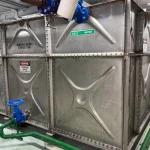
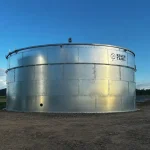
- metallic materials (including stainless steel and coated steel)
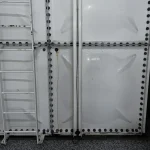
- composite panel systems
Each category has strengths and limitations depending on the use case, environment, and budget.
For detailed specifications, installation options, and applications, it is always recommended to review dedicated technical pages for each material type.

How to Match Tank Material to Your Application
Instead of choosing a material based on popularity, focus on alignment with your operational needs:
- prioritize hygiene and compliance for potable water
- emphasize durability and chemical resistance for industrial use
- consider modularity and access for inspection in large-scale systems
A material that performs well in one application may be unsuitable in another.
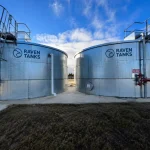
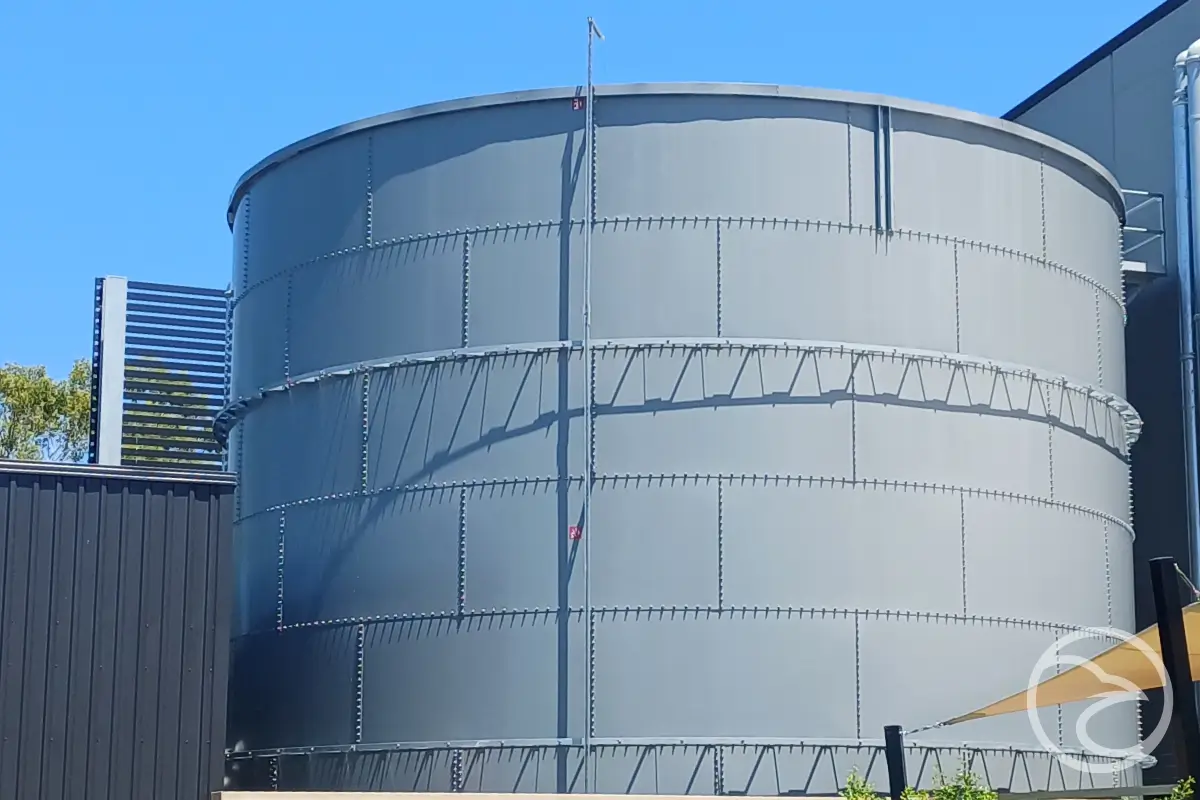
For large-scale or industrial applications, panel-based storage systems are often selected for their modular design, structural strength, and ease of installation. Learn more about industrial panel tank systems and how they are used in complex water storage environments.
Common Mistakes to Avoid
When selecting a water storage tank material, avoid:
- choosing based solely on initial cost
- overlooking environmental exposure
- ignoring long-term maintenance implications
- assuming one material suits all applications
A decision based only on short-term savings often leads to higher costs later.
Final Thoughts
Understanding how to choose a water storage tank material is about balancing performance, environment, safety, and long-term reliability. There is no universal “best” material — only the most suitable option for a specific application.
Carefully evaluating these factors ensures better performance, reduced maintenance issues, and greater confidence in your water storage system.