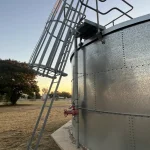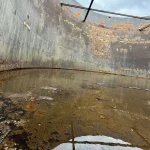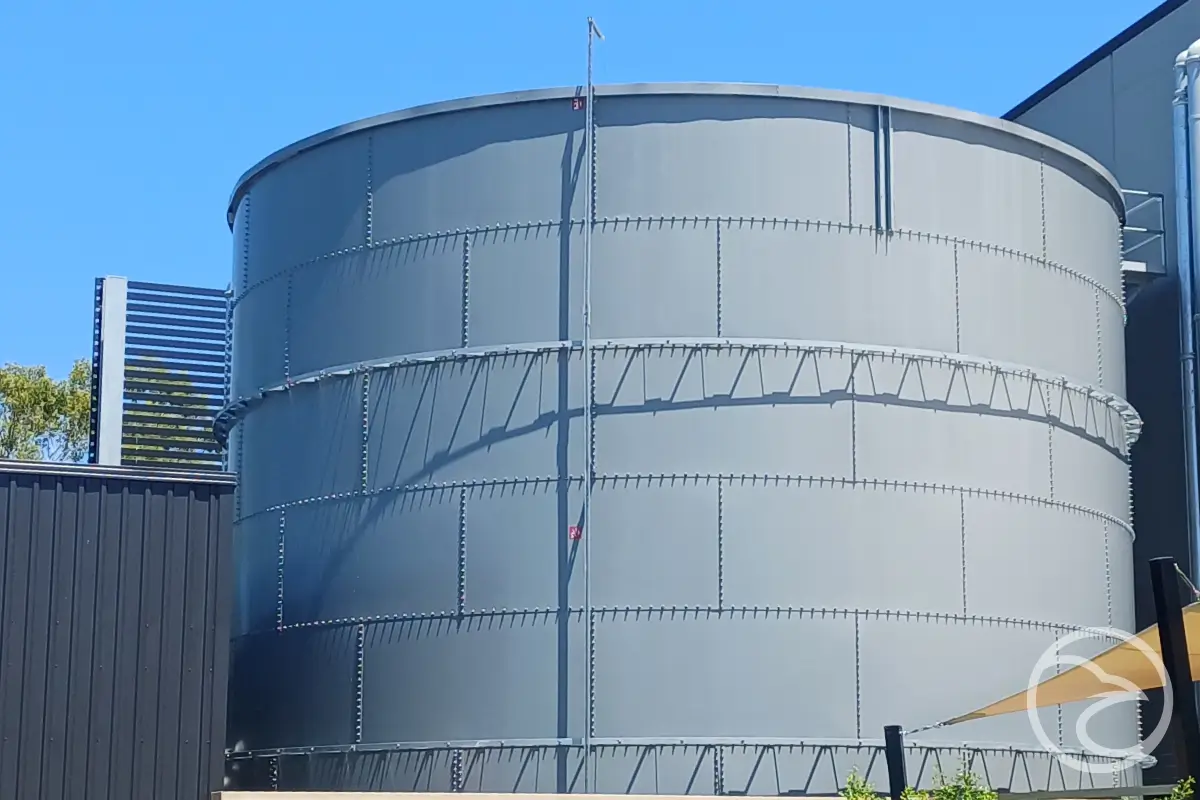

Storage tanks can remain in service for many years. However, their condition can gradually change during operation. Corrosion, settlement, coating deterioration, deformation, and leakage can develop over time. Some problems remain difficult to detect without systematic inspection.
Tank inspection provides information about the condition of a tank and its components. It helps identify deterioration before it develops into more significant damage. Inspections can examine the shell, roof, floor, supports, connections, coatings, and other accessible components.
The required inspection approach depends on the tank type, material, service conditions, age, and previous findings. This guide explains tank inspection methods, common inspection areas, and the overall inspection process.
It also explains how inspection findings contribute to tank integrity assessment and maintenance planning.
What is a Tank Inspection?
A tank inspection is a systematic examination of a storage tank and its components. The purpose is to identify visible deterioration, structural changes, corrosion, leakage, or other potential problems.
An inspection may focus on the entire tank or specific components.
For example, inspectors may examine:
- tank shells;
- roofs and covers;
- tank floors;
- access points;
- connections and nozzles;
- coatings and linings;
- structural supports;
- foundations;
- ladders and platforms;
- seals and penetrations.
Inspection methods vary according to the tank and the information required. Some examinations involve visual inspection only. Others use measurements, testing equipment, remote technologies, or several methods together.
A tank inspection therefore describes more than one individual test. It is a broader process for understanding tank condition.
For professional condition assessments and detailed reporting, explore our tank inspection services for storage tanks.
Why are Tank Inspections Important?
Storage tanks operate under environmental and service conditions that can gradually affect their components. Moisture, chemicals, temperature changes, loading, and ground movement can influence tank condition.
Corrosion can reduce metal thickness over time. Coatings can also deteriorate and expose underlying surfaces. Foundations may settle unevenly. Tank walls can develop deformation or localised distortion.
Connections and penetrations may also show signs of deterioration. Regular inspection provides an opportunity to identify these conditions and document changes.
Inspection records can also support comparisons between different inspection periods. This historical information is useful because tank deterioration is often progressive.
A single measurement shows current condition. Repeated measurements can reveal whether that condition is changing.
What does a Tank Inspection Look for?
Tank inspections can examine several forms of deterioration. The exact inspection scope depends on the tank design and service environment.
Common inspection findings can include:
- corrosion;
- coating deterioration;
- cracking;
- deformation;
- settlement;
- leakage;
- damaged connections;
- loose components;
- surface deterioration;
- damaged seals;
- floor deterioration;
- structural damage.
Not every finding indicates an immediate structural problem. The significance depends on its location, extent, severity, and relationship with other tank components.
For this reason, inspection findings should be documented clearly. Measurements, photographs, observations, and location information can provide useful context for later assessment.
Tank Integrity Inspection
Tank integrity inspection focuses on conditions that may affect continued tank performance. It considers more than surface appearance.
Inspectors may examine structural components, material condition, corrosion, deformation, foundations, and connections. The objective is to collect reliable information about the tank’s physical condition.
That information can then support a broader tank integrity assessment. An integrity inspection may include several inspection techniques rather than one standalone procedure.
The combination depends on the tank design and identified risks.
Tank Integrity Inspection and Tank Integrity Assessment
The terms inspection and assessment are related, but they do not always mean the same thing. A tank integrity inspection gathers information about physical condition. A tank integrity assessment considers what those findings mean for the tank.
Inspection may identify corrosion, for example. Assessment can consider its extent, location, remaining material, and potential significance. The same principle applies to settlement, deformation, or other findings.
Accurate inspection data therefore forms an important foundation for meaningful condition assessment.
Structural Tank Inspection
A tank structural inspection examines components that contribute to tank stability and physical performance. The inspection scope varies between tank designs.
Typical areas can include:
- shell walls;
- roof structures;
- floor areas;
- stiffeners;
- supports;
- connections;
- anchor points;
- access structures;
- foundations.
Inspectors look for visible damage and measurable changes. Buckling, distortion, cracking, corrosion, and movement can require closer investigation.
Structural inspections may also compare current observations with previous inspection records. Changes over time can provide valuable information about developing conditions.
In-Service Tank Inspection
Not every inspection requires a tank to be removed from operation. An in-service tank inspection examines accessible areas while the tank remains operational. This approach can provide useful condition information without a complete shutdown.
However, accessibility depends on the tank design and operating conditions. Some internal surfaces cannot be directly examined during normal operation.
An in-service inspection may focus on accessible external components and measurable tank characteristics.
Possible inspection areas include:
- external shell surfaces;
- roof areas;
- foundations;
- visible connections;
- accessible supports;
- signs of leakage;
- visible corrosion;
- external deformation.
Remote inspection technologies may expand the areas that can be examined. The selected method should match the inspection objective and site conditions.
Internal and External Tank Inspection
Tank inspections are often described as internal or external. External inspection focuses on components accessible from outside the tank. This can include the shell, roof, supports, foundation, nozzles, ladders, and surrounding areas.
Inspectors may look for corrosion, leakage, deformation, coating damage, or foundation movement. Internal inspection examines surfaces and components located inside the tank.
Depending on the tank, this may include the floor, internal shell, lining, supports, and internal connections.
Internal access can require additional planning and operational controls. The appropriate approach depends on the information required from the inspection.
Tank Corrosion Inspection
Corrosion is one of the most important conditions examined during many tank inspections. It can occur internally or externally. The pattern depends on tank material, stored product, environmental exposure, and protective systems.
Inspectors may look for:
- general surface corrosion;
- localised corrosion;
- pitting;
- corrosion around connections;
- corrosion near the tank base;
- coating breakdown;
- corrosion around damaged surfaces.
Visual examination can identify many obvious areas. However, visual appearance alone does not always show the remaining material thickness.
Additional measurements may therefore be required. Corrosion can develop through several mechanisms, including microbial activity. Our guide to MIC corrosion in water tanks explains this process
Tank Floor Corrosion Inspection
Tank floors can experience deterioration that is difficult to observe from outside. Corrosion may develop on accessible surfaces or areas that cannot be directly viewed. The inspection approach depends on tank construction and accessibility.
Inspectors may examine floor condition for corrosion, pitting, damage, deformation, or signs of leakage. Particular attention may be given to vulnerable locations. These can include areas near edges, penetrations, welds, or known moisture exposure.
The findings help establish the current condition of the floor. They can also indicate areas requiring further testing or assessment.
Tank Deformation Inspection
Storage tanks are designed around specific shapes and dimensions. Changes in geometry can therefore provide useful information about tank condition.
Tank deformation may appear as:
- bulging;
- buckling;
- dents;
- localised distortion;
- uneven wall profiles;
- changes around connections.
Deformation can result from several different conditions. These include loading, impact, foundation movement, material deterioration, or previous repairs.
An inspection should document the location and extent of visible deformation. Measurements may be needed when visual observations alone cannot define the condition accurately.
Tank Leak Detection Inspection
Leakage can indicate deterioration in the tank or associated components. Visible leakage is not the only possible indicator.
Inspectors may also look for staining, moisture, product residue, or changes around the tank base. The investigation should consider where the suspected leakage appears and where it may originate.
These locations are not always identical. Inspection methods depend on tank construction, stored contents, accessibility, and the suspected leak location.
Further testing may be required when visual examination cannot confirm the source.
Tank Lining and Coating Inspection
Many tanks use protective coatings or linings to separate surfaces from their operating environment. These systems can deteriorate over time.
Inspection may identify:
- blistering;
- peeling;
- cracking;
- delamination;
- exposed substrate;
- localised damage;
- surface deterioration.
Coating damage does not automatically indicate significant structural deterioration. However, damaged protection can expose the underlying material to more aggressive conditions.
Inspectors should therefore document both coating condition and visible substrate condition. This information can support maintenance planning.
Visual Tank Inspection
Visual examination remains an important part of many tank inspection programs. It can identify obvious changes without complex equipment.
A visual tank inspection can examine accessible surfaces for deterioration, damage, or unusual conditions. Photographs can create a useful record of observations.
Consistent image locations can also help compare conditions during future inspections.
Visual inspection does have limitations. Hidden corrosion or inaccessible surfaces may not be visible.
For this reason, visual examination is often combined with other inspection methods.
Non-Destructive Testing During Tank Inspection
Non-destructive testing allows certain tank characteristics to be examined without intentionally damaging the component. Different methods provide different types of information.
Depending on the inspection requirements, testing may investigate material thickness, surface defects, or other conditions. No single testing method identifies every possible problem.
The technique should therefore match the suspected deterioration mechanism and inspection objective. Inspection planning becomes important when several techniques are required.
Using the correct method in the correct location improves the usefulness of collected data.
Remote Tank Inspection
Remote technologies can help inspect areas that are difficult or inefficient to access directly. Examples can include cameras, drones, robotic systems, and remote measurement equipment. Their suitability depends on tank design and inspection requirements.
Remote inspection can provide detailed visual information from selected areas. It can also reduce the need for personnel to access certain difficult locations. However, remote visual data does not replace every form of physical testing.
A camera can document surface condition. It cannot automatically determine material thickness or identify hidden deterioration.
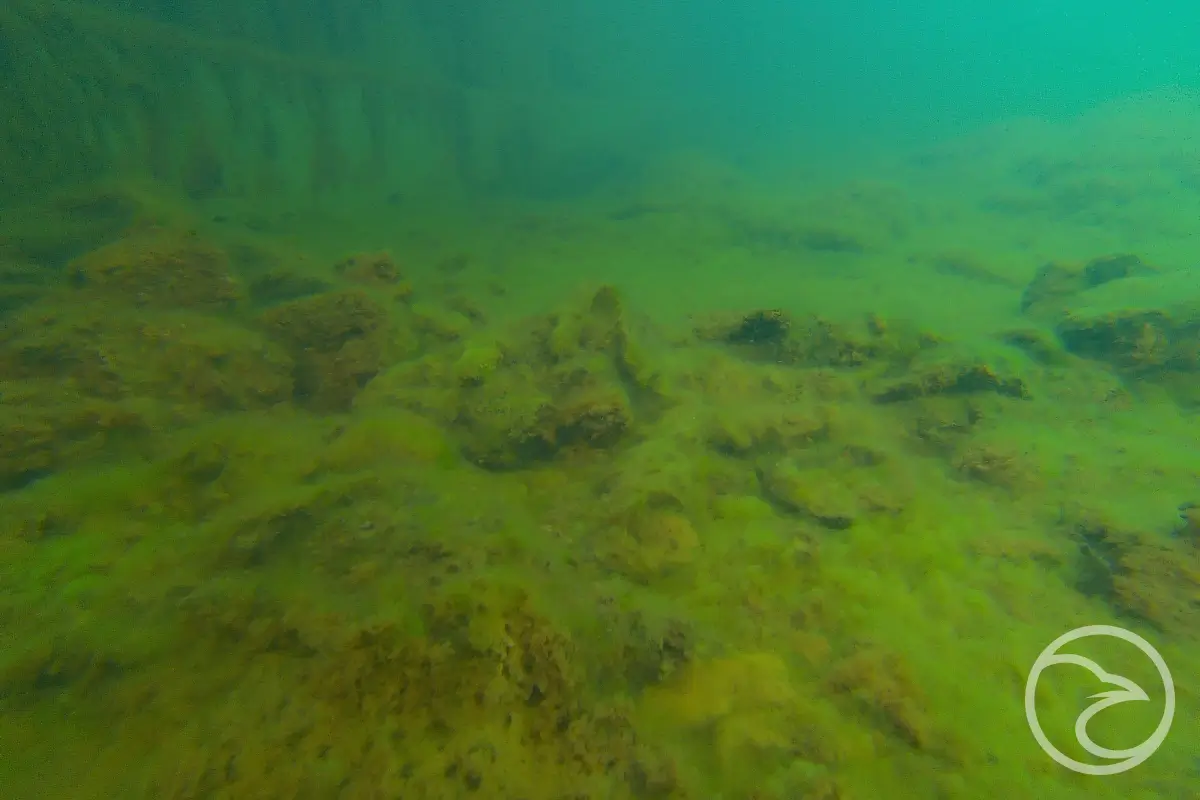
Remote methods are most useful when selected for a defined inspection purpose. Remote inspections can use robotic systems or traditional diver access. Compare both approaches in our ROV vs diver inspection guide.
The Tank Inspection Process
A tank inspection normally begins before an inspector examines the tank. Planning establishes what needs to be inspected and which information is required.
A typical process may include several stages.
1. Review Available Tank Information
Existing information can provide useful context before inspection begins. This may include tank drawings, previous reports, repair records, and earlier measurements.
2. Define the Inspection Scope
The inspection scope identifies the areas, components, and conditions requiring examination. It can also specify required measurements or testing methods.
3. Prepare for Access
Access requirements depend on the tank and inspection method. Site conditions can determine which areas can be safely examined.
4. Conduct the Inspection
Inspectors examine the selected components and record relevant observations. Measurements or testing can be completed where required.
5. Document findings
Inspection records should clearly identify where each significant observation was found. Photographs, measurements, and descriptions can support this process.
6. Assess the Information
Collected information can then be reviewed to determine whether further investigation is required. The findings can also support maintenance or engineering assessment.
7. Establish Future Actions
The inspection may identify monitoring needs, maintenance items, repairs, or additional testing. Future inspections can then compare new information with this baseline.
What Should a Tank Inspection Checklist Include?
A tank inspection checklist helps create a consistent examination process. The checklist should reflect the tank type and inspection objective.
A general checklist may cover:
- tank identification;
- shell condition;
- roof condition;
- floor condition;
- coating or lining condition;
- connections and nozzles;
- supports and anchors;
- access structures;
- foundation condition;
- corrosion;
- deformation;
- settlement;
- visible leakage;
- previous repair areas;
- inspection photographs;
- measurements;
- recommended follow-up actions.
A generic checklist should not replace a tank-specific inspection scope. Different tank designs can require different inspection priorities.
How often Should Tanks be Inspected?
There is no single inspection interval suitable for every storage tank. Inspection frequency can depend on several factors.
These include:
- tank design;
- tank material;
- stored contents;
- operating conditions;
- environmental exposure;
- age;
- corrosion history;
- previous findings;
- applicable requirements.
A tank with known deterioration may require different monitoring from a tank without comparable findings. Previous inspection data can therefore influence future inspection planning.
Relevant standards, engineering requirements, and site procedures may also specify inspection intervals.
Inspection of Different Storage Tank Types
The term storage tank covers many different structures. Inspection requirements can therefore vary considerably. Water tanks may have different deterioration mechanisms from industrial process tanks.
Steel tanks require different considerations from concrete structures. Above-ground and other tank configurations also present different access conditions.
The inspection plan should reflect these differences. A general tank inspection procedure cannot assume every tank has the same construction or operating environment.
This is another reason inspection scope should be defined before work begins.
Tank Inspection Reports
An inspection report creates a record of tank condition at a particular time. A useful report should clearly connect findings with their locations.
Depending on the inspection scope, a report may include:
- tank identification;
- inspection date;
- inspection scope;
- methods used;
- areas examined;
- photographs;
- measurements;
- identified deterioration;
- inaccessible areas;
- observations;
- recommended follow-up.
Clear reporting becomes particularly important during future inspections. Inspectors can compare previous findings with new observations.
This helps determine whether identified conditions remain stable or continue changing.
What Happens after a Tank Inspection?
Completing the physical inspection is not necessarily the end of the process. The findings need to be reviewed and understood. Minor observations may only require continued monitoring.
Other findings may require additional measurements, maintenance, repair, or engineering assessment. The appropriate response depends on the nature and significance of each finding.
Inspection results can also influence future inspection scope. For example, recurring corrosion may justify closer monitoring of a particular area.
Good inspection records therefore contribute to long-term tank condition management.
Tank Inspection and Preventive Maintenance
Tank inspection and maintenance serve different purposes. Inspection identifies and documents condition. Maintenance addresses deterioration or helps protect tank components.
The two processes work most effectively when inspection information guides maintenance decisions. For example, coating deterioration may indicate where protective maintenance should receive attention.
Settlement measurements may show whether movement requires continued monitoring. Corrosion data can identify locations that need further assessment.
This condition-based approach provides more useful information than relying only on visible problems.
Inspection findings can help identify required maintenance and repairs. Explore our water tank maintenance services for ongoing tank care.
Understanding Tank Condition Through Inspection
Tank inspection provides structured information about the condition of storage tanks and their components. It can identify corrosion, deformation, settlement, coating deterioration, leakage, and other changes.
Different inspection methods answer different questions. Visual inspection provides surface information. Measurements and testing can provide additional condition data.
The most useful inspection programs combine appropriate methods with consistent documentation. Previous records also provide valuable context for new findings.
Over time, this information creates a clearer understanding of tank condition. That understanding supports informed maintenance, further assessment, and long-term tank integrity management.