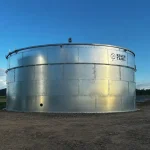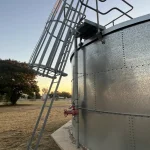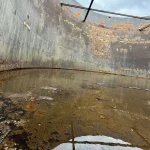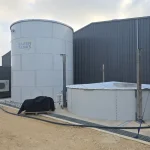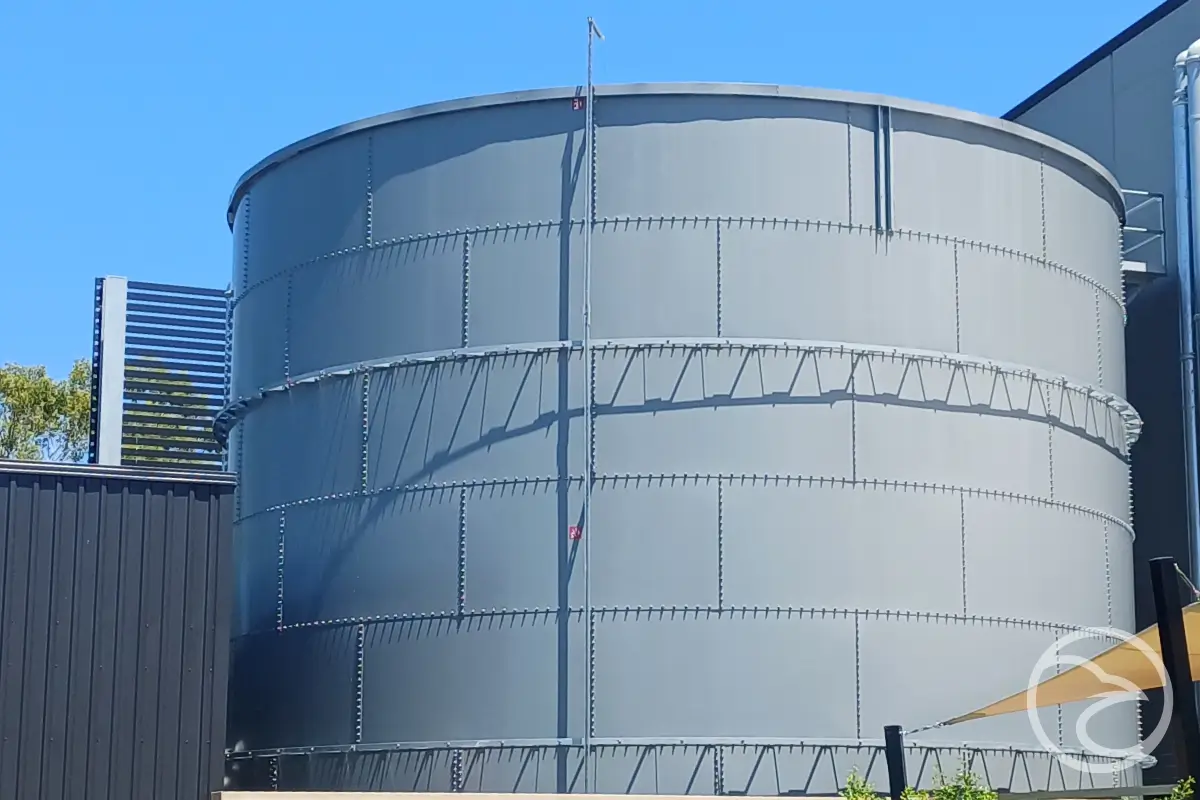
Water storage tanks play a critical role in commercial, industrial, and public infrastructure. They supply potable water, store fire protection reserves, support manufacturing processes, and help businesses maintain reliable operations. However, even well-designed tanks gradually accumulate sediment, debris, biofilm, and other contaminants that can affect water quality and system performance.
Professional water tank cleaning removes these contaminants before they become a larger problem. Rather than simply washing the inside of a tank, the service focuses on restoring hygienic conditions, protecting infrastructure, and supporting long-term maintenance.
Cleaning is also an important part of a preventive maintenance program. While inspections identify structural issues or signs of deterioration, cleaning removes the contamination that inspections often reveal. Together, these services help extend the lifespan of the tank and reduce the likelihood of unexpected repairs or operational disruptions.
Whether a facility stores drinking water, fire protection water, rainwater, or process water, regular cleaning helps maintain reliable performance and supports compliance with industry requirements. The cleaning method, frequency, and equipment used will depend on the tank’s size, construction, operating environment, and the level of contamination.
What is Water Tank Cleaning?
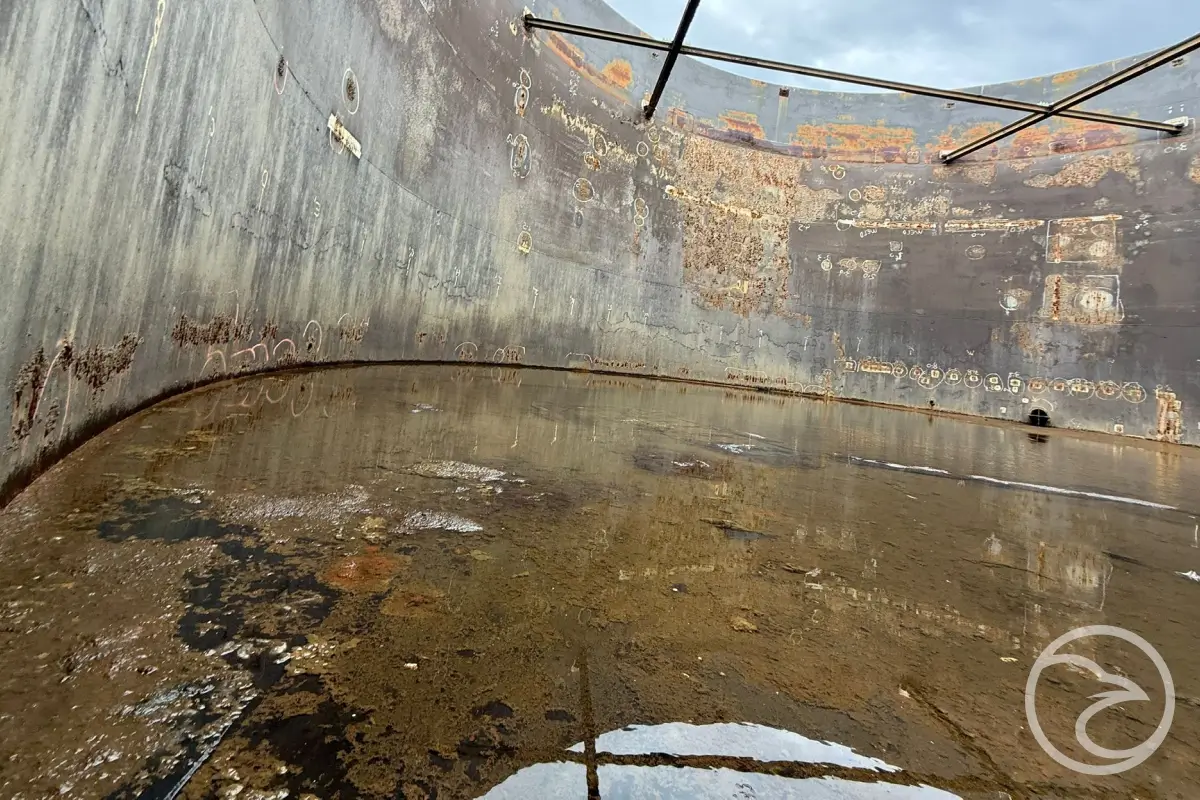
Water tank cleaning is the process of removing contaminants that accumulate inside a storage tank over time. These contaminants may include sediment, sludge, mineral deposits, algae, biofilm, corrosion particles, and other debris that settle on internal surfaces or collect on the tank floor.
Unlike a simple wash-down, professional cleaning follows a structured process designed to restore the internal condition of the tank while protecting the stored water and the tank itself. Depending on the condition of the asset, cleaning may involve manual techniques, high-pressure washing, specialised vacuum equipment, or remotely operated vehicles (ROVs) that allow cleaning with minimal operational disruption.
A typical commercial water tank cleaning service may include:
- removing sediment and sludge from the tank floor
- clearing leaves, insects, and other debris
- cleaning internal walls and structural components
- removing algae and biofilm
- flushing accumulated deposits
- disinfecting the tank when required
- performing a final condition check before the tank returns to service
Cleaning should not be confused with tank inspections. An inspection evaluates the structural condition of the asset and identifies developing issues such as corrosion, coating damage, or leaks. Cleaning focuses on removing contamination that may compromise water quality or reduce the efficiency of the storage system. Both services are complementary and form part of a comprehensive maintenance strategy.
Why Water Tanks Need Regular Cleaning
Many people assume that a sealed water tank remains clean indefinitely. In reality, every storage system gradually collects contaminants, even when the incoming water meets quality standards.
Some contamination enters through vents, access points, or overflow systems. Other materials naturally settle from the stored water itself. Over time, these substances accumulate on the bottom and walls of the tank, creating conditions that may affect water quality and accelerate wear.
Common contaminants found inside water storage tanks include:
- sediment from suspended particles
- sludge formed by accumulated organic material
- mineral deposits from hard water
- corrosion particles from ageing steel components
- algae growth where light and moisture are present
- biofilm on internal surfaces
- dust and airborne debris
- insects and small animals
- leaves and other organic matter
If left untreated, these contaminants may create several operational problems. Sediment reduces effective storage capacity by occupying valuable space inside the tank. Thick sludge can obstruct outlets, reduce flow efficiency, and make routine maintenance more difficult. Organic material may encourage biological growth that affects water hygiene, while corrosion products can contribute to ongoing deterioration of internal surfaces.
Regular cleaning helps prevent these issues before they become costly. Removing contamination early also makes future maintenance activities simpler and allows inspections to provide a clearer assessment of the tank’s structural condition.
Water Tank Cleaning as Part of Preventive Maintenance
Professional cleaning should not be viewed as a one-off service. Instead, it forms one component of a broader preventive maintenance program that keeps water storage systems operating safely and efficiently throughout their service life.
A comprehensive maintenance strategy may include:
- routine condition inspections
- scheduled tank cleaning
- corrosion monitoring
- coating maintenance
- liner inspections and repairs
- structural repairs
- disinfection after cleaning or repair work
- maintenance documentation and compliance records
Each activity addresses a different aspect of tank performance. Inspections identify developing problems, while cleaning removes contaminants that can affect water quality and contribute to deterioration. Repair work restores damaged components, and protective coatings or liners help reduce future corrosion.
When these services are combined within a planned maintenance schedule, facility owners can reduce emergency repairs, minimise downtime, and extend the useful life of their assets.
Cleaning also provides an opportunity to identify issues that might otherwise remain hidden beneath accumulated sediment or biofilm. Once the internal surfaces are clean, maintenance teams can more accurately assess coatings, welds, joints, and other critical components during future inspections.
For a step-by-step overview of routine maintenance tasks, explore our complete water tank maintenance checklist.
Types of Water Tank Cleaning
Not every water tank requires the same cleaning method. The appropriate approach depends on several factors, including the tank’s size, material, accessibility, contamination level, and whether it can be temporarily taken out of service.
Modern cleaning services use a combination of traditional techniques and advanced technology to achieve the best results while minimising disruption to normal operations.
Manual Water Tank Cleaning
Manual cleaning remains one of the most effective solutions for tanks that require comprehensive internal access. After the tank has been isolated and, where necessary, drained, trained technicians enter the confined space to remove accumulated contamination.
The process typically includes physical removal of sludge, pressure washing of internal surfaces, cleaning around structural components, and flushing remaining debris before the tank is disinfected if required.
Manual cleaning offers several advantages:
- thorough removal of heavy contamination
- direct access to difficult areas
- suitable for heavily contaminated tanks
- effective preparation before repairs or coating work
However, manual entry requires strict confined space procedures and may involve longer downtime than alternative cleaning methods.
ROV-Assisted Water Tank Cleaning
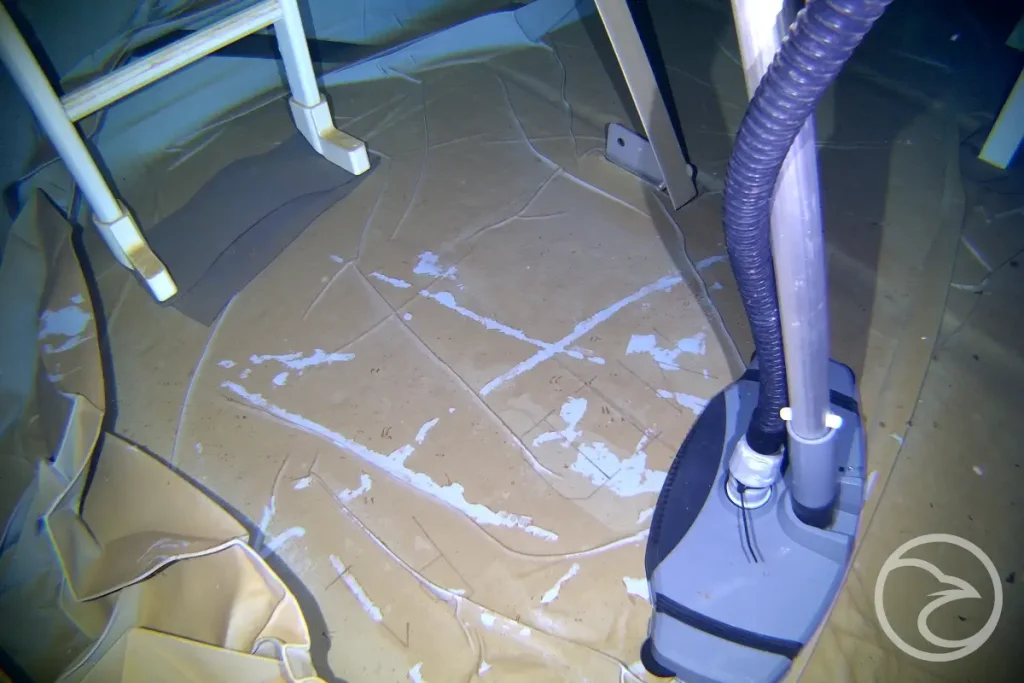
Advances in remote inspection technology have also changed the way water tanks are cleaned. For many large or difficult-to-access tanks, remotely operated vehicles (ROVs) can assist with sediment removal and cleaning while reducing the need for personnel to enter the tank.
An ROV is a compact underwater robot equipped with cameras, lighting, and specialised cleaning or suction equipment. Operators control the vehicle remotely, allowing them to clean sections of the tank while monitoring conditions in real time.
ROV-assisted cleaning offers several advantages for commercial and industrial facilities. Because personnel do not need to enter the tank during many cleaning activities, the process can reduce safety risks associated with confined spaces. It may also minimise operational downtime, particularly for tanks that cannot easily be taken offline.
This method is commonly used for:
- large potable water tanks
- fire water storage tanks
- municipal reservoirs
- industrial process water tanks
- tanks where draining is impractical or expensive
Although ROV technology is highly effective for many applications, it does not replace every cleaning method. Tanks with significant structural damage, extensive sludge accumulation, or repair requirements may still require manual access to complete the work safely and thoroughly.
Removing Sediment, Sludge, and Debris
One of the primary goals of professional water tank cleaning is removing the material that gradually settles at the bottom of the tank.
Sediment consists of fine particles carried into the tank through the incoming water supply or introduced from the surrounding environment. Over time, these particles settle naturally under gravity and form a layer across the tank floor.
As sediment continues to build, it combines with organic material to create sludge. This heavier accumulation may include dust, leaves, insects, corrosion products, algae, and other contaminants that have entered the storage system over many months or years.
Even relatively small amounts of accumulated sludge can create operational problems. Thick deposits reduce the effective storage capacity of the tank and may interfere with outlet pipes, pumps, or valves. They can also create conditions that encourage biological growth and make future maintenance more difficult.
Professional cleaning removes these deposits using equipment suited to the level of contamination. Depending on the tank, technicians may use:
- industrial vacuum systems
- suction equipment
- high-pressure water jets
- specialised pumps
- manual removal tools
- ROV-assisted sediment extraction
Removing sediment regularly helps restore storage capacity and reduces the likelihood of contamination affecting water quality or equipment performance.
Biofilm and Algae Removal
Not all contamination is immediately visible. One of the most persistent problems inside water storage tanks is the formation of biofilm.
Biofilm is a thin layer of microorganisms that attaches to internal surfaces. Once established, it can trap sediment and organic matter, making routine cleaning more difficult. Biofilm may also provide conditions that support continued microbial growth if left untreated.
Algae present a similar challenge. Although properly sealed tanks reduce exposure to sunlight, algae may still develop where light enters through damaged roofs, vents, inspection hatches, or poorly sealed access points.
Professional cleaning removes these biological contaminants before they spread across internal surfaces. Depending on the condition of the tank, technicians may use specialised cleaning equipment together with approved disinfection procedures to restore hygienic conditions.
Removing biofilm and algae provides several important benefits:
- improves water quality
- reduces biological contamination
- helps maintain hygienic storage conditions
- supports effective disinfection
- protects internal coatings from unnecessary deterioration
Routine cleaning also allows facility managers to identify and correct the underlying causes of biological growth, such as damaged covers or inadequate sealing.
High-Pressure Water Cleaning
High-pressure cleaning is widely used to remove stubborn deposits from internal tank surfaces.
After loose sediment has been removed, high-pressure water jets can break down mineral scale, corrosion products, biofilm, and other firmly attached contaminants. This method provides a thorough clean without introducing abrasive materials that could damage protective coatings when used correctly.
High-pressure cleaning is commonly performed on:
- steel tanks
- concrete reservoirs
- sectional panel tanks
- potable water tanks
- industrial storage tanks
The pressure selected depends on the construction of the tank and the condition of its internal surfaces. Experienced technicians adjust cleaning methods to remove contamination while avoiding unnecessary wear to coatings, liners, or structural components.
Water Tank Disinfection
Cleaning removes physical contamination, but it does not always eliminate microorganisms that may remain on internal surfaces. For this reason, disinfection is often performed after cleaning, particularly when tanks store potable water.
Disinfection involves applying approved disinfecting agents to reduce microbial contamination before the tank is returned to service. The exact procedure depends on the intended use of the water, local regulations, and the condition of the storage system.
Disinfection may be recommended:
- after scheduled cleaning
- following repair work
- after contamination events
- before returning potable water tanks to service
- when required by regulatory standards
It is important to understand that cleaning and disinfection perform different functions. Cleaning removes dirt, sediment, sludge, and other physical contaminants. Disinfection focuses on reducing microorganisms that cannot be removed through washing alone.
When performed together, these processes help maintain water quality while supporting safe operation of the storage system.
Which Water Tanks Require Regular Cleaning?
Virtually every water storage tank benefits from periodic cleaning, regardless of its size or construction material. The frequency may vary, but no tank remains free from contamination indefinitely.
Professional cleaning is commonly carried out on:
- potable water tanks
- fire water storage tanks
- rainwater harvesting tanks
- process water tanks
- sectional panel tanks
- concrete tanks
- steel tank
- underground reservoirs
- elevated water tanks
Each tank presents different maintenance requirements. For example, potable water tanks require strict attention to hygiene, while fire water tanks must maintain reliable storage capacity and system readiness. Industrial process water tanks often require cleaning to prevent sediment from affecting pumps, valves, or production equipment.
Cleaning methods are selected according to the tank’s size, accessibility, contamination level, and operational requirements.
Industries that Benefit from Professional Water Tank Cleaning
Many industries rely on stored water every day. Regular cleaning helps protect water quality, maintain reliable operations, and reduce maintenance costs across a wide range of facilities.
Commercial buildings use stored water for drinking, amenities, cooling systems, and fire protection. Regular cleaning helps maintain clean water supplies while reducing the risk of sediment affecting pumps and distribution systems.
Manufacturing facilities depend on reliable water storage for production processes, cooling equipment, and operational continuity. Accumulated contamination may reduce system efficiency and contribute to equipment wear if left unmanaged.
Food and beverage facilities often require high standards of hygiene throughout their water systems. Scheduled cleaning supports safe production environments and helps maintain consistent water quality.
Hospitals, aged care facilities, schools, and other public buildings rely on clean stored water to support occupants and essential services. Preventive maintenance helps ensure storage systems continue operating safely.
Mining operations, agricultural facilities, local councils, hotels, airports, and industrial plants also benefit from regular tank cleaning, particularly where large storage volumes or challenging environmental conditions increase the likelihood of contamination.
Across every sector, proactive cleaning is generally more cost-effective than responding to problems after contamination has already affected the storage system.
How Often Should Water Tanks be Cleaned?
There is no single cleaning schedule that suits every water storage tank. The ideal frequency depends on how the tank is used, the quality of the incoming water, environmental conditions, and the results of routine maintenance activities.
For example, a potable water tank supplying a commercial building may require a different maintenance schedule than a fire water tank or an industrial process water reservoir. Tanks exposed to dust, vegetation, or harsh environmental conditions are also more likely to accumulate sediment and organic matter over time.
Several factors influence how often a tank should be cleaned, including:
- the type of water being stored
- tank size and design
- surrounding environment
- water source
- level of sediment accumulation
- operational demands
- regulatory requirements
- recommendations following inspections
Rather than relying solely on a fixed timetable, many facility owners combine scheduled cleaning with routine condition assessments. Inspections can identify sediment build-up, biological growth, coating deterioration, or other issues that indicate cleaning should be performed sooner.
Taking a proactive approach helps prevent contamination from becoming severe enough to affect water quality, reduce storage capacity, or increase maintenance costs.
Signs Your Water Tank Needs Cleaning
Contamination usually develops gradually, making it easy to overlook until it begins affecting system performance. Recognising the early warning signs allows facility managers to schedule cleaning before larger problems develop.
Some of the most common indicators include:
- visible sediment on the tank floor
- sludge accumulation
- cloudy or discoloured water
- unpleasant odours
- algae growth
- biofilm on internal surfaces
- insects or organic debris inside the tank
- corrosion particles suspended in the water
- reduced water quality
- recommendations identified during routine inspections
Not every issue will be visible from outside the tank. In many cases, contamination is only discovered during internal inspections or remote camera surveys. This is one reason why cleaning and inspections are often planned together as part of a preventive maintenance program.
Ignoring these warning signs may allow contamination to continue building over time. Eventually, this can reduce operational efficiency, increase wear on pumps and valves, and create conditions that require more extensive cleaning or repair work.
Benefits of Professional Water Tank Cleaning
Regular cleaning provides benefits that extend well beyond improving the appearance of the inside of a tank. By removing contaminants before they cause long-term damage, facility owners can improve reliability, reduce operating costs, and protect valuable infrastructure.
Improved Water Quality
Removing sediment, sludge, algae, and biofilm helps maintain cleaner stored water. This is particularly important for potable water systems, where hygiene and water quality are essential.
Extended Tank Service Life
Sediment and organic material can trap moisture against internal surfaces and contribute to corrosion or coating deterioration. Routine cleaning removes these materials before they accelerate wear, helping extend the lifespan of the tank.
Lower Maintenance Costs
Preventive cleaning is generally less expensive than dealing with major contamination or structural deterioration. Removing deposits early can reduce the need for emergency repairs and minimise the likelihood of unplanned shutdowns.
Regular water tank cleaning is most effective when it forms part of a comprehensive water tank maintenance program that includes inspections, repairs, and preventive servicing.
Better System Performance
Clean tanks allow pumps, valves, and distribution systems to operate more efficiently. Removing accumulated debris also helps maintain the tank’s full storage capacity and supports reliable water flow.
Improved Inspection Outcomes
Internal inspections are more effective when tank surfaces are clean and free from heavy sediment or biological growth. A clean tank allows inspectors to identify coating defects, corrosion, cracks, or other developing issues more accurately.
Support for Compliance
Many industries operate under regulations or internal maintenance standards that require water storage systems to be kept in good condition. Regular cleaning helps demonstrate responsible asset management and supports compliance with these requirements.
How Much Does Water Tank Cleaning Cost?
The cost of professional water tank cleaning varies considerably because every storage system is different. Factors such as tank size, contamination level, accessibility, and cleaning method all influence the scope of work.
Some of the key factors affecting cost include:
- the size and capacity of the tank
- construction material
- access conditions
- amount of sediment or sludge present
- whether manual cleaning or ROV technology is required
- the need for confined space entry
- whether disinfection is included
- additional maintenance or repair work identified during cleaning
Large industrial tanks naturally require more time and equipment than smaller commercial tanks. Similarly, tanks with heavy contamination may require additional sediment removal, high-pressure cleaning, or specialised equipment before they can be returned to service.
Because no two tanks are identical, professional contractors typically assess each project individually before preparing a quotation. This approach ensures the cleaning method matches the condition of the asset while avoiding unnecessary work or costs.
When evaluating quotations, facility owners should consider more than price alone. Experience, specialised equipment, safety procedures, and the ability to minimise operational disruption can all influence the overall value of the service.
Why Choose Professional Water Tank Cleaning?
Although smaller domestic tanks may sometimes be cleaned by property owners, commercial and industrial water tanks require specialised knowledge, equipment, and safety procedures.
Professional cleaning providers understand the challenges associated with confined spaces, contaminated environments, and large-scale water storage systems. They also have access to equipment that allows contamination to be removed safely and efficiently without causing unnecessary damage to the tank.
Working with experienced specialists offers several advantages:
- trained confined space personnel
- specialised cleaning equipment
- ROV technology where appropriate
- safe sludge and waste removal
- effective disinfection procedures
- minimal operational disruption
- maintenance documentation
- integration with broader inspection and maintenance programs
Professional contractors can also identify issues that may require further attention, such as damaged coatings, corrosion, leaking joints, or structural deterioration. Addressing these problems early helps prevent more expensive repairs in the future.
For businesses that depend on reliable water storage, professional cleaning is an investment in asset performance rather than simply a maintenance expense.
Conclusion
Water tank cleaning is an essential part of maintaining safe, reliable, and efficient water storage systems. Over time, even well-maintained tanks accumulate sediment, sludge, debris, biofilm, and other contaminants that can affect water quality, reduce storage capacity, and contribute to long-term deterioration.
Regular cleaning removes these contaminants before they create larger operational problems. Whether performed manually or with advanced ROV technology, professional cleaning helps restore hygienic conditions while supporting the long-term performance of the tank.
When combined with routine inspections, preventive maintenance, and timely repairs, scheduled cleaning can extend asset life, reduce maintenance costs, and minimise unexpected downtime. It also provides facility owners with greater confidence that their water storage systems will continue operating safely and efficiently when they are needed most.
From commercial buildings and manufacturing plants to hospitals, councils, agricultural facilities, and fire protection systems, every organisation that relies on stored water can benefit from a proactive approach to tank maintenance. Investing in professional water tank cleaning today helps protect water quality, preserve valuable infrastructure, and reduce the risk of costly problems in the future.