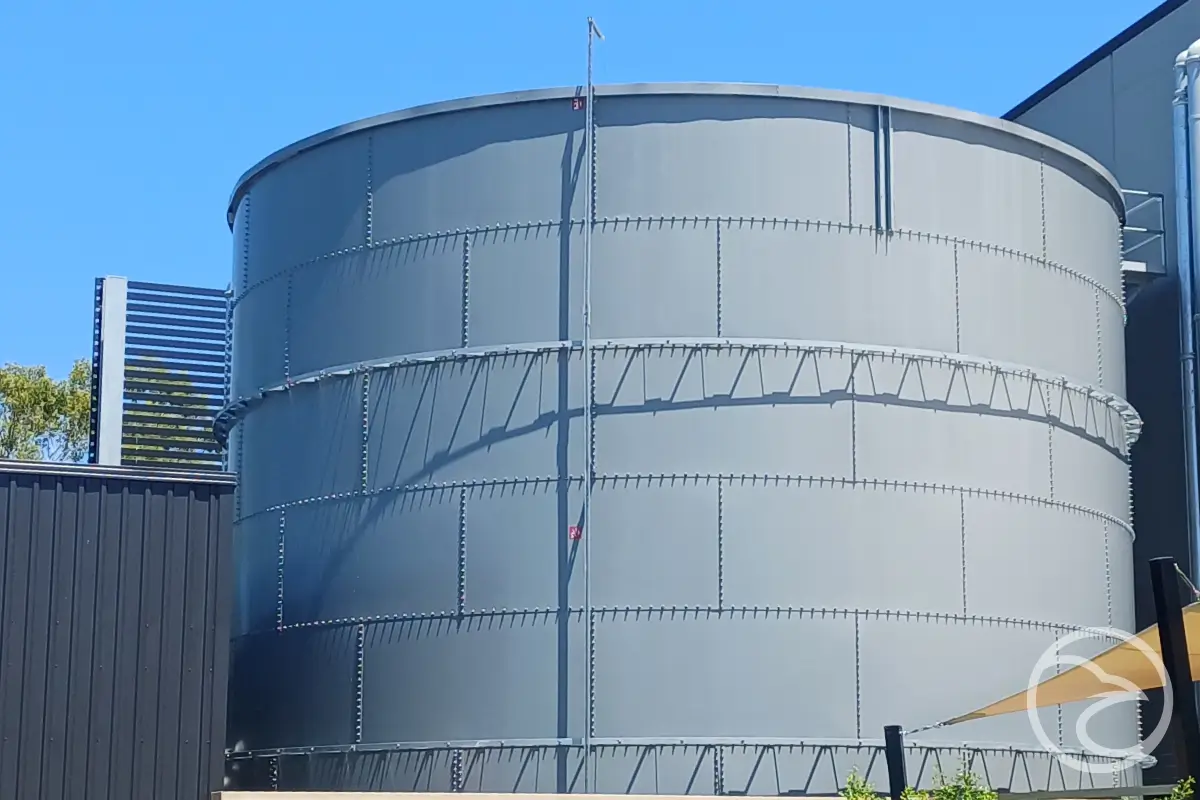

Tank roof structures play a critical role in the overall performance, safety, and durability of industrial tank systems. While often perceived as a secondary component, the roof directly affects environmental protection, structural integrity, and long-term operational reliability. Understanding how industrial tank roof structures are designed helps facility owners and engineers make informed decisions throughout the tank’s lifecycle.
What are Tank Roof Structures in Industrial Tanks?
Tank roof structures are engineered components that enclose the top of an industrial tank, protecting stored contents from external conditions while contributing to structural stability. In industrial applications, roofs must withstand environmental loads, operational stresses, and long-term exposure to moisture or corrosive elements.
Unlike residential or small-scale tanks, industrial tanks often require roof structures that align with specific operational demands, such as large surface areas, controlled access points, and integration with safety systems. As a result, roof design is typically approached as part of the broader tank engineering process rather than as an isolated element.
Common Types of Industrial Tank Roof Structures
Several roof configurations are commonly used in industrial tanks, each selected based on application, storage medium, and site conditions.
Fixed roofs are widely used for tanks storing non-volatile materials. These roofs are permanently attached and designed to provide consistent protection from weather exposure.
Domed or curved roofs are often chosen for larger tanks, as their shape helps distribute loads more evenly. This design can improve structural efficiency, particularly in regions exposed to high wind or rainfall.
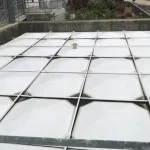
Lightweight panel roofs are sometimes used where modular construction or reduced structural weight is a priority. These systems are typically engineered to balance strength with ease of integration into existing tank frameworks.
Structural Loads and Environmental Factors
One of the most important considerations in tank roof design is load management. Roof structures must be engineered to handle a range of forces, including wind pressure, rainfall accumulation, and operational loads associated with maintenance activities.
Environmental exposure also influences material selection and structural detailing. In coastal or industrial environments, roofs may be subjected to increased corrosion risk, requiring protective coatings or corrosion-resistant materials. Temperature fluctuations can also cause expansion and contraction, which must be accounted for during the design phase.
Ignoring these factors can lead to premature wear or reduced performance over time, highlighting the importance of a design approach that reflects site-specific conditions.
Access and Safety Considerations for Tank Roofs
Industrial tank roofs often incorporate access features to support inspection, monitoring, and routine maintenance. These access points must be carefully integrated into the roof structure to avoid compromising strength or watertight performance.
From a safety perspective, roof design should minimize unnecessary exposure for personnel while supporting controlled access when required. This may include load-rated walkways, secure entry points, or provisions for remote monitoring equipment.
Designing access features as part of the roof structure, rather than as afterthoughts, helps maintain compliance with safety expectations while preserving the integrity of the tank system.
Materials Used in Industrial Tank Roof Structures
Material selection is a key factor in roof performance and longevity. Steel is commonly used due to its strength and structural reliability, particularly in large industrial tanks. However, steel roofs may require protective treatments to manage corrosion over time.
Aluminum is sometimes selected for its lighter weight and natural corrosion resistance, especially in applications where reducing structural load is beneficial. Composite and panel-based materials may also be used in specific scenarios where modularity or chemical resistance is required.
The choice of material depends not only on environmental exposure but also on how the roof interacts with the rest of the tank structure.

Integration with Tank System Engineering
Tank roof structures are rarely designed in isolation. Instead, they are evaluated as part of a complete tank system, where roof performance directly influences overall functionality and service life.
In many facilities, roof structures are assessed during broader tank system reviews to ensure compatibility with operational requirements and long-term planning. In this context, roof design considerations are often aligned with professional tank system maintenance and upgrade programs, where structural performance and access planning are evaluated together.
For many facilities, tank roof structures are considered within broader tank maintenance frameworks that address structural performance over time.
Long-Term Performance and Design Planning
Effective roof design contributes to reduced maintenance demands and improved operational reliability. By addressing structural loads, environmental exposure, access needs, and material behavior during the design stage, tank roof structures for industrial tanks can deliver consistent performance over extended service periods.
As industrial storage requirements evolve, roof structures continue to play an essential role in ensuring tanks remain functional, safe, and adaptable to changing operational conditions.