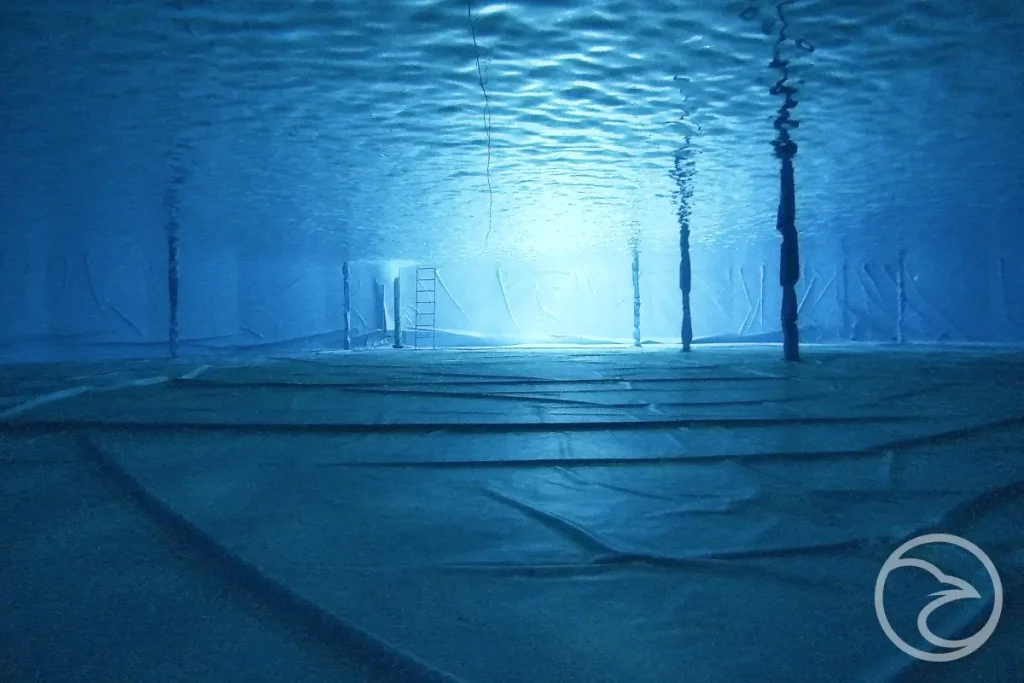
ROV tank inspections provide a safe and efficient way to assess internal tank conditions underwater.
Raven Tanks uses remotely operated vehicles to inspect tanks without draining them. Our ROV tank inspection captures detailed underwater footage of internal surfaces and components. Tanks can remain operational during the inspection, reducing downtime and disruption.
The service supports informed decisions about tank condition, maintenance and further investigation.

ROV water tank inspections allow internal conditions to be assessed while the tank remains filled and operational.
Key benefits include:
This approach makes tank inspections more efficient while providing reliable visual data for ongoing maintenance and asset management.
ROV technology allows detailed underwater inspection of key internal tank areas that may be difficult to access manually.
The ROV can inspect the tank floor for visible deterioration, sediment, debris and other condition concerns.
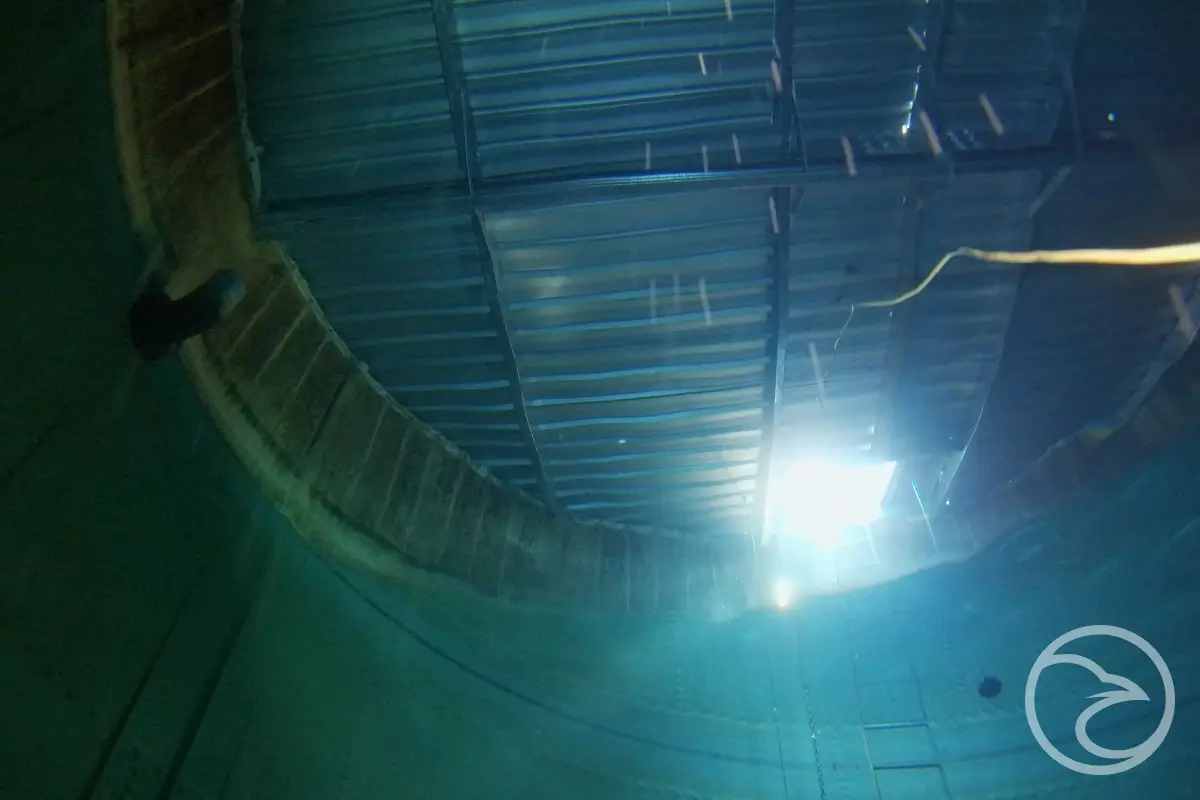
Underwater cameras provide close visual assessment of tank walls, coatings, joints and visible surface conditions.
ROVs can examine accessible roof areas, supports and submerged structural components for visible signs of deterioration.
The inspection can cover accessible pipework, valves, fittings and other internal components below the waterline.
ROV footage can document joints, connections and interfaces where visible deterioration or damage may develop.
Raven Tanks provides detailed reporting after every underwater ROV tank inspection.
Our inspection reports can include:
Our team provides clear inspection records to support effective water tank maintenance and long-term asset management.
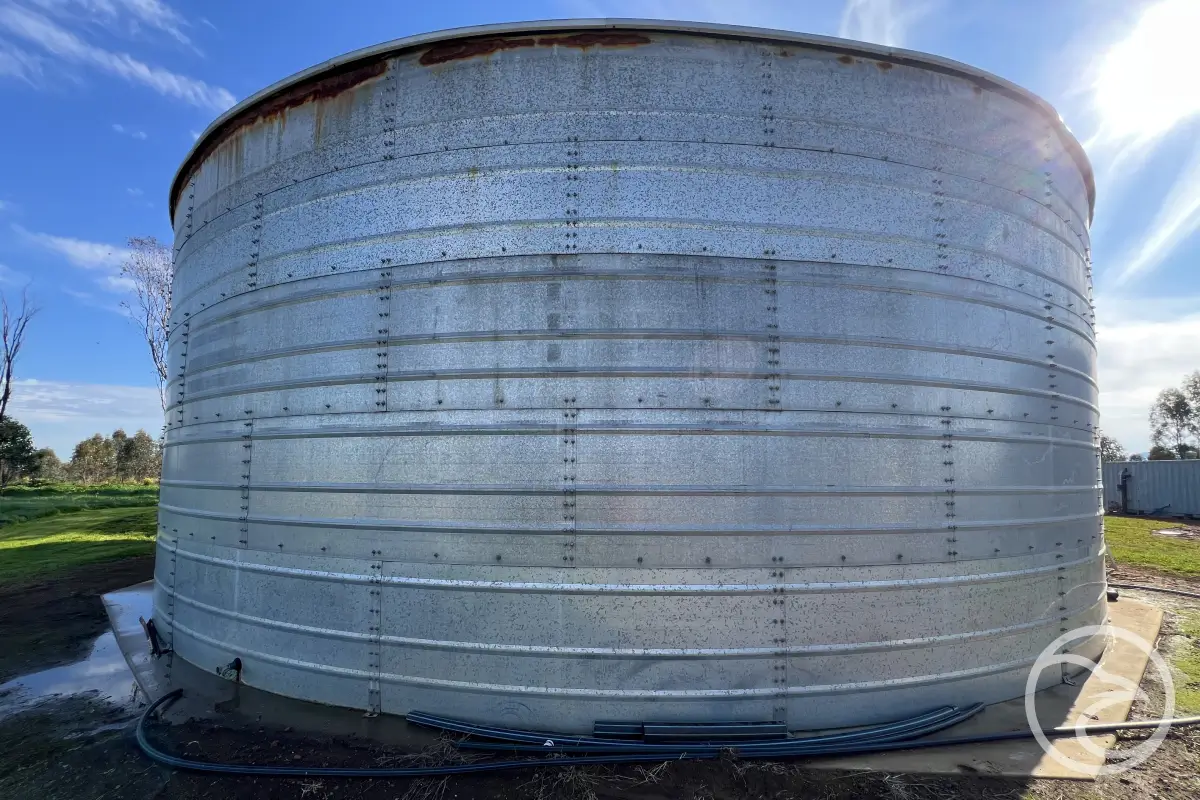
Raven Tanks provides underwater ROV inspections for various water storage tanks across commercial, industrial and essential service facilities.
We inspect submerged surfaces and internal components while fire water tanks remain filled and operational.
Our ROV inspections assess internal areas without requiring complete drainage of potable water storage tanks.
We inspect commercial water tanks to document internal conditions and identify areas requiring further attention.
Our team uses ROV technology to inspect internal surfaces and components within industrial water storage tanks.
Our team uses ROV technology to inspect submerged surfaces and components within process water tanks.
Raven Tanks delivers reliable solutions backed by industry experience, practical expertise, and professional project support.
From initial consultation to project delivery, Raven Tanks provides dependable support at every stage.
Raven Tanks follows a structured inspection process to assess internal tank conditions safely and efficiently.
Our team reviews the tank, site conditions and inspection requirements before preparing the ROV equipment.
We deploy the ROV into the filled tank without requiring drainage or diver entry.
The ROV examines internal surfaces, components and difficult-to-access areas while recording detailed underwater footage.
Our team reviews the footage and provides documented findings with recommendations for maintenance or further assessment.
Raven Tanks recommends ROV inspections when clients need reliable internal condition data without draining or taking tanks offline.
We recommend an ROV inspection:
Our team can help determine the right inspection approach for your tank. Learn more in our how does ROV inspection work guide.
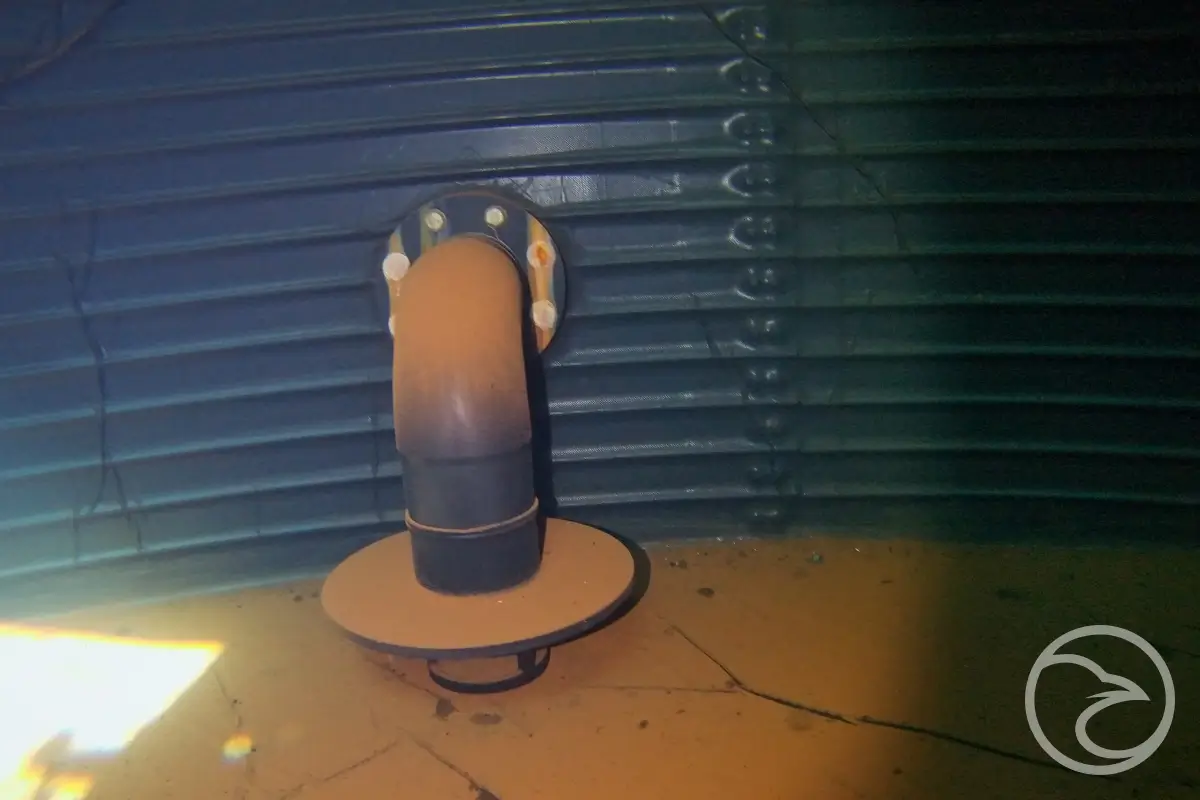
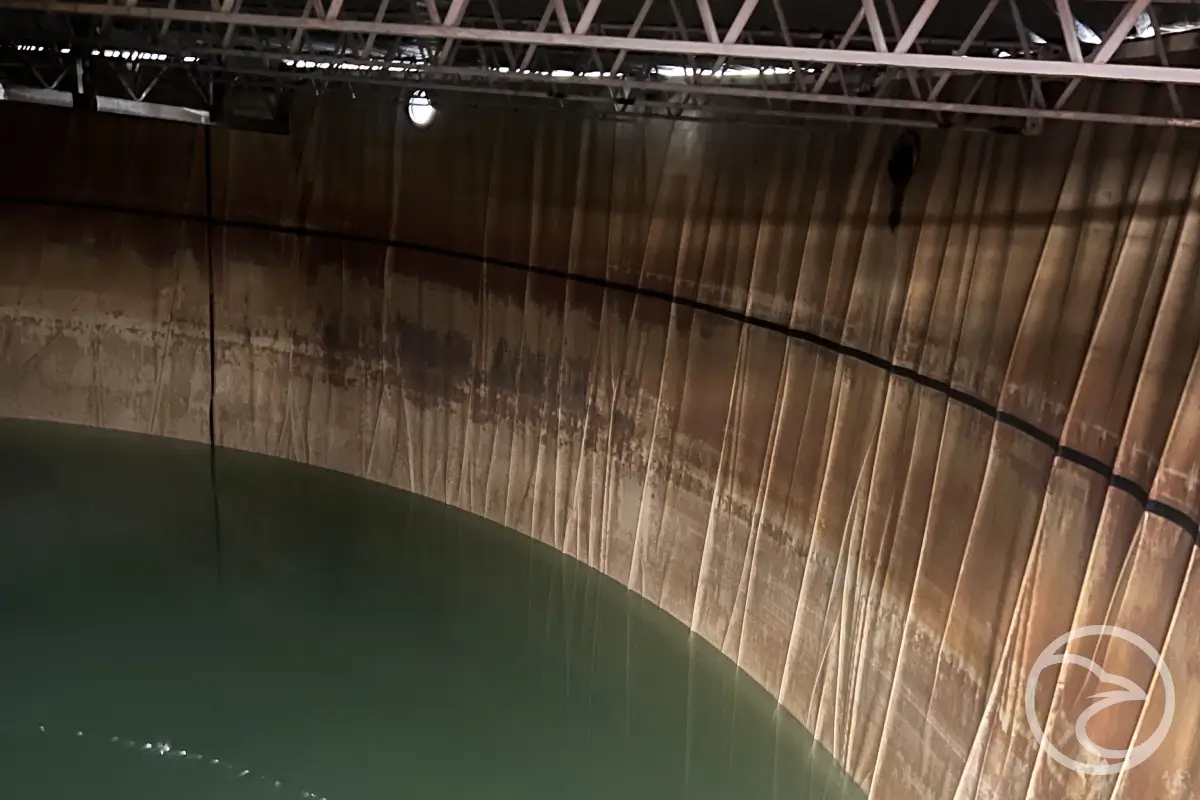
Raven Tanks provides additional inspection and access services to support tank safety, condition assessment and ongoing maintenance.
Regular fire tank inspections help identify deterioration, internal defects and maintenance requirements affecting tank condition.
A potable water tank condition assessment provides detailed information about internal surfaces, components and overall tank condition.
Our confined space services provide controlled access for inspection and maintenance work in restricted tank environments.
Contact Raven Tanks to arrange a professional ROV tank inspection tailored to your tank and site requirements. Our team will help determine the right inspection approach for your facility.
We know our clients often have important questions before starting a project. Here are clear answers to help you make informed decisions with confidence.
Yes. ROV technology allows Raven Tanks to inspect submerged internal areas while the tank remains filled.
An ROV can inspect tank floors, walls, structural components, pipework, fittings, joints and other accessible submerged areas.
Our inspections can identify visible corrosion, coating deterioration, sediment, debris, damage and other areas requiring further assessment.
No. The remotely operated vehicle performs the underwater visual inspection without requiring a diver to enter the tank.
Inspection frequency depends on tank type, condition, operational requirements and applicable maintenance or inspection programs.