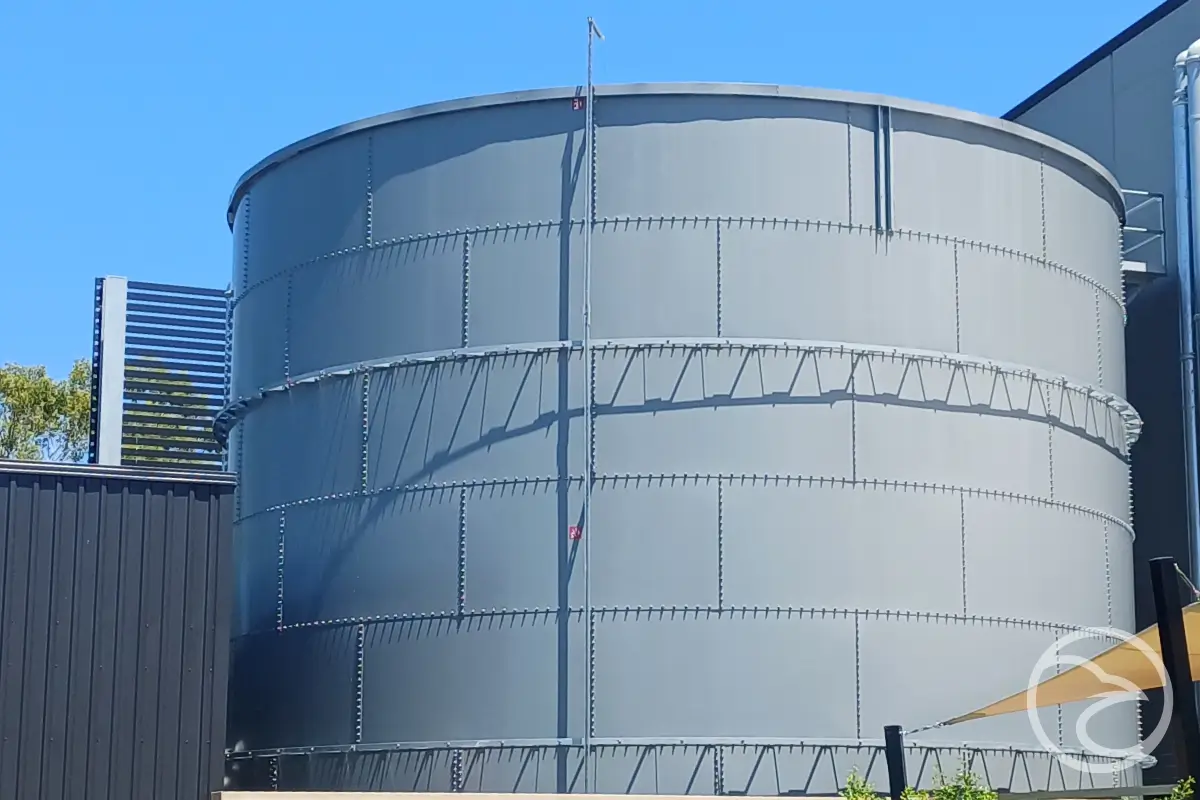

Water tanks require regular servicing to remain safe and efficient. However, many systems are maintained too late or too rarely.
Understanding the correct maintenance frequency helps prevent damage. It also improves water quality and extends tank lifespan.
This guide explains how often a water tank should be serviced and why it matters.
Why Maintenance Frequency Matters
Water tanks are exposed to sediment, bacteria, and environmental factors. Without regular servicing, these issues build up over time.
Infrequent maintenance leads to:
- contamination
- reduced efficiency
- structural damage
A proper schedule ensures consistent performance. It also reduces the risk of unexpected failure.
General Water Tank Maintenance Schedule
There is no single schedule for every system. However, general guidelines provide a reliable starting point. Most water tanks should be inspected and cleaned at least once per year.
This annual servicing helps maintain water quality. It also prevents sediment and bacterial buildup.
In some cases, more frequent maintenance is required.
Monthly Water Tank Checks
Monthly checks focus on visible and operational issues. They help detect problems early.
Key tasks include:
- checking for leaks
- inspecting external surfaces
- monitoring water levels
These inspections take little time but provide early warning signs. They are essential for preventing major issues.
Quarterly Maintenance
Quarterly servicing involves more detailed inspection. It focuses on system performance and internal components.
Typical tasks include:
- inspecting valves and fittings
- checking for sediment buildup
- testing system functionality
Regular quarterly checks reduce long-term risks. They also improve system reliability.
Annual Water Tank Servicing
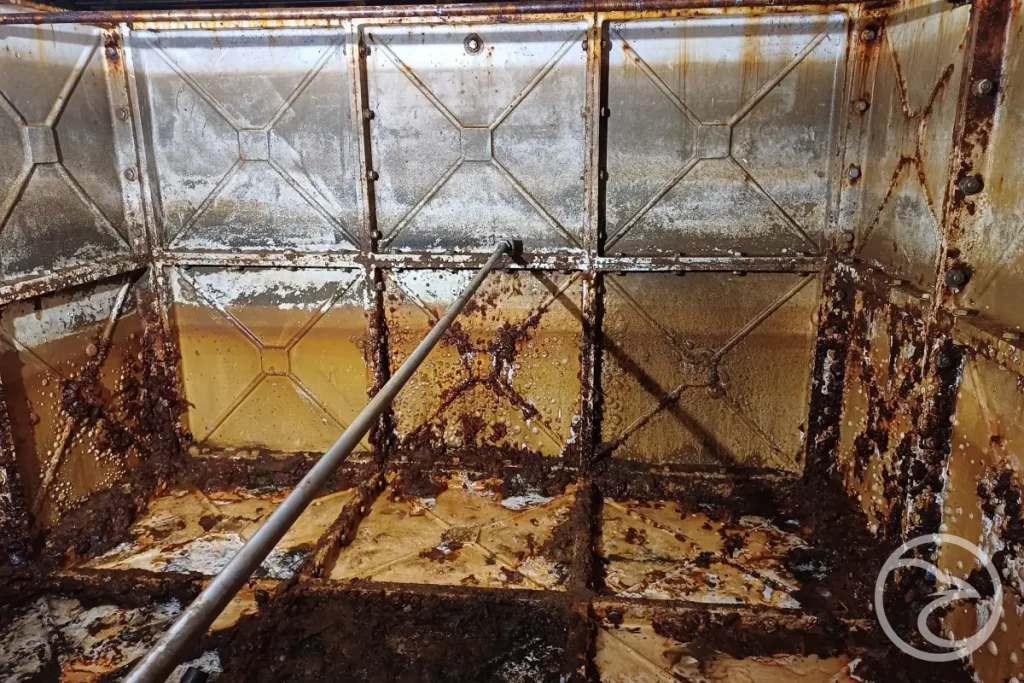
Annual servicing is the most important maintenance stage. It includes cleaning, inspection, and component testing. Most experts recommend cleaning water tanks at least once a year.
This process removes:
- sediment
- algae
- contaminants
It also allows for a full structural inspection. Any damage can be identified and repaired early.
When More Frequent Servicing is Required
Some tanks require more frequent maintenance than others. This depends on usage, environment, and water source.
For example:
High-Use or Commercial Tanks
Commercial systems often require servicing every 3 to 6 months. Higher demand increases wear and contamination risk. Frequent checks help maintain performance.
Tanks with Poor Water Quality
If water contains high levels of sediment or organic matter,
cleaning may be needed more often. In these cases, servicing every 6 months is recommended.
Outdoor and Exposed Tanks
Tanks exposed to sunlight and weather degrade faster. They are also more prone to algae growth.
These systems benefit from more frequent inspection. Additional cleaning may also be required.
Signs Your Tank Needs Immediate Servicing
Even with a schedule, unexpected issues can occur. Certain warning signs require immediate attention.
These include:
- visible rust or corrosion
- leaks or moisture
- changes in water quality
- unusual system behaviour
If any of these appear, do not wait for scheduled maintenance. You can review signs your water tank needs maintenance for more details.
How to Maintain a Consistent Schedule
Consistency is key to effective maintenance. A structured plan ensures tasks are not missed.
Use a documented checklist to track inspections. A water tank maintenance checklist helps organise routine tasks.
Regular scheduling reduces the risk of human error. It also improves long-term system performance.
When to Use Professional Services
Some maintenance tasks require specialised tools and expertise. Professional servicing ensures proper inspection and cleaning.
This is especially important for:
- large systems
- industrial tanks
- compliance requirements
For reliable servicing, consider water tank maintenance services.
Final Thoughts
Water tank servicing should never be irregular or reactive. A structured schedule is essential for long-term performance. Most systems require at least annual servicing. However, many need more frequent attention depending on conditions.
Regular maintenance prevents costly failures. It also ensures safe and efficient water storage.
Following a clear schedule is the best way to protect your system. It keeps your tank reliable for years to come.