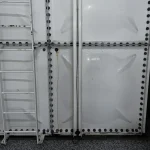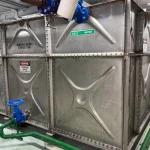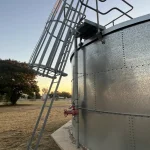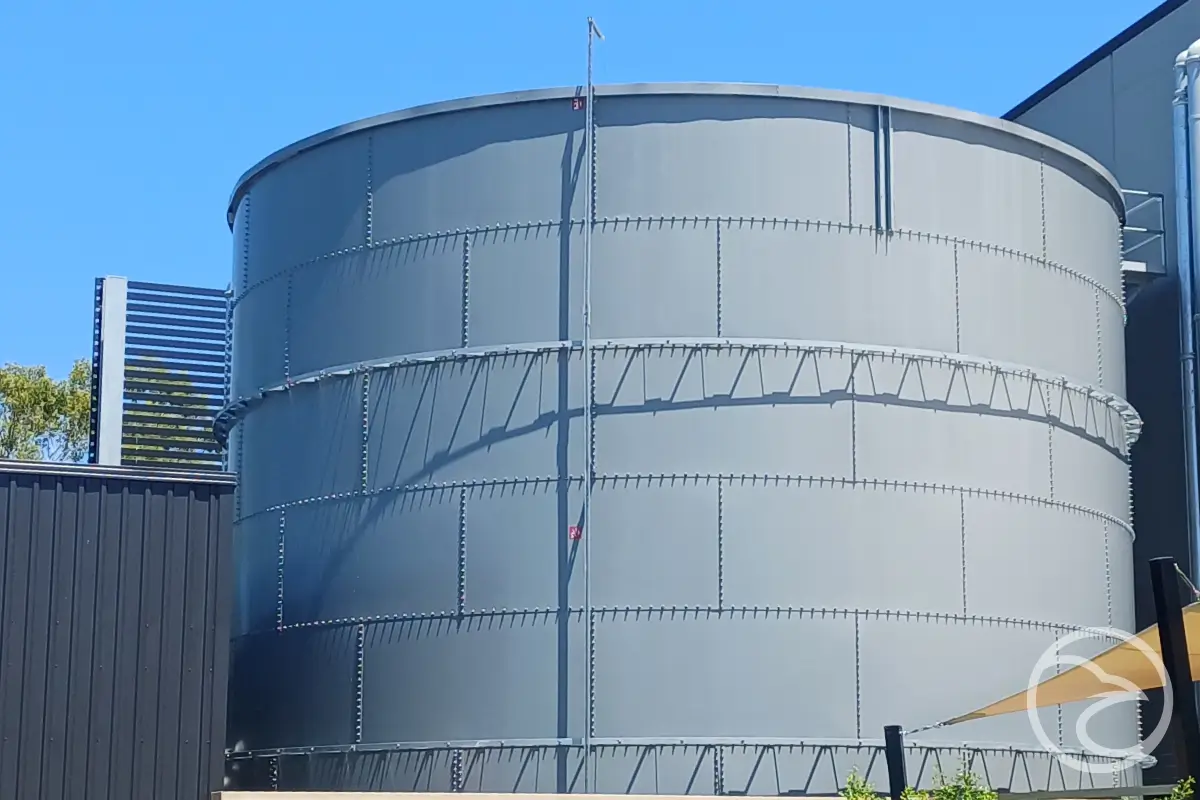
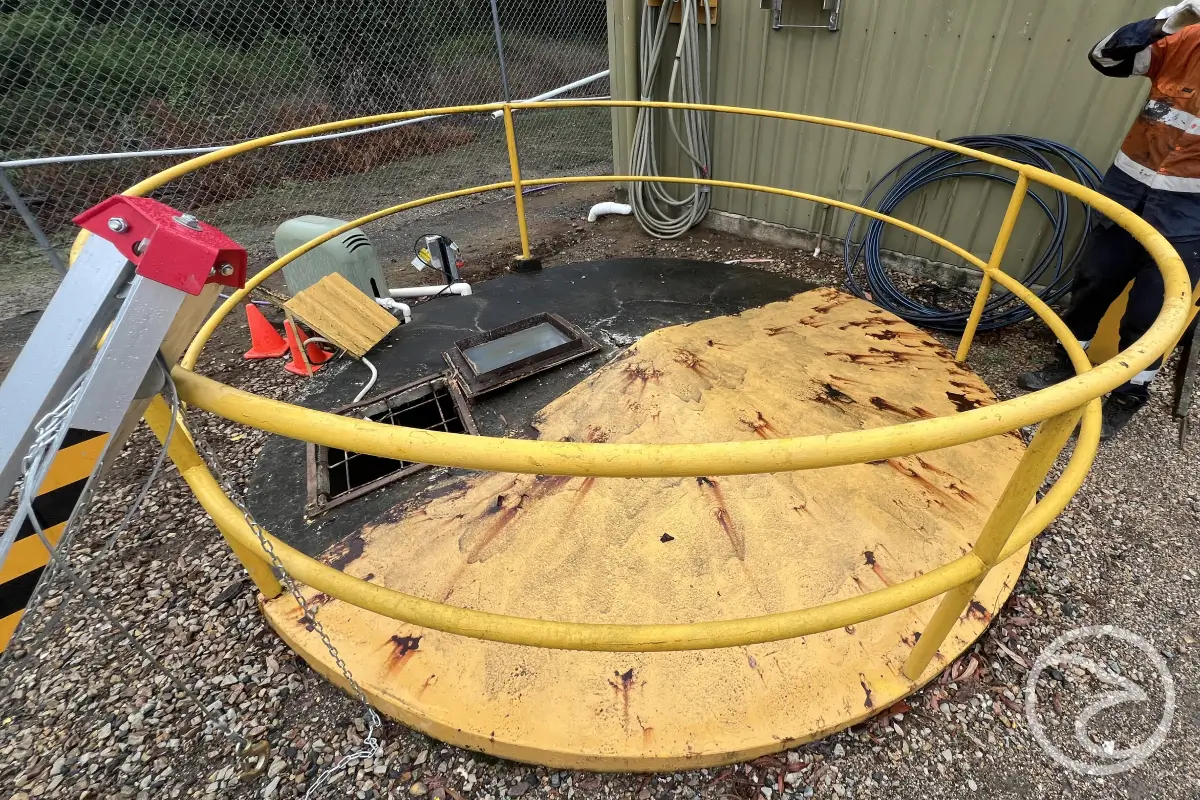
Confined spaces are common across many industrial facilities. Tanks, silos, pits, pipelines, and underground chambers often qualify as confined spaces.
These environments can create serious safety risks for workers. Many hazards remain hidden until entry begins.
Understanding common confined space hazards helps facilities improve workplace safety and reduce operational risks.
Industrial sites often combine training, monitoring, ventilation, and confined space solutions to create safer working conditions.
What Makes a Space Confined
A confined space is not designed for continuous occupancy. It also has limited entry and exit points.
Some confined spaces are large enough for workers to enter. Others contain hazardous atmospheric or physical conditions.
Common examples include:
- storage tanks
- underground vaults
- process vessels
- pipelines
- sewers
- and utility pits
Industrial confined spaces often require additional safety procedures before workers can enter safely.
Atmospheric Hazards
Atmospheric hazards are among the most dangerous confined space risks. Poor air quality can quickly become life-threatening.
Hazardous atmospheres may contain:
- toxic gases
- oxygen-deficient air
- combustible vapors
- or airborne contaminants
These conditions are not always visible. Workers may not recognize the danger immediately.
Oxygen Deficiency
Low oxygen levels create serious health risks. Oxygen deficiency may develop inside tanks, pipelines, or enclosed chambers.
Workers exposed to low oxygen levels can experience:
- dizziness
- confusion
- fatigue
- unconsciousness
- or respiratory failure
Industrial sites often use gas monitoring systems before confined space entry begins.
Toxic Gas Exposure
Confined spaces may contain dangerous gases from chemicals, waste materials, or industrial processes.
Common hazardous gases include:
- hydrogen sulfide
- carbon monoxide
- methane
- and chemical vapors
Proper ventilation and monitoring help reduce exposure risks during confined space activities.
Fire and Explosion Risks
Some confined spaces contain flammable gases or combustible dust. A single ignition source can trigger fires or explosions.
These risks increase when facilities store:
- fuels
- chemicals
- solvents
- or combustible materials
Industrial sites often reduce these hazards through ventilation systems and strict equipment controls.
Many organizations also use specialized confined space inspection preparation procedures before inspections or maintenance work begins.

Restricted Access and Movement
Limited entry points create additional challenges inside confined spaces. Workers may struggle to move equipment or exit quickly during emergencies.
Restricted access can:
- delay rescue operations
- increase injury risks
- reduce visibility
- and complicate communication
Narrow spaces also make inspections and maintenance activities more difficult.
Poor Visibility
Many confined spaces have little natural lighting. Dust, moisture, and residue can further reduce visibility.
Poor lighting increases the risk of:
- slips
- trips
- falls
- and equipment accidents
Industrial facilities often install temporary lighting systems before workers enter confined spaces.
Engulfment Hazards
Some confined spaces contain loose materials or liquids that can trap workers.
Examples include:
- grain storage areas
- sludge tanks
- sand hoppers
- and wastewater systems
Workers may become engulfed suddenly if materials shift during entry or maintenance activities. Facilities often isolate equipment and remove materials before confined space work begins.
Structural Hazards
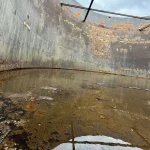
Industrial confined spaces can develop structural problems over time. Corrosion, rust, and moisture exposure may weaken internal surfaces.
Structural hazards may include:
- unstable flooring
- weakened tank walls
- falling debris
- or damaged ladders
Regular inspections help facilities identify these issues earlier.
Many organizations schedule routine confined space tank inspection activities to evaluate structural conditions and improve workplace safety.
Why Industrial Sites Face Higher Risks
Industrial environments often involve hazardous materials and complex equipment systems. These conditions increase confined space risks.
Facilities may also operate:
- high-pressure systems
- chemical storage tanks
- underground infrastructure
- or processing equipment
Older industrial sites may face additional challenges due to aging infrastructure and corrosion. Confined space work also becomes more dangerous during maintenance shutdowns and emergency repairs.
How Industrial Sites Reduce Confined Space Risks
Industrial facilities use several strategies to improve confined space safety. Most sites rely on multiple safety systems together.
Ventilation Systems
Ventilation improves air quality inside confined spaces. It also helps reduce gas accumulation.
Facilities may use:
- portable fans
- extraction systems
- ducted airflow
- or mechanical ventilation equipment
Ventilation is especially important in chemical and fuel storage areas.
Gas Monitoring
Gas detection equipment helps identify hazardous atmospheric conditions before entry begins.
Monitoring systems often measure:
- oxygen levels
- combustible gases
- toxic vapors
- and airborne contaminants
Continuous monitoring improves worker safety during confined space operations.
Entry Permit Systems
Permit systems help facilities confirm that safety procedures are complete before entry begins.
Entry permits may include:
- hazard assessments
- atmospheric testing results
- communication procedures
- rescue plans
- and authorized worker lists
Permit systems improve organization and reduce operational risks.
Worker Training
Training helps workers recognize confined space hazards before entering dangerous environments.
Training programs often cover:
- hazard identification
- emergency procedures
- equipment use
- atmospheric testing
- and rescue protocols
Well-trained teams often respond more effectively during emergencies.
Rescue Planning
Emergency planning is essential during confined space work. Rescue teams should remain prepared before entry begins.
Rescue preparation may involve:
- retrieval systems
- standby personnel
- communication equipment
- and evacuation procedures
Clear rescue plans can reduce response times during emergencies.
The Importance of Ongoing Inspections
Regular inspections help facilities identify hazards before conditions worsen. Inspections also support long-term maintenance planning.
Inspection programs may identify:
- corrosion
- structural deterioration
- damaged coatings
- ventilation problems
- or equipment failures
Facilities that prioritize inspections often improve both operational safety and asset reliability.
Supporting Safer Industrial Operations
Confined spaces remain one of the most hazardous industrial work environments. Hidden risks can develop quickly without proper safety procedures.
Industrial facilities often reduce these risks through:
- ventilation
- monitoring
- inspections
- worker training
- and emergency planning
Understanding common confined space hazards remains an important part of safer industrial operations.