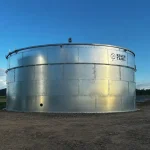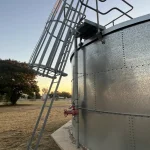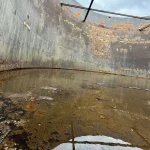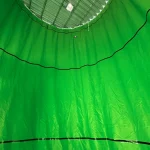
ROV inspection is a modern method used to inspect submerged assets without draining or shutdown. It relies on remotely operated vehicles to capture visual data in real time.
This method is widely used across water infrastructure and industrial environments. It allows inspections to be completed safely and efficiently.
What is ROV Inspection?
ROV stands for remotely operated vehicle. It is a small robotic system designed for underwater inspection.
The vehicle is equipped with cameras, lights, and control systems. Operators guide it from outside the structure.
This removes the need for manual entry into confined or submerged environments. It also reduces safety risks and operational disruption.
How the ROV Inspection Process Works
The ROV inspection process is simple and structured. First, the inspection scope is defined based on the asset and objectives. This ensures all critical areas are covered.
Next, the ROV system is deployed into the asset. This can include tanks, pipelines, or other submerged environments.
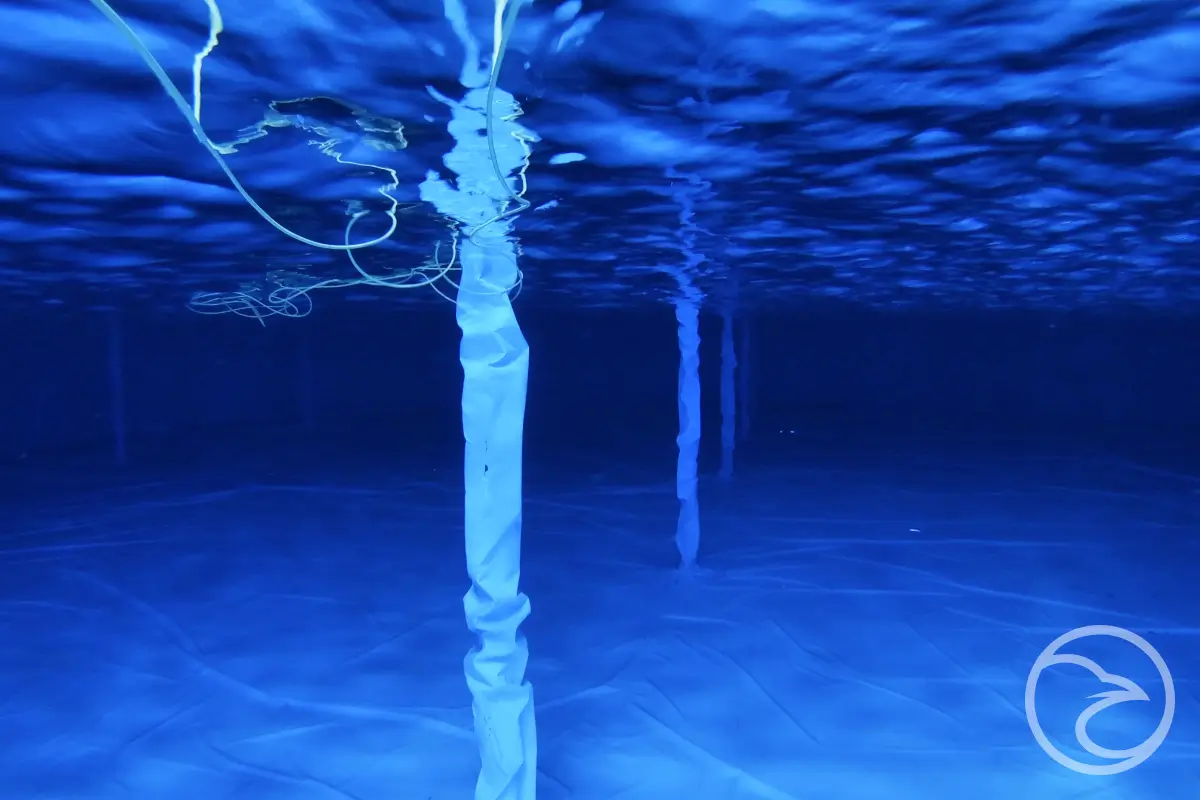
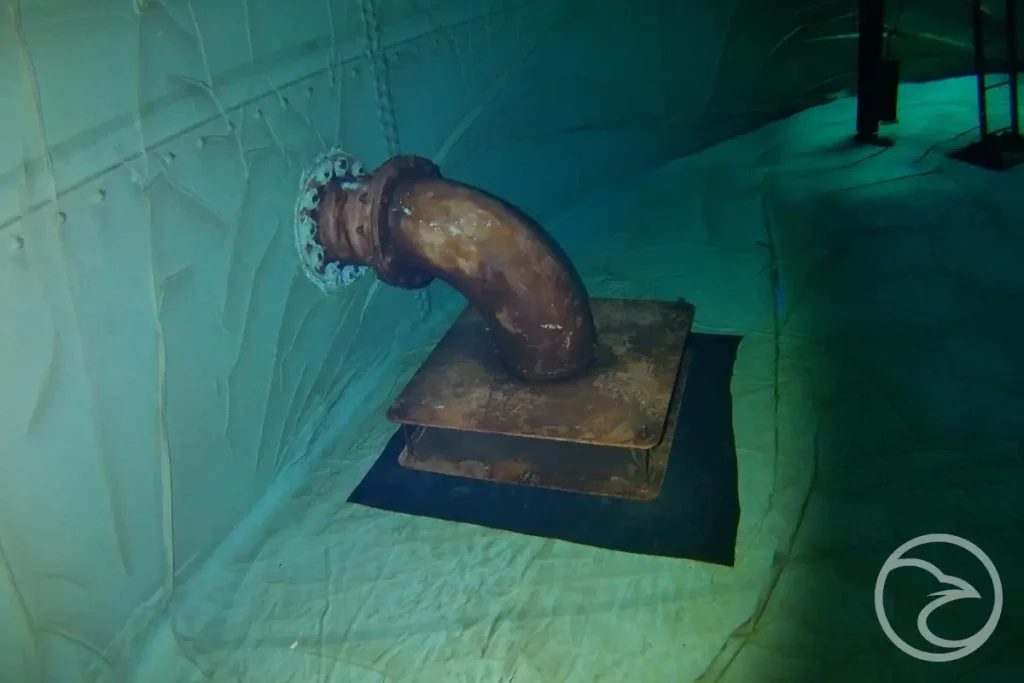
Operators control the ROV and navigate through the structure. They inspect walls, joints, floors, and internal components. The system records high-quality video and images during the inspection. This data is used to assess condition and identify issues.
After the inspection, a report is prepared with findings and recommendations.
Why ROV Inspection is Used
ROV inspection is used when traditional methods are not practical. It is especially useful when draining is not possible or too costly. It is also used when access is limited or unsafe.
Many inspections must be completed without interrupting operations.
ROV systems allow this to happen.
When ROV Inspection is the Best Option
ROV inspection is ideal in the following situations:
- When assets must remain operational during inspection
- When access is limited or unsafe
- In complex or hard-to-reach environments
- When fast inspection results are required
- Before maintenance or repair planning
- When draining is not a viable option
Learn more in benefits of rov inspection.
Key Benefits of ROV Inspection
ROV inspection offers several important advantages:
- Eliminates the need for draining in many cases
- Reduces downtime and operational impact
- Improves safety by avoiding confined space entry
- Removes the need for divers or manual inspection teams
- Provides accurate and consistent visual data
- Supports better maintenance and planning decisions
- Faster than many traditional inspection methods
For a comparison of approaches, see rov vs diver inspection.
Limitations to Consider
ROV inspection is effective, but not always the only solution. Some environments may still require manual inspection. This can depend on access, visibility, or asset condition.
In certain cases, additional inspection methods may be required. This ensures a complete assessment.
However, ROV inspection covers most standard inspection needs.
Final Thoughts
ROV inspection provides a safe and efficient way to inspect submerged assets. It reduces downtime, improves safety, and delivers reliable data.
It is now widely used across infrastructure and industrial environments. Its flexibility makes it suitable for many inspection scenarios.
For a professional solution, explore our ROV tank inspection services.