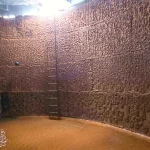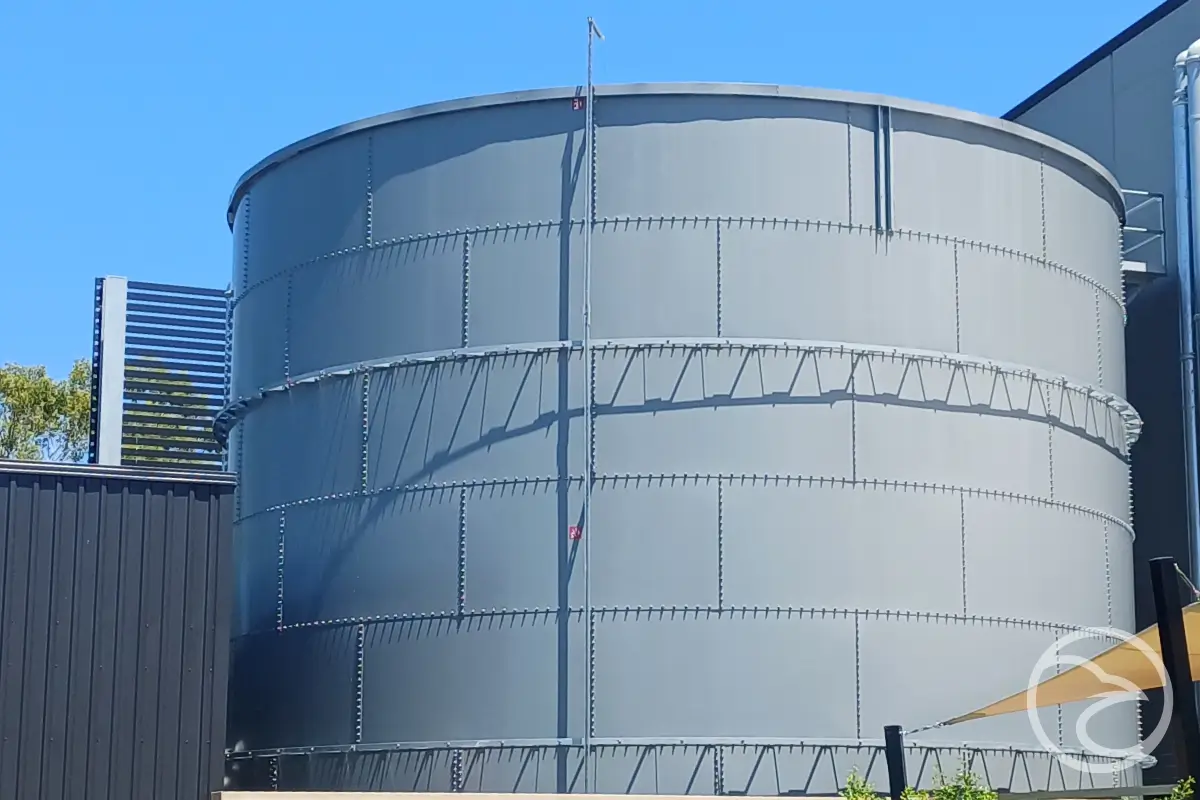

Moisture buildup inside roofed tanks is a common but often overlooked issue. While external weather protection is usually well considered, internal condensation can quietly lead to corrosion, structural deterioration, and reduced asset lifespan. Whirly Birds roof ventilation plays an important role in managing these hidden risks by maintaining continuous airflow inside enclosed tank structures.
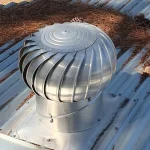
Whirly Birds, also known as roof turbine ventilators, are passive devices designed to extract warm, moisture-laden air without the need for electrical power or mechanical systems. Their simple design allows them to operate continuously, making them a reliable solution for long-term ventilation.
What is Whirly Birds Roof Ventilation?
Whirly Birds roof ventilation relies on wind movement and natural convection. As air flows across the turbine, the spinning action creates a low-pressure zone that draws air upward from inside the tank. Warm air naturally rises, carrying moisture with it, and is expelled through the roof turbine.
This process helps replace humid internal air with drier external air, even in low-wind conditions. Because the system is passive, it provides ventilation around the clock without requiring monitoring or operational input.
Why Condensation Develops Inside Tanks
Condensation forms when warm air meets cooler internal surfaces, such as steel roofs or upper wall sections. This temperature difference causes moisture to settle on surfaces, leading to damp conditions that may persist for long periods.
In enclosed tanks, especially those with limited airflow, condensation can result in:
- Moisture accumulation beneath the roof
- Dripping water onto internal components
- Accelerated corrosion of steel panels and fixings
- Increased risk of long-term structural degradation
Without adequate ventilation, these conditions can remain unnoticed until visible damage appears.
How Whirly Birds Roof Ventilation Controls Condensation
By continuously removing warm, humid air, Whirly Birds roof ventilation reduces the conditions that allow condensation to form. The constant exchange of air helps stabilise internal temperature and humidity levels, limiting moisture buildup on internal surfaces.
Key benefits include:
- Reduced condensation under tank roofs
- Drier internal structural components
- Lower humidity levels over time
- Improved internal air circulation
This makes roof turbines particularly effective for tanks that remain sealed or experience minimal internal access.
The Link Between Condensation and Corrosion
Corrosion inside tanks is often driven by prolonged exposure to moisture rather than direct contact with stored water. Roof structures, fasteners, and junction points are especially vulnerable when condensation is allowed to persist.
By reducing internal humidity, Whirly Birds roof ventilation helps slow oxidation processes and minimise corrosion risks. While ventilation does not replace protective coatings or inspections, it acts as a preventative measure that supports overall corrosion management strategies.
Ventilation that Supports Long-Term Tank Performance
At Raven Tanks, ventilation is recognised as a key factor in maintaining long-term tank performance. Roof turbine ventilators promote consistent airflow that helps manage internal humidity, reduce condensation, and limit corrosion-prone conditions within tank structures.
By supporting a more stable internal environment, these systems contribute to asset longevity and align with considerations related to BS EN 12845 and WRAS where applicable. Though simple in design, roof turbines provide continuous protection that supports safe and efficient water storage over time.

Where Roof Turbine Ventilation is Most Effective
Whirly Birds roof ventilation is commonly used on:
- Steel and panel water tanks
- Fire water storage tanks
- Industrial and agricultural storage systems
- Tanks located in humid or variable climates
They can be installed during construction or added later as part of an upgrade or maintenance program.
A Simple Solution with Long-Term Benefits
Whirly Birds roof ventilation offers a quiet yet effective way to manage condensation and reduce corrosion risks inside tanks. By operating continuously and passively, roof turbines help protect internal structures, extend service life, and support long-term asset reliability — all without adding operational complexity.