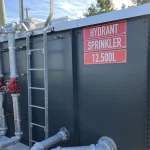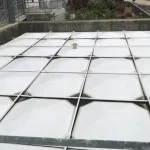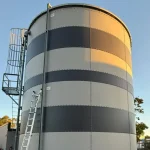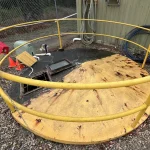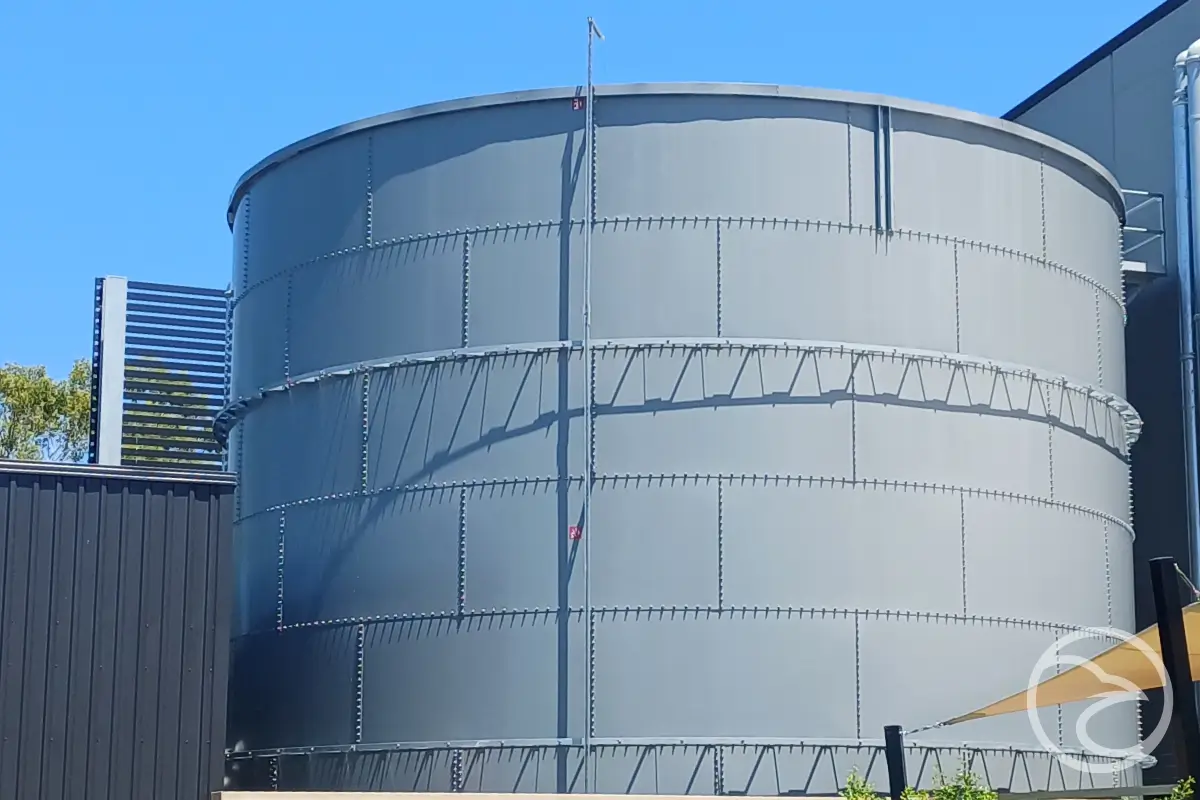

Fire protection systems rely on more than compliance checklists or installed capacity. At the centre of every effective fire water system is fire tank readiness — the ability of the storage tank to deliver reliable water supply when it is needed most. While fire tanks are often viewed as passive assets, their condition evolves continuously due to environmental exposure, material ageing, and operational factors.
Understanding what influences readiness helps facility owners and operators reduce risk, improve long-term reliability, and avoid unexpected failures during emergency events.
What Fire Tank Readiness Really Means
Fire tank readiness refers to the overall operational condition of a fire water storage system. It combines several factors, including structural integrity, internal condition, water quality stability, and the ability of connected systems to perform under pressure.
A tank may appear visually intact while still experiencing internal degradation, coating breakdown, corrosion, or sediment accumulation. These hidden issues can compromise flow rates or water availability during a fire response, even if the tank meets basic capacity requirements.
How Fire Tank Condition Changes Over Time
Fire tanks are exposed to constant physical and environmental stress. Temperature fluctuations, humidity, UV exposure, and water chemistry all influence how materials age. Steel tanks may experience corrosion progression, while liners and coatings can lose flexibility or adhesion over time.
Internally, changes in water quality can accelerate deterioration. Sediment buildup, microbial activity, and stagnant conditions may affect internal surfaces and fittings. These gradual changes often go unnoticed without structured condition awareness, increasing the likelihood of performance issues during critical moments.
Risks of Poor Readiness Management
When fire tank readiness is not actively monitored, risks tend to surface unexpectedly. Reduced outlet performance, compromised linings, or structural weaknesses may only become apparent during system testing or emergency use. At that point, corrective action becomes urgent and disruptive.
Inconsistent condition management also increases the chance of non-compliance findings during audits or insurance reviews. More importantly, it undermines confidence in the fire protection system itself, creating operational uncertainty for site managers and safety officers.
Environmental and Site Factors That Influence Readiness
No two fire tanks operate under identical conditions. Coastal environments introduce salt exposure, accelerating corrosion processes. Industrial sites may expose tanks to airborne contaminants or chemical vapours. Temperature extremes can affect material expansion, joint performance, and coating longevity.
Tank design and material selection play a role, but ongoing exposure ultimately determines how readiness evolves. Understanding site-specific influences allows condition strategies to be aligned with actual operating environments rather than generic assumptions.

The Role of Condition Monitoring in Fire Water Systems
Maintaining fire tank readiness is less about frequent intervention and more about informed oversight. Periodic condition monitoring helps identify early signs of deterioration before they escalate into functional limitations.
This approach supports informed planning rather than reactive repairs. By tracking condition trends over time, operators gain clarity on how assets are performing and when attention may be required, reducing operational surprises and extending service life.
Supporting Long-Term Fire Water Reliability
Fire water storage systems are long-term infrastructure assets. Their reliability depends on consistency — not only in design but also in how condition is understood and managed over time. Structured oversight ensures that readiness remains aligned with operational expectations and regulatory requirements.
Regular evaluation of tank condition supports long-term reliability without disrupting normal site operations. When readiness is treated as an ongoing state rather than a periodic checkbox, fire water systems remain dependable throughout their service life.
Ongoing condition management and structured condition assessment practices play an important role in maintaining water storage readiness and system reliability.