
Large-scale water storage presents challenges that go beyond simple capacity requirements. As storage volumes increase, factors such as site access, structural constraints, future expansion, and operational flexibility begin to play a far greater role in system selection. For this reason, modular water tank systems are often preferred in large-scale applications where adaptability and long-term planning are essential.
The Challenges of Large-Scale Water Storage
Unlike small, standalone tanks, large water storage systems must operate within complex environments. Industrial facilities, commercial sites, and infrastructure projects frequently face limitations related to space, access routes, and construction sequencing. In many cases, tanks must be installed in confined areas, on rooftops, or within existing structures.
Additionally, large storage volumes are rarely static. Demand patterns may change, usage intensity can increase, and regulatory or operational requirements may evolve over time. Systems that cannot adapt easily to these changes often become inefficient or require costly modifications.
How Modular Tank Systems Address Scalability
One of the primary reasons modular water tank systems are preferred is their scalability. Instead of relying on a single, fixed-volume structure, modular systems are assembled from individual components that form the overall tank.
This approach allows storage capacity to be tailored precisely to current needs. More importantly, it also enables future expansion without requiring a complete system replacement. As demand grows, additional modules can be integrated into the existing structure, extending capacity while maintaining continuity of operation.
Flexibility in Design and Installation
Large-scale projects often involve logistical challenges that make traditional tank installation difficult. Transporting oversized components, managing limited site access, or coordinating installation alongside other construction activities can all complicate timelines.
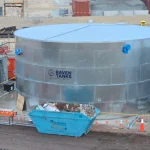
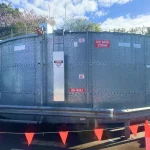
Modular systems reduce these constraints by breaking the structure into manageable sections. Components can be transported more easily, assembled on-site, and adapted to irregular footprints or height restrictions. This flexibility makes modular designs particularly suitable for urban, industrial, or retrofit environments where conventional tank solutions may not be feasible.
Adaptability to Site Conditions
Every site presents unique conditions that influence storage design. Ground loading limits, foundation requirements, and environmental exposure all affect how a tank performs over time. Modular water tank systems allow engineers to respond to these variables more effectively.
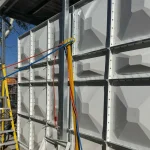
Because modular tanks are assembled piece by piece, load distribution can be planned more precisely. This makes it easier to accommodate uneven foundations or structural constraints while maintaining system stability. The ability to configure tank dimensions to match site conditions also reduces wasted space and improves overall efficiency.
Long-Term Operational Benefits
Beyond installation, modular systems offer advantages throughout their operational life. Maintenance access, internal inspection pathways, and future modifications are easier to manage when a system is designed with modularity in mind.
If operational requirements change, modular tanks can often be adjusted without significant disruption. Sections may be reconfigured, expanded, or adapted to suit new usage patterns. This long-term flexibility helps facilities avoid the limitations associated with rigid, single-structure designs.

Supporting Evolving Infrastructure Needs
Infrastructure planning increasingly emphasizes adaptability and resilience. Storage systems are expected to remain functional across changing conditions rather than serving a single, fixed purpose. Modular water tank systems align well with this approach by supporting phased development and long-term asset management strategies.
As facilities grow or operational priorities shift, modular designs allow storage infrastructure to evolve alongside them. This reduces the risk of premature obsolescence and supports more sustainable planning over the lifecycle of the asset.
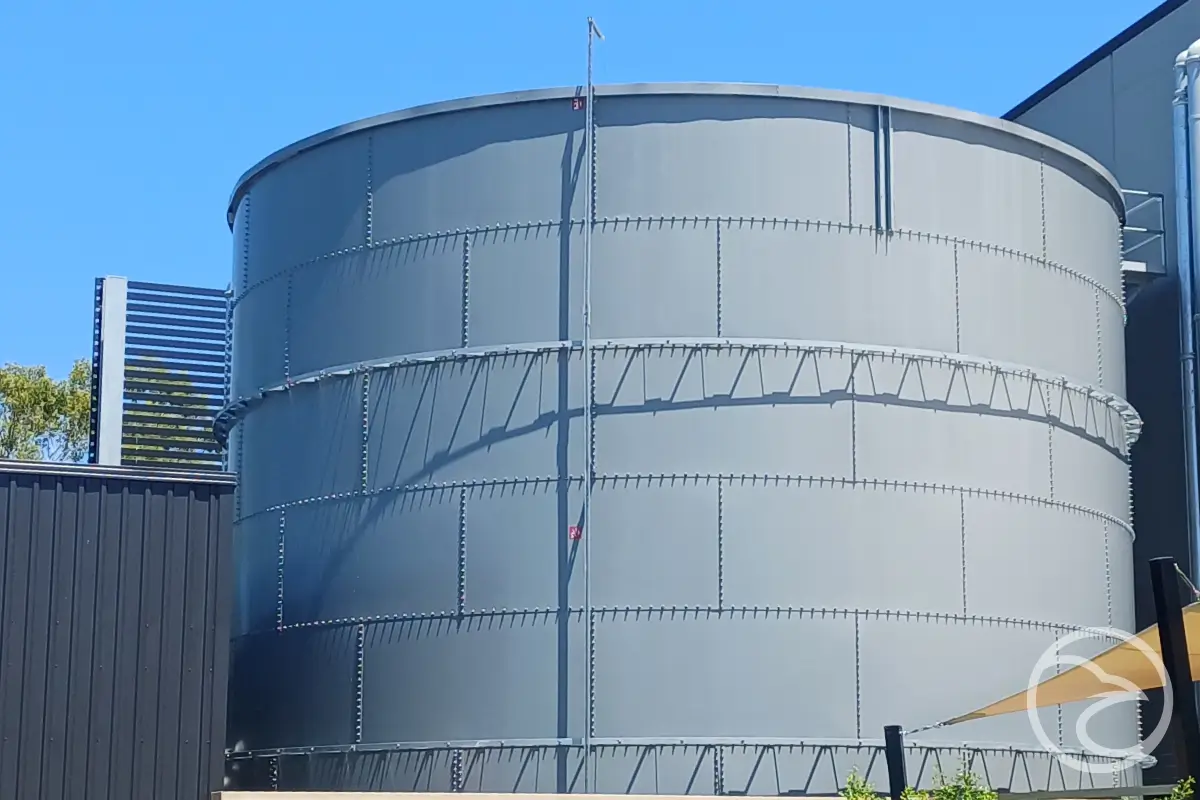
In large-scale water storage projects, modular tank solutions used in large storage projects are commonly applied where flexibility, phased expansion, and long-term system performance are required.
Conclusion
The preference for modular tank systems in large-scale water storage is driven by practical, long-term considerations rather than short-term convenience. Scalability, installation flexibility, adaptability to site conditions, and operational resilience all contribute to their suitability for complex storage applications.
By addressing the unique challenges associated with large volumes and evolving demands, modular water tank systems provide a framework that supports both current requirements and future growth—making them a logical choice in modern water storage planning.