
Choosing between GRP vs steel tanks can be challenging, as both materials offer different advantages for water storage.
GRP (Glass Reinforced Plastic) combines fiberglass and resin to create a lightweight, corrosion-resistant tank.
Steel tanks, by contrast, are known for their rigidity and long industrial use, but they need more maintenance over time.
This comparison will help you understand their strengths, limitations, and best applications — so you can select the right solution for your project.
1. Material Composition and Design
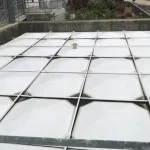
GRP tanks are constructed from modular fiberglass panels joined with stainless steel bolts and sealed with rubber gaskets. This design allows easy installation, transport, and future expansion. They maintain excellent water hygiene due to their smooth inner surfaces and non-reactive materials.
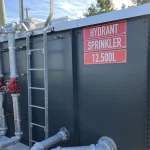
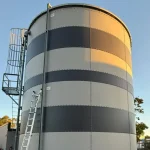
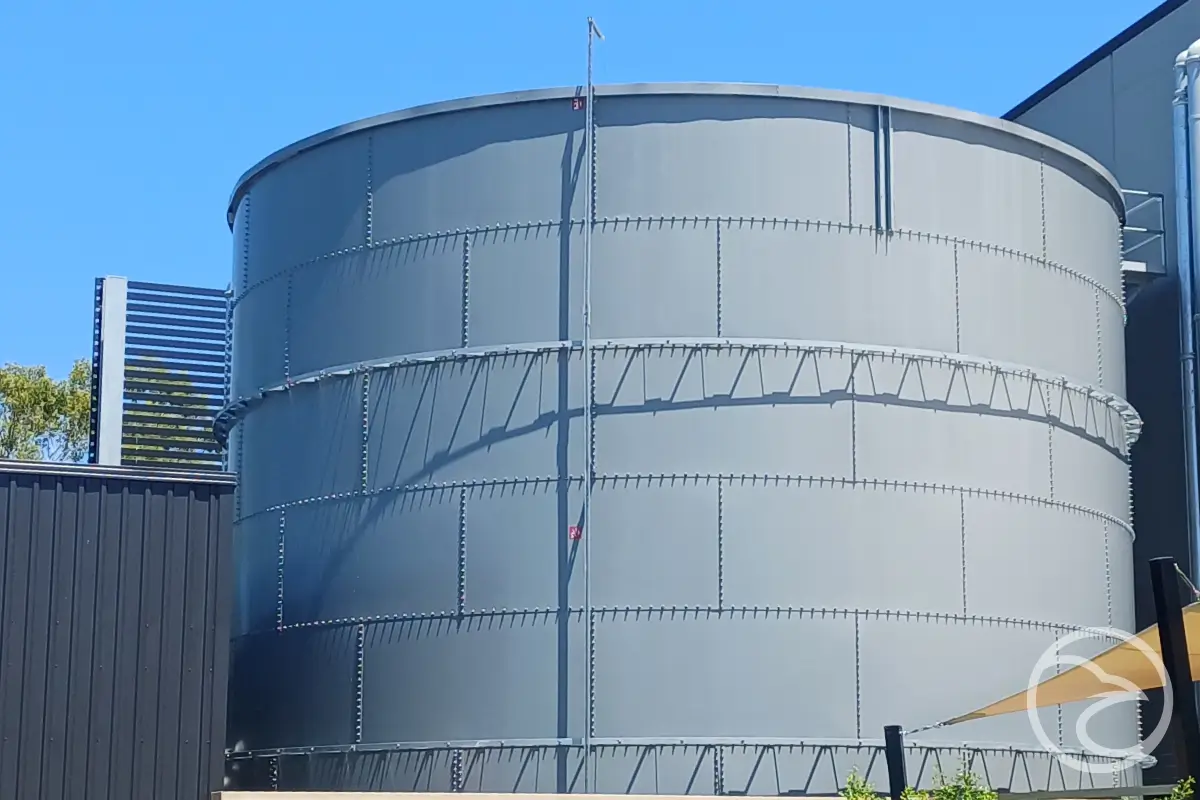
Steel tanks, however, are built from pressed or welded sheets, usually galvanized or stainless. While strong, they are prone to rust and corrosion, especially in coastal or humid regions, unless regularly coated or maintained.
Learn more about our modular designs on the GRP Panel Tanks Australia page.
2. Durability and Maintenance
A GRP tank resists chemical corrosion, UV exposure, and temperature fluctuations. It doesn’t rust, peel, or require repainting — making it ideal for Australia’s variable climate.
A steel tank, on the other hand, provides exceptional mechanical strength but needs protective coatings and periodic inspections to prevent degradation. Over time, corrosion may affect water quality or structural safety if not managed properly.
3. Weight and Installation Efficiency
GRP tanks are lightweight and modular, which means they can be shipped flat-packed and assembled on site with minimal heavy machinery.
This reduces installation costs and time, especially in remote areas. Steel tanks are heavier and require cranes or specialized lifting equipment for assembly, increasing logistics complexity.
4. Cost and Long-Term Value
Although the initial cost of a GRP tank can be slightly higher, the low maintenance and long lifespan make it more cost-effective over time.
Steel tanks may have lower upfront costs, but the expense of coatings, cleaning, and repairs adds up.
For comparison, stainless steel panel tanks offer excellent strength and visual appeal, but require more upkeep to prevent corrosion and maintain water quality.
For large-scale installations, such as industrial or municipal storage, GRP tanks often deliver better total value.

5. Environmental Impact
GRP tanks have a smaller carbon footprint during transportation due to their light weight.
Their production process also allows recycling of fiberglass components.
Steel tanks, while recyclable, require more energy for manufacturing and corrosion protection treatments.
As sustainability becomes a growing priority, GRP systems are increasingly favored in eco-conscious projects.
Conclusion
Both GRP and steel tanks have their place in modern water storage.
If you prioritize lightweight design, corrosion resistance, and minimal maintenance, GRP is the better choice.
If rigidity and traditional aesthetics are more important, steel may fit your project.
For more details on GRP construction, specifications, and applications, visit our main service page: GRP Panel Tanks Australia.