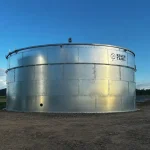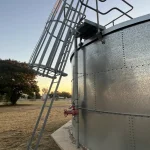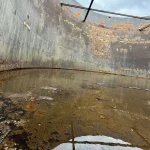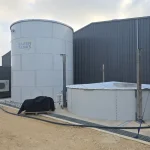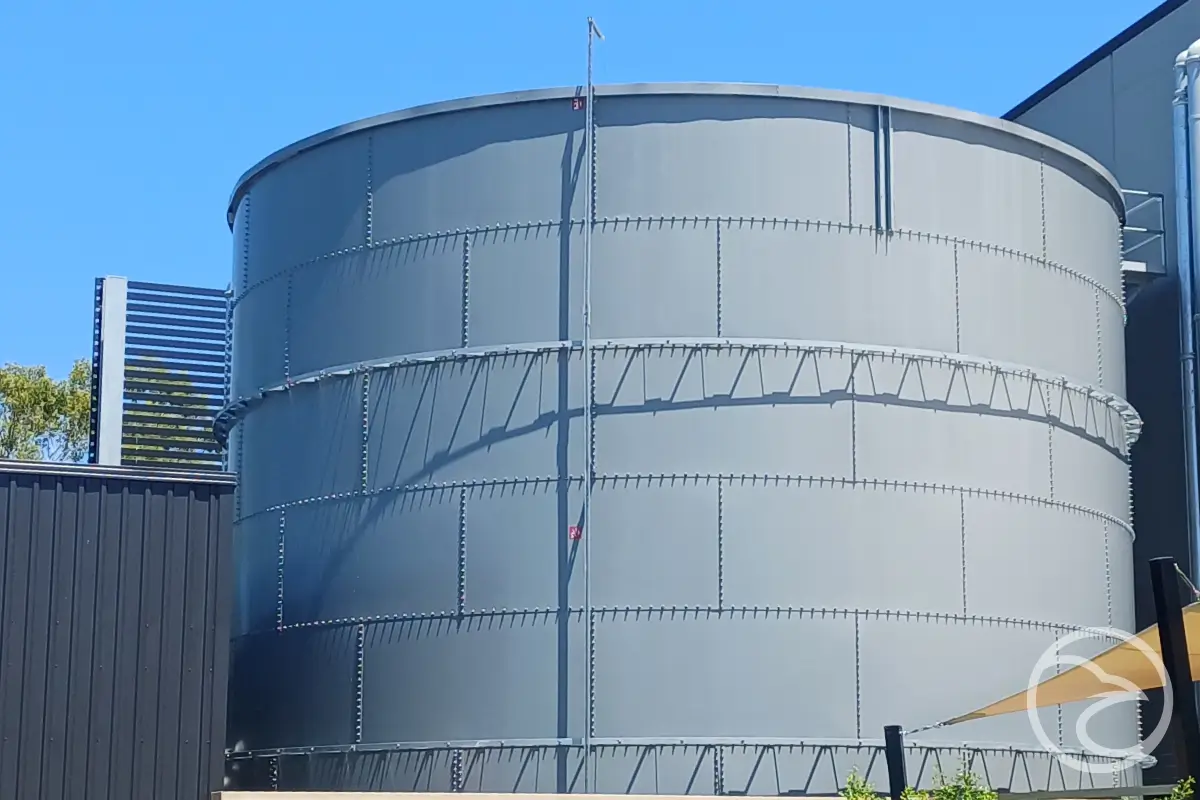

Water tanks often fail because maintenance is irregular or incomplete. A clear checklist helps prevent costly repairs and system downtime. This guide outlines what to inspect and when. It keeps your system safe and efficient.
Why a Water Tank Maintenance Checklist Matters
Routine checks reduce the risk of leaks, contamination, and structural damage. They also extend the lifespan of your tank. Many issues develop slowly and go unnoticed. Without a checklist, small problems become expensive failures.
A structured approach ensures nothing is missed. It also helps meet safety and compliance requirements.
If you already see warning signs, review water tank maintenance indicators before proceeding.
Monthly Water Tank Checks
Monthly inspections focus on visible and fast-developing issues. These checks require minimal time but deliver high value.
Visual Inspection
Check the tank exterior for cracks, corrosion, or deformation. Pay attention to seams and joints.
Look for discoloration or unusual marks. These may indicate early material failure.
Leak Detection
Inspect the base and surrounding area for moisture. Even small leaks can worsen quickly.
Check pipe connections and outlet valves. Loose fittings often cause hidden leaks.
Water Level Indicators
Test float valves and sensors for accuracy. Faulty readings can lead to overflow or shortages.
Ensure electronic systems respond correctly. Manual backups should also be functional.
Quarterly Maintenance Tasks
Quarterly checks go deeper into system performance. They help identify internal or operational issues.
Valves and Pipework
Inspect all valves for wear and proper operation. Open and close them to ensure smooth movement.
Check pipes for corrosion, blockages, or pressure issues. Damaged pipes can affect the entire system.
Sediment Build-Up
Sediment collects at the bottom of tanks over time. This reduces water quality and storage capacity.
Check for signs of debris or sludge. If buildup is visible, cleaning may be required.
Seals and Joints
Inspect seals for cracks or deterioration. Worn seals increase the risk of leaks.
Replace damaged components immediately. Delaying repairs can lead to system failure.
Annual Water Tank Maintenance Checklist
Annual maintenance is more comprehensive and often requires professionals. It ensures long-term reliability and compliance.
Tank Cleaning
Drain and clean the tank thoroughly. Remove sediment, algae, and contaminants.
Use appropriate cleaning methods for your tank type. Improper cleaning can damage internal surfaces.
Structural Inspection
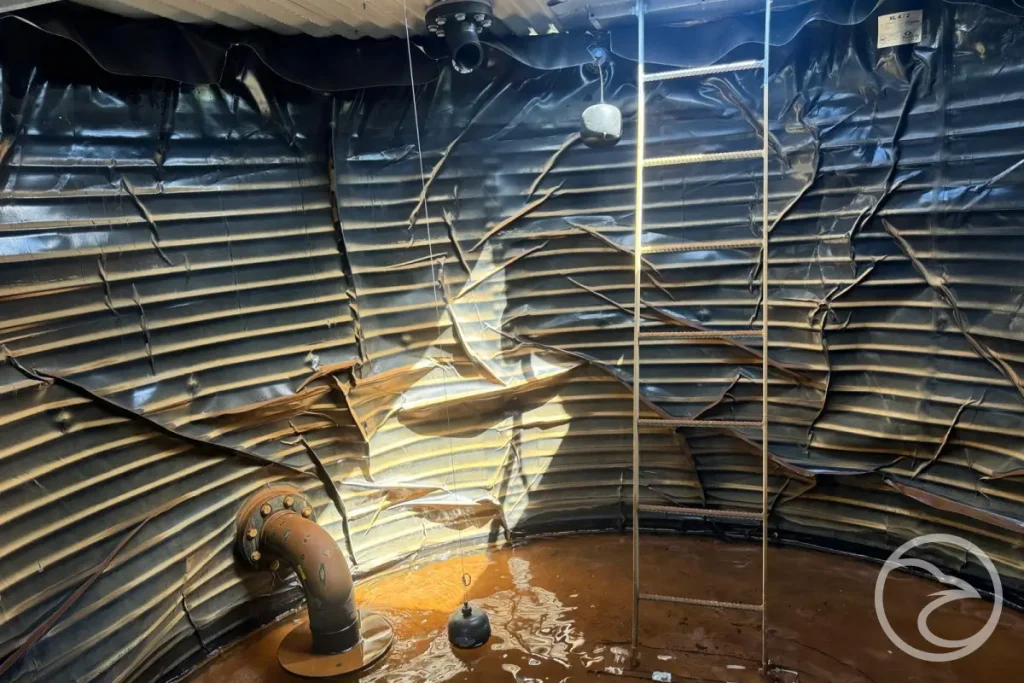
Check the tank structure for corrosion or weakening. Focus on high-stress areas and support points.
Inspect internal linings and coatings. Damaged coatings expose the tank to corrosion.
Component Testing
Test all system components, including pumps and sensors. Ensure everything operates within required parameters.
Replace outdated or faulty equipment. Upgrading components can improve efficiency.
For full servicing support, consider water storage tank maintenance services.
Common Water Tank Maintenance Mistakes
Many issues arise from avoidable mistakes. Understanding them helps improve maintenance outcomes.
Skipping Regular Inspections
Irregular checks lead to unnoticed damage. Small issues become major repairs over time.
Ignoring Early Warning Signs
Rust, leaks, and unusual noises should never be ignored. They often indicate deeper problems.
Using Incorrect Cleaning Methods
Harsh chemicals or improper tools can damage the tank. Always follow recommended procedures.
Delaying Repairs
Temporary fixes often fail under pressure. Permanent solutions should be implemented quickly.
When to Call Professionals
Some maintenance tasks require expert knowledge and equipment. Attempting them without experience can cause damage.
Call professionals if you notice:
- structural damage
- persistent leaks
- contamination issues
- failing components
If you are unsure, it is safer to seek expert advice. This reduces risk and ensures compliance.
You can also review signs your tank needs maintenance to decide on next steps.
Final Thoughts
A proper checklist keeps your water tank system reliable and safe. It also helps reduce long-term costs. Consistent maintenance prevents emergencies and extends system life. Even simple monthly checks make a significant difference.
Following a structured schedule ensures nothing is overlooked. It is the most effective way to protect your investment.