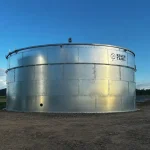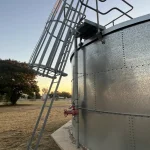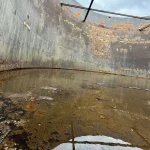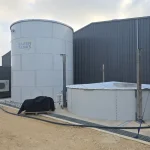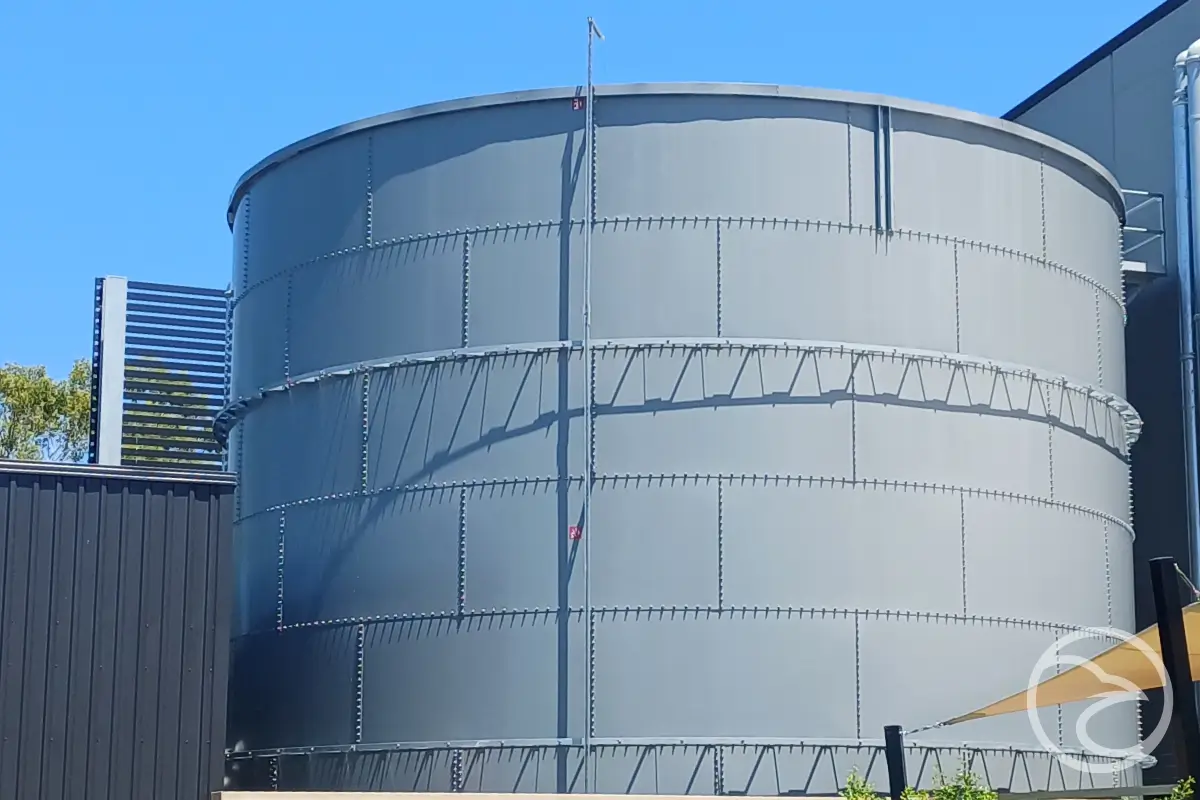

Water tanks are designed to provide reliable water storage for many years. However, no water tank has an unlimited service life.
So, how long do water tanks last?
The answer depends on the tank material, construction quality, environment, water conditions, and maintenance. Some tanks may require attention after 10 to 15 years. Others can remain serviceable for several decades.
Age is only one part of the picture. Two tanks installed in the same year can deteriorate at very different rates.
Regular maintenance, inspections, and timely repairs can help extend a tank’s usable life. Poor maintenance can have the opposite effect.
This guide explains typical water tank lifespans and the factors that affect them. It also covers deterioration, maintenance, warning signs, repairs, and replacement.
How Long Does a Water Tank Last?
A water tank can last from around 10 years to several decades. The expected lifespan depends heavily on its material and operating conditions.
Steel, concrete, stainless steel, poly, and GRP tanks all deteriorate differently. Even tanks made from the same material can have different service lives.
The following ranges provide a general guide.
table These figures should not be treated as fixed replacement dates. Actual tank condition matters more than age alone.
A well-maintained tank may remain functional beyond its expected lifespan. Another tank may develop serious problems much earlier.
Location also makes a major difference. Coastal conditions can increase corrosion risks for certain metal tanks. High UV exposure can affect some plastic materials.
Water chemistry, tank usage, installation quality, and maintenance also influence the final service life. For this reason, tank age should always be considered together with its physical condition.
Water Tank Lifespan by Material
Tank material is one of the biggest factors affecting expected service life. Each material has different strengths and deterioration risks.
Understanding these differences can help owners plan inspections, maintenance, repairs, and future replacement.
Steel Water Tanks
Steel water tanks are widely used for commercial, industrial, and fire water storage. They provide excellent strength and can support large storage capacities.
A well-maintained steel tank can often remain in service for several decades. However, corrosion is one of the main threats to steel tanks. It can develop internally or externally when protective systems begin to fail.
Coatings and tank liners can help separate steel surfaces from water and moisture. Their condition should be monitored throughout the tank’s life.
Other factors can also affect steel tank lifespan. These include water chemistry, environmental exposure, installation quality, and structural loading.
Localised corrosion does not always mean the entire tank requires replacement. Early detection may allow targeted repairs or protective treatment.
Galvanised Steel Water Tanks
Galvanised steel uses a zinc coating to protect the underlying steel from corrosion. This provides additional protection in many water storage applications.
However, the protective zinc layer can gradually deteriorate. Once areas of steel become exposed, corrosion can begin. The deterioration rate depends on moisture, water chemistry, contaminants, and environmental conditions.
Regular inspections can identify coating breakdown and corrosion before they become more extensive.
Maintenance may include repairs, protective coatings, liner systems, or other corrosion-control measures.
With appropriate care, galvanised steel tanks can provide a long and reliable service life.
Stainless Steel Water Tanks
Stainless steel provides strong corrosion resistance and a long potential lifespan.
It is commonly selected where durability, hygiene, and water quality are important. However, stainless steel is not completely immune to deterioration.
Water chemistry, chloride exposure, poor fabrication, and unsuitable material grades can contribute to localised corrosion.
Welds and connections can also require attention during inspections.
Correct material selection is particularly important. The stainless steel grade should suit the stored water and surrounding environment.
With suitable design and maintenance, stainless steel tanks can remain operational for many decades.
Concrete Water Tanks
Concrete water tanks are known for strength and long service life. They are often used for large commercial and municipal water storage systems.
A properly designed concrete tank may remain operational for 30 to 50 years or longer. However, concrete can crack over time.
Small cracks do not automatically indicate structural failure. They can still allow water or moisture to reach reinforcement within the structure.
This can contribute to reinforcement corrosion and further concrete deterioration.
Waterproofing systems, joints, seals, and internal surfaces should therefore receive regular attention. Movement, settlement, poor construction, and chemical exposure can also reduce the life of concrete tanks.
For a closer look at expected service life, read our guide on how long concrete water tanks last.
Poly Water Tanks
Polyethylene water tanks are lightweight and resistant to rust. They are widely used for rainwater and general water storage.
Quality poly tanks can provide many years of service. UV exposure is an important consideration for outdoor tanks. Prolonged exposure can gradually affect lower-quality materials.
Temperature changes and physical stresses can also contribute to deterioration.
The tank base is especially important. Uneven support can place unnecessary stress on the tank structure.
Cracking, deformation, fading, or changes around fittings can indicate developing problems. Correct installation and suitable UV-stabilised materials can help maximise poly tank lifespan.
Fibreglass and GRP Water Tanks
Fibreglass and glass reinforced plastic tanks provide good corrosion resistance. They are used across commercial and industrial applications.
Their lifespan depends heavily on manufacturing quality and operating conditions. UV exposure, chemical conditions, impact damage, and structural stress can affect GRP materials over time.
Surface deterioration may also develop as the tank ages. Connections, joints, panels, and seals should be checked during routine maintenance.
Good installation and regular condition monitoring can help GRP tanks provide reliable long-term service.
What Affects the Lifespan of a Water Tank?
Material provides a useful starting point for estimating tank lifespan. However, many other factors determine how quickly deterioration occurs.
Construction and Installation Quality
A tank should be correctly designed, manufactured, supported, and installed.
Poor installation can create uneven loads or excessive stress. These problems may eventually contribute to cracks, movement, leaks, or structural distortion.
The foundation is particularly important for larger tanks. A stable and level base helps distribute the tank’s weight correctly. Foundation movement can place additional stress on walls, panels, joints, and connections.
Water Quality and Chemistry
Stored water constantly interacts with internal tank surfaces.
Its chemical properties can therefore influence deterioration. Acidity, alkalinity, salts, chlorides, minerals, and contaminants may affect different tank materials. Some conditions can accelerate corrosion or damage protective systems.
Water quality should be considered when selecting materials, coatings, and liners.
Environmental Exposure
The environment surrounding a tank can significantly affect its service life. Coastal environments may expose metal tanks to salt and moisture. These conditions can increase external corrosion risks.
Outdoor tanks may also face:
- UV radiation
- rain and moisture
- temperature changes
- airborne contaminants
- vegetation and debris
- industrial pollutants
Protective systems should suit the tank’s specific location.
Tank Usage
A tank used under stable conditions may experience different stresses from a heavily used system.
Frequent filling and emptying can create repeated loading cycles. Industrial tanks may also face different water conditions or operating temperatures.
Fire water tanks can remain full for long periods. Their reliability is especially important because stored water must remain available when required.
Maintenance History
Maintenance can make a major difference to water tank life expectancy. Small defects are often easier to manage when detected early. Neglected defects can become larger and more expensive.
A complete maintenance history can also help identify recurring problems and deterioration patterns.
Why do Water Tanks Deteriorate?
Water tank deterioration usually develops gradually. It may begin long before a major leak or structural problem becomes obvious.
Corrosion is one of the most common problems in steel tanks. Protective coatings can deteriorate with age, mechanical damage, or continuous exposure. Once steel becomes exposed, corrosion may develop.
Tank liners can also deteriorate. Damage, ageing, movement, or incorrect installation may reduce their effectiveness.
Sediment is another common issue. Material can accumulate at the bottom of a tank over time. Excessive sediment may affect water quality and make inspection more difficult.
Different tank types can also experience:
- leaking joints and seals
- damaged roof components
- cracks
- panel movement
- surface deterioration
- damaged fittings
- structural deformation
- coating breakdown
- liner damage
Environmental conditions can accelerate many of these problems.
Most importantly, deterioration can continue when nobody is monitoring the tank. A minor defect can become a larger repair issue over several years.
Signs Your Water Tank may be Deteriorating
Some water tank problems are easy to see. Others require closer inspection.
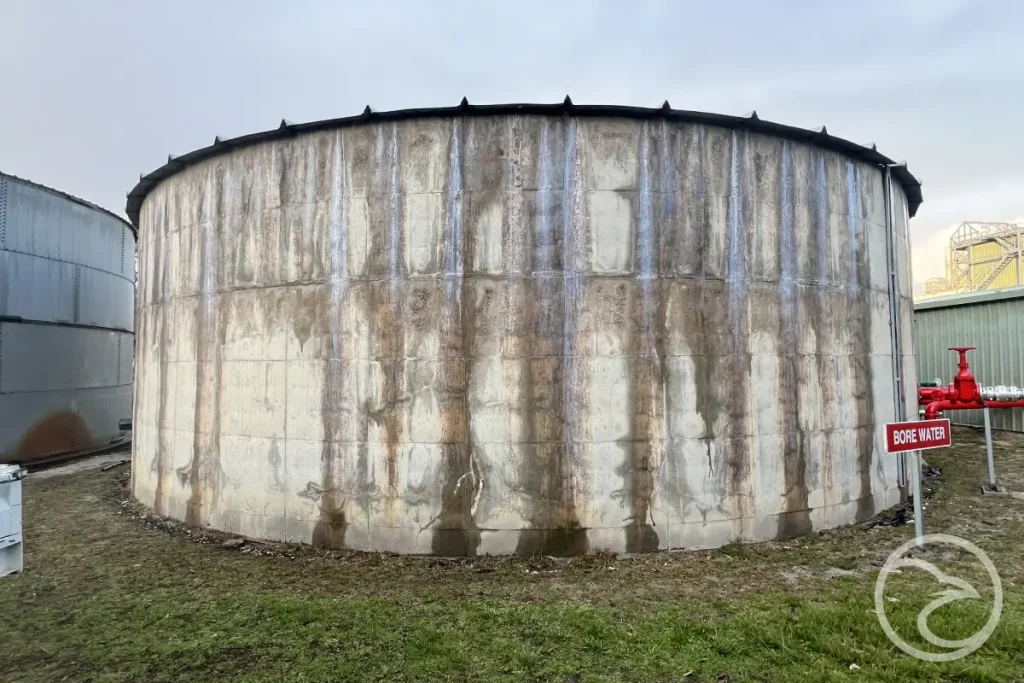
Visible rust is an obvious warning sign on steel components. Rust staining can also indicate moisture reaching areas that require investigation.
Leaks are another important sign. A small leak around a fitting or joint may appear minor. However, recurring leakage can indicate deterioration that should be assessed.
Other warning signs include:
- corrosion or rust staining
- cracks in tank surfaces
- water around the tank base
- bulging or distorted panels
- loose or damaged connections
- damaged seals
- coating breakdown
- liner deterioration
- excessive sediment
- roof damage
- recurring leaks
- unexplained changes in stored water
Unusual noises, movement, or visible deformation should also receive attention.
Owners should not rely only on external appearance. A tank can look acceptable from outside while internal surfaces are deteriorating. Internal corrosion may remain hidden until it becomes more advanced.
Professional inspection helps identify these less visible problems.
Water Tank Maintenance and Why it Matters
Regular maintenance is one of the most effective ways to support a long tank service life.
Maintenance does not stop ageing. However, it can slow deterioration and prevent minor defects from developing into larger failures.
A good maintenance program should reflect the tank material, use, age, environment, and condition.
Use our water tank maintenance checklist to identify key inspection, cleaning, and maintenance tasks throughout your tank’s service life.
Regular Tank Inspections
Inspections provide information about the actual condition of a water tank. They can identify corrosion, coating damage, leaks, structural changes, liner problems, and other defects.
Inspection frequency should reflect the tank’s purpose and applicable maintenance requirements.
Older tanks may require closer monitoring. Tanks exposed to aggressive environments may also need additional attention.
Inspection findings should be documented. Comparing results over time can reveal whether deterioration is stable or progressing.
Cleaning and Sediment Removal
Sediment can accumulate inside water tanks over time.
The amount depends on the water source, tank design, usage, and maintenance practices.
Regular cleaning can help control sediment and contaminants. Cleaning also provides an opportunity to assess internal surfaces and components. Problems hidden below sediment may become easier to identify.
Cleaning schedules should suit the specific tank and stored water requirements.
Regular cleaning supports long-term tank condition. Learn how professional cleaning can restore tank performance and support effective water storage.
Corrosion and Coating Maintenance
Protective coatings play an important role in many steel tank systems. Damaged coating areas can expose the underlying metal to water and moisture.
These areas should be assessed before corrosion spreads further. Maintenance may involve surface preparation and local coating repairs. More extensive deterioration may require larger rehabilitation work.
The correct solution depends on the tank’s existing coating system and condition.
Learn the warning signs of MIC corrosion in storage systems to identify potential microbial corrosion before more extensive damage develops.
Tank Liner Maintenance
Tank liners provide an additional barrier between stored water and the tank structure. However, liners can wear, tear, move, or deteriorate over time.
Regular checks can identify:
- tears or punctures
- movement or wrinkling
- damaged seams
- deterioration around fittings
- signs of leakage
- ageing liner material
A damaged liner does not always mean the whole tank requires replacement. Depending on its condition, liner repair or replacement may extend the tank’s usable life.
If your tank uses a liner, understanding how long tank liners last can help you plan inspections, maintenance, and timely replacement.
Repairs and Preventive Maintenance
Waiting for a tank to fail can increase repair costs and operational disruption. Preventive maintenance focuses on dealing with problems before they become severe.
For example, a small coating defect may require a relatively limited repair. Left untreated, the exposed area could develop significant corrosion.
The same principle applies to seals, joints, liners, fittings, and other components. Early action can help protect both the tank and the stored water system.
How to Extend the Life of a Water Tank
There is no single method that guarantees a longer tank lifespan. Instead, owners should combine regular monitoring with appropriate preventive maintenance.
Useful steps include:
- inspect the tank at suitable intervals
- address leaks as soon as they appear
- monitor corrosion and coating condition
- maintain liners and protective systems
- remove excessive sediment
- check seals, joints, fittings, and connections
- monitor structural movement or deformation
- keep maintenance and repair records
- investigate recurring defects
- use suitable repair materials and methods
It is also important to consider the surrounding environment.
Vegetation, standing water, debris, and poor drainage can create unnecessary moisture around a tank. Owners should also avoid delaying repairs because a defect appears small.
Water tanks often deteriorate progressively. Early repairs can sometimes prevent damage from spreading into larger areas. A planned maintenance approach is generally more effective than responding only after a failure occurs.
Should You Repair or Replace an Old Water Tank?
An old water tank does not automatically need replacement. Tank age should be considered together with structural condition, corrosion, previous repairs, and maintenance history.
Some older tanks remain serviceable because they have been properly maintained. Others may develop significant deterioration much earlier than expected.
Repair may be suitable when damage is limited and the main structure remains sound.
Possible repair or rehabilitation work may include:
- local corrosion repairs
- coating restoration
- liner repair or replacement
- joint and seal repairs
- fitting replacement
- local structural repairs
- leak repairs
Replacement may become more practical when deterioration is widespread.
Extensive structural damage, severe corrosion, repeated failures, or major deformation may change the repair economics.
Recurring repairs are another consideration. Repeatedly repairing the same ageing tank can eventually cost more than planning a replacement.
Safety and reliability should also guide the decision. This is especially important for critical water storage systems.
The best decision should be based on the tank’s actual condition, not its age alone.
How to Know How Much Life Your Water Tank has Left
A lifespan table cannot tell you exactly how many years remain for an existing tank. It provides a general benchmark only.
Determining remaining service life requires a closer look at the tank’s current condition.
An assessment may consider:
- internal and external corrosion
- wall or panel condition
- roof condition
- joints and connections
- coatings
- tank liners
- structural movement
- cracks
- leaks
- sediment
- previous repairs
- surrounding environmental conditions
The findings can help identify which defects need immediate attention. They can also support longer-term maintenance and replacement planning.
This becomes increasingly valuable as a tank gets older. Condition information helps owners avoid replacing a serviceable tank too early.
It can also reduce the risk of keeping a severely deteriorated tank in service for too long. Regular inspections create a clearer picture of how the tank changes over time.
One inspection shows current condition. A history of inspections can show the rate and pattern of deterioration.
That information supports better decisions about maintenance, rehabilitation, and eventual replacement.
Protect Your Water Tank for the Long Term
So, how long do water tanks last? There is no single lifespan that applies to every tank.
Material is important, but it is only one factor. Water chemistry, installation, environment, usage, and maintenance also affect service life.
The most reliable approach is to focus on condition rather than age alone.
Regular inspections can identify deterioration before it develops into a major problem. Cleaning, coating maintenance, liner care, and timely repairs can also extend usable life.
For ageing tanks, a professional condition assessment can provide valuable information about current condition and future maintenance needs.
Understanding what is happening inside the tank makes it easier to decide what comes next.
With appropriate maintenance and early intervention, many water tanks can continue providing reliable service for decades.