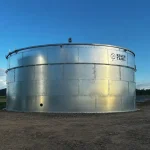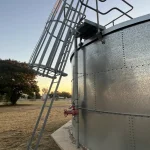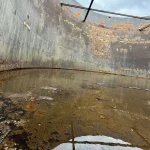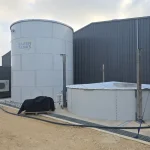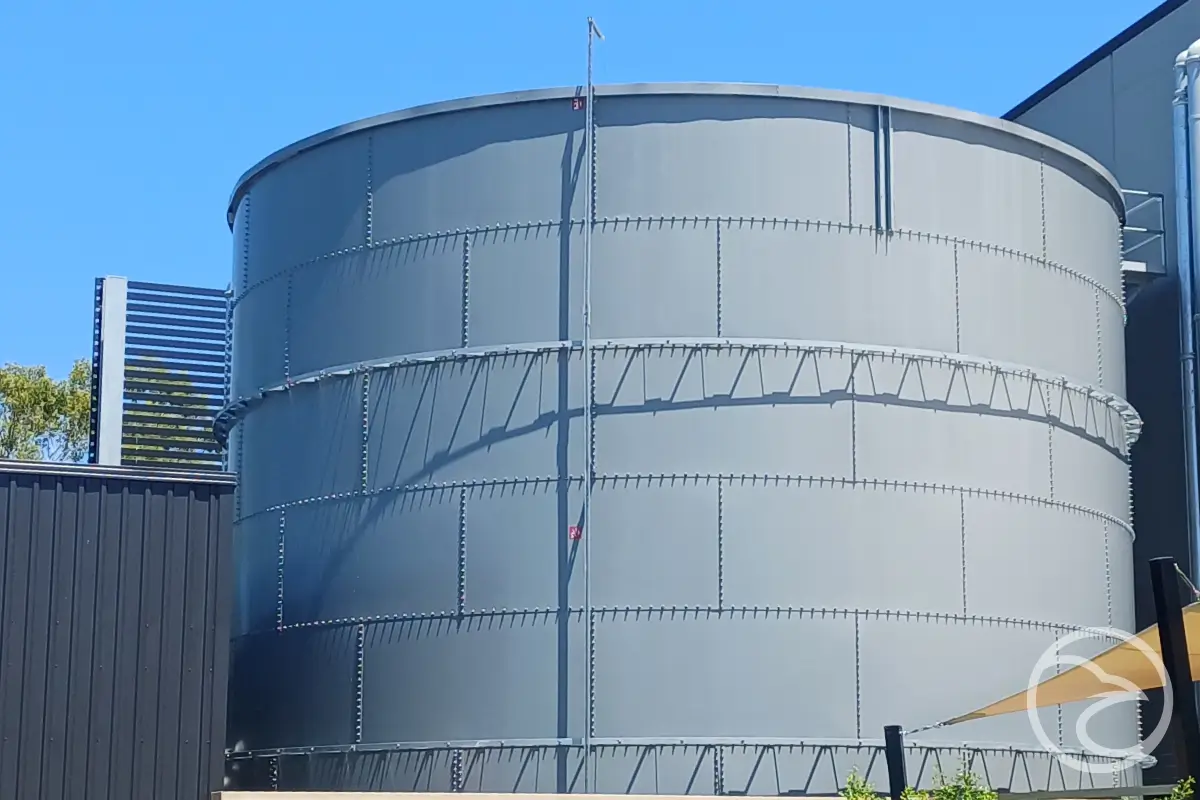

Keeping stored water clean and safe is important for homes, farms, commercial buildings, and industrial facilities. When a tank ages, corrodes, or absorbs contaminants, water quality can decline quickly. Tank liners provide a simple and effective solution by creating a protective barrier inside the tank.
This article explains what tank liners are, how they work, and why they’re used in different water storage applications.
Why Tanks Need Liners
Over time, most tank materials begin to break down. Concrete can crack, steel can rust, and fibreglass can absorb contaminants. When this happens, the water stored inside the tank can become unsafe to use.
Tank liners help prevent:
- Corrosion caused by metal contact with water
- Leaks from cracks or worn surfaces
- Bacterial growth inside the tank
- Contamination from absorbed chemicals or residue
By adding a flexible liner, the tank gets a fresh, clean internal surface without needing to replace the entire structure. For larger commercial and industrial applications, explore our industrial tank lining solutions for tailored designs.
Common Tank Liner Materials
Different tanks and liquids require different liner materials. Here’s a quick look at the most commonly used options:
- PVC Liners: Lightweight, flexible, and suitable for irregular shapes or existing tanks with limited access. Often used in potable, fire, and farm water storage.
- Polypropylene (PP) Liners: Durable and resistant to chemicals and UV exposure. Good for long-term industrial use and wastewater applications.
- HDPE Liners: High-strength and very resistant to abrasion. Suitable for large industrial or mining setups where durability is a priority.
- EPDM Rubber Liners: Flexible and resilient, ideal for outdoor ponds and some industrial tanks, especially where temperature changes are common.
How Tank Liners Extend Tank Life
A liner acts as a protective membrane that separates stored liquid from the tank walls. This helps:
- Stop corrosion in metal tanks
- Prevent cracks in concrete tanks from worsening
- Reduce maintenance and cleaning
- Extend the usable lifespan of the tank by many years
In many cases, installing a liner is far more cost-effective than replacing the entire tank.
Choosing the Right Tank Liner
The best liner depends on:
- What type of liquid is stored (drinking water, fire water, wastewater, chemicals)
- Tank material (steel, concrete, poly, fiberglass)
- Tank shape and access
- Expected temperature and outdoor exposure
If you’re unsure, you can share details like tank size and usage — we’ll recommend the most suitable option.
When to Replace a Tank Liner
A liner may need replacement if you notice:
- Visible cracks or brittleness
- Frequent leaks or damp areas around the tank
- Discoloration or odor in the stored water
- Bubbles or folds lifting away from the tank walls
Early replacement can prevent water loss and protect equipment connected to the tank.

Reliable Tank Liner Solutions in Australia
Raven Tanks supplies and installs tank liners for:
- Commercial buildings
- Industrial facilities
- Agricultural and rural water systems
- Fire protection and emergency storage systems
If you’d like help selecting a liner, feel free to reach out with your tank dimensions and application. We’re always here to guide you.