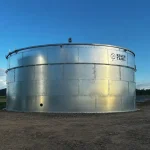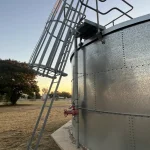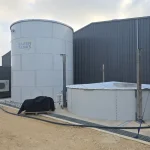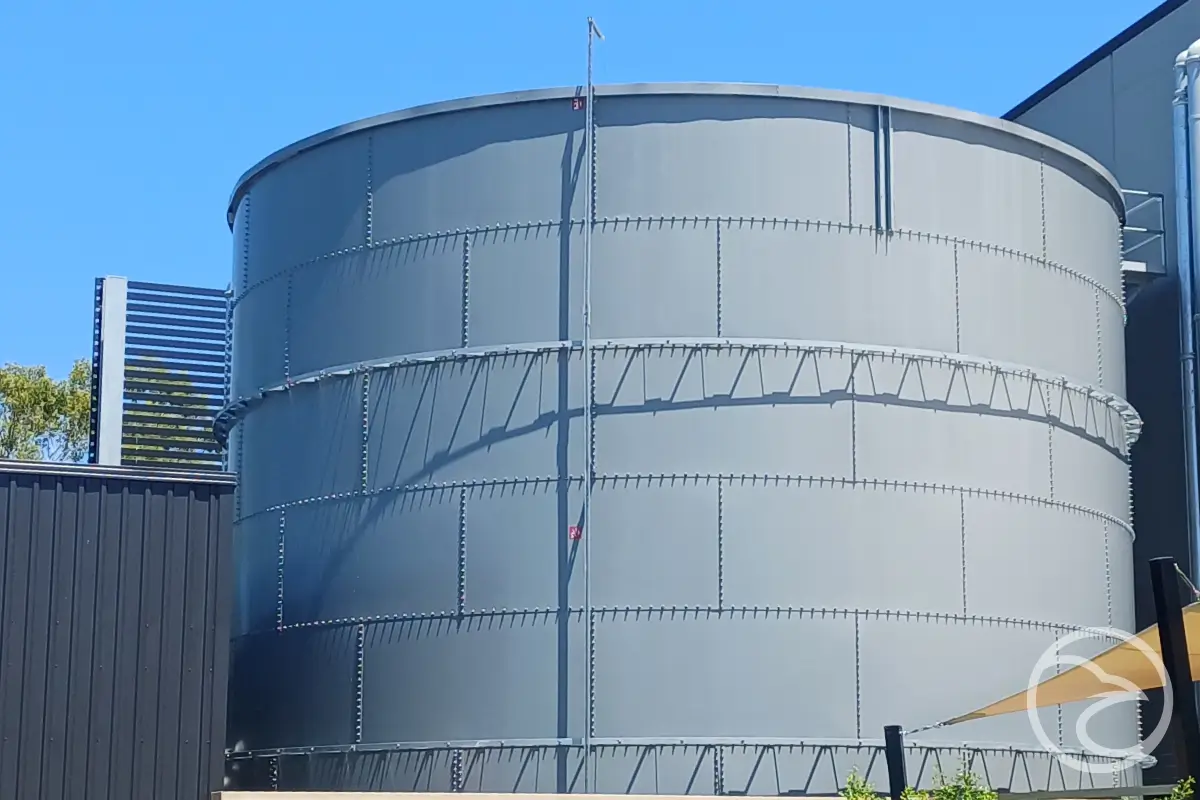
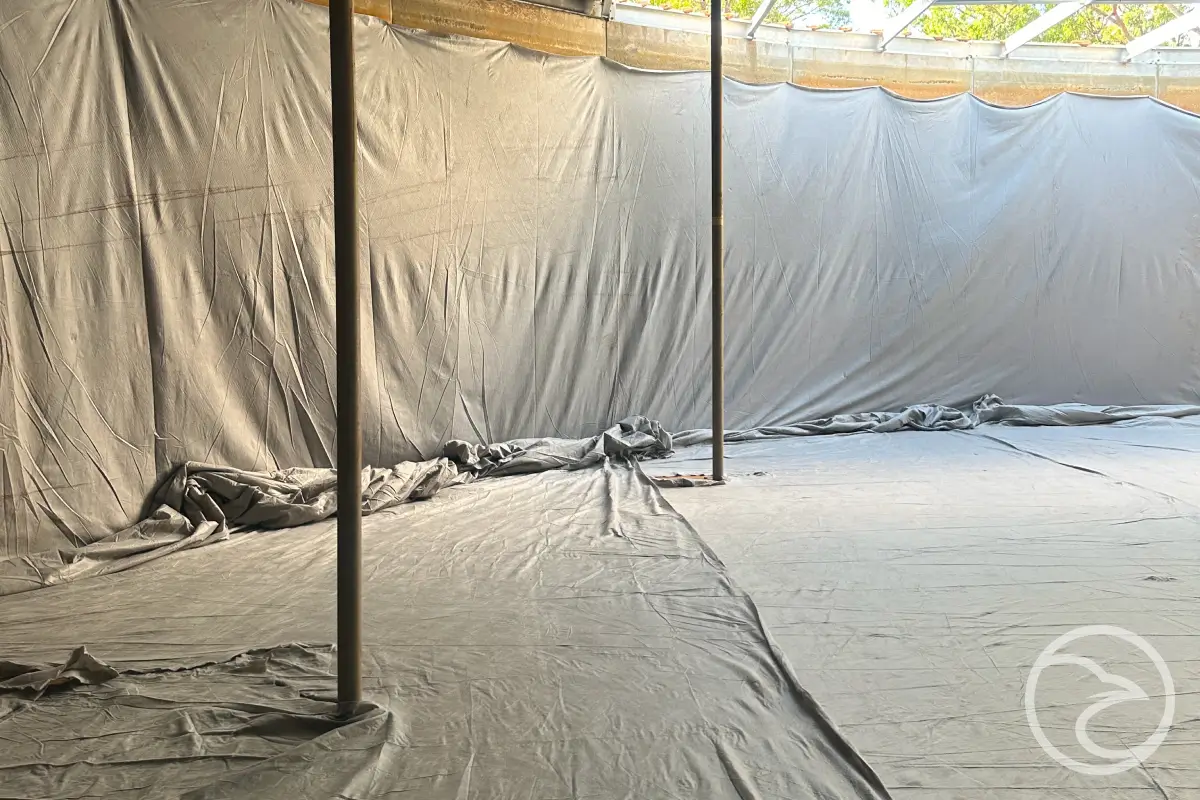
Concrete tanks are widely used for water storage. They are durable, but not completely waterproof.
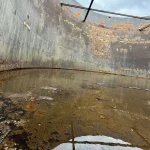
Over time, exposure to water can damage the internal surface. This affects both the structure and water quality.
That is why many systems rely on concrete water tank liners.
Why Concrete Tanks Need Internal Protection
Concrete is naturally porous. It allows small amounts of water to pass through. This may not be visible at first. However, the long-term impact can be serious.
Moisture can weaken the structure over time. It can also create conditions for contamination.
Without protection, even a strong tank can degrade faster than expected.
Key Benefits of Concrete Tank Lining
Installing a liner provides multiple advantages. It protects both the tank and the stored water.
Below are the most important benefits.
1. Prevents Water Penetration
Water penetration is one of the main causes of damage. Concrete absorbs moisture through tiny pores and cracks. A liner creates a sealed barrier inside the tank. It blocks water from entering the concrete structure.
This significantly reduces internal wear and tear.
2. Protects Structural Integrity
Continuous exposure to water weakens concrete. Cracks can form and expand over time. Tank lining reduces direct contact between water and concrete. This slows down deterioration.
As a result, the tank maintains its strength longer.
3. Improves Water Quality
Concrete can release minerals into stored water. This may affect taste, pH, and overall quality. A liner prevents this interaction. Water remains isolated from the concrete surface.
This helps maintain cleaner and more stable storage conditions.
4. Prevents Contamination from External Sources
Groundwater and soil can contain contaminants. These can enter through small cracks in the tank. Tank liners act as a protective shield. They block external substances from reaching the water.
This is especially important for potable water storage.
5. Reduces Leaks and Water Loss
Leaks are a common issue in unlined tanks. Even small gaps can lead to water loss. A liner creates a continuous, impermeable surface. This helps keep water contained inside the tank.
Reduced leakage also improves system efficiency.
6. Extends Tank Lifespan
Concrete repairs can be expensive and time-consuming. Preventing damage is always more cost-effective. Tank lining reduces the need for major repairs. It protects the tank from internal stress.
In many cases, it can extend the lifespan significantly.
7. Simplifies Maintenance
Unlined tanks can be difficult to clean. Surface damage makes maintenance more complex. Liners create a smoother internal surface. This makes cleaning faster and more efficient.
It also reduces the risk of recurring issues.
Many of these issues develop gradually. Understanding the signs you need a concrete tank liner can help you act before serious damage occurs.
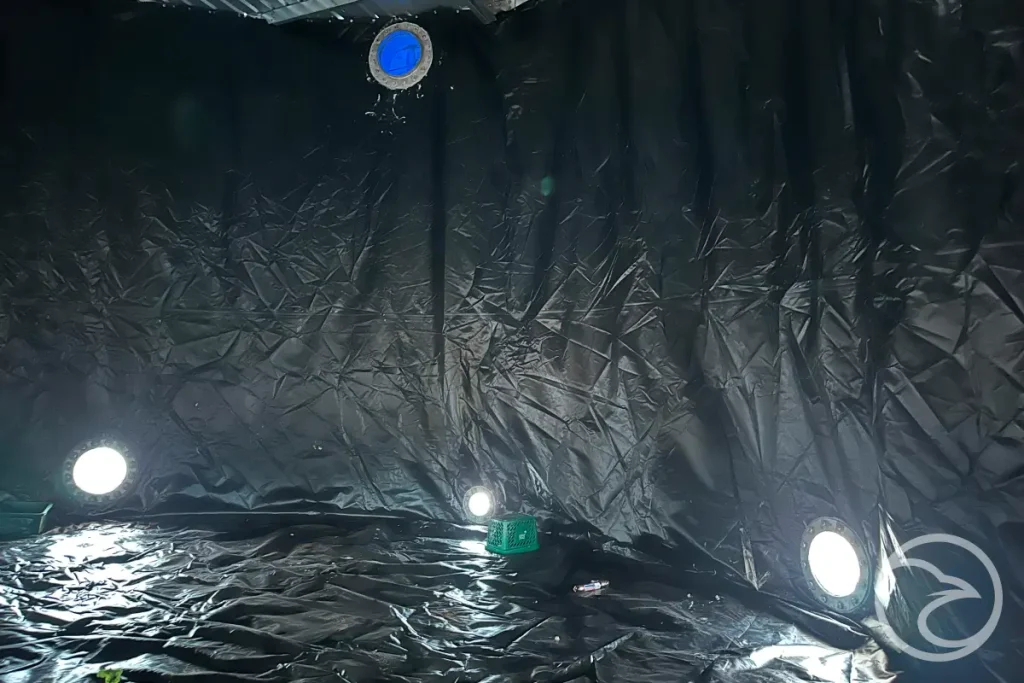
Types of Concrete Tank Liners
Different liner materials are available. Each option offers specific benefits.
Common types include:
- HDPE liners
- EPDM rubber liners
These materials are designed to resist water and chemicals. They also adapt to different tank shapes. Choosing the right material depends on usage and environment.
When Should You Install a Tank Liner
Tank lining can be installed in new or existing systems. However, timing can affect the results. It is best to install liners before major damage occurs. This ensures maximum protection from the start.
Older tanks can also be retrofitted. This helps restore performance and prevent further deterioration.
Conclusion
Concrete tanks are strong, but they need additional protection. Water exposure, contamination, and structural wear are real risks. Concrete tank lining provides a reliable solution. It protects the tank, improves water quality, and reduces maintenance.
If you want long-term performance, lining is a smart investment. To learn more about available systems, explore concrete tank liners.