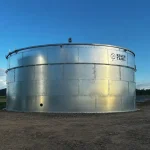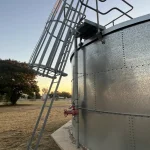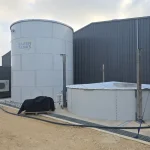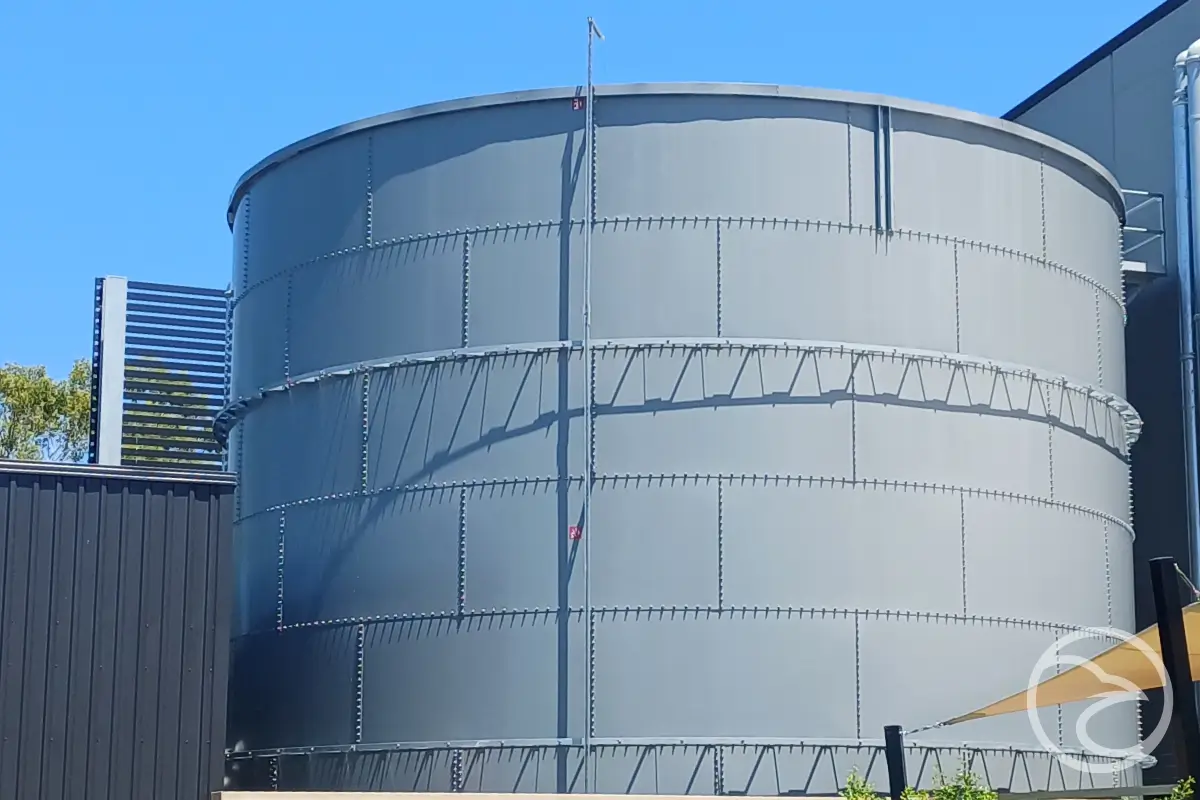
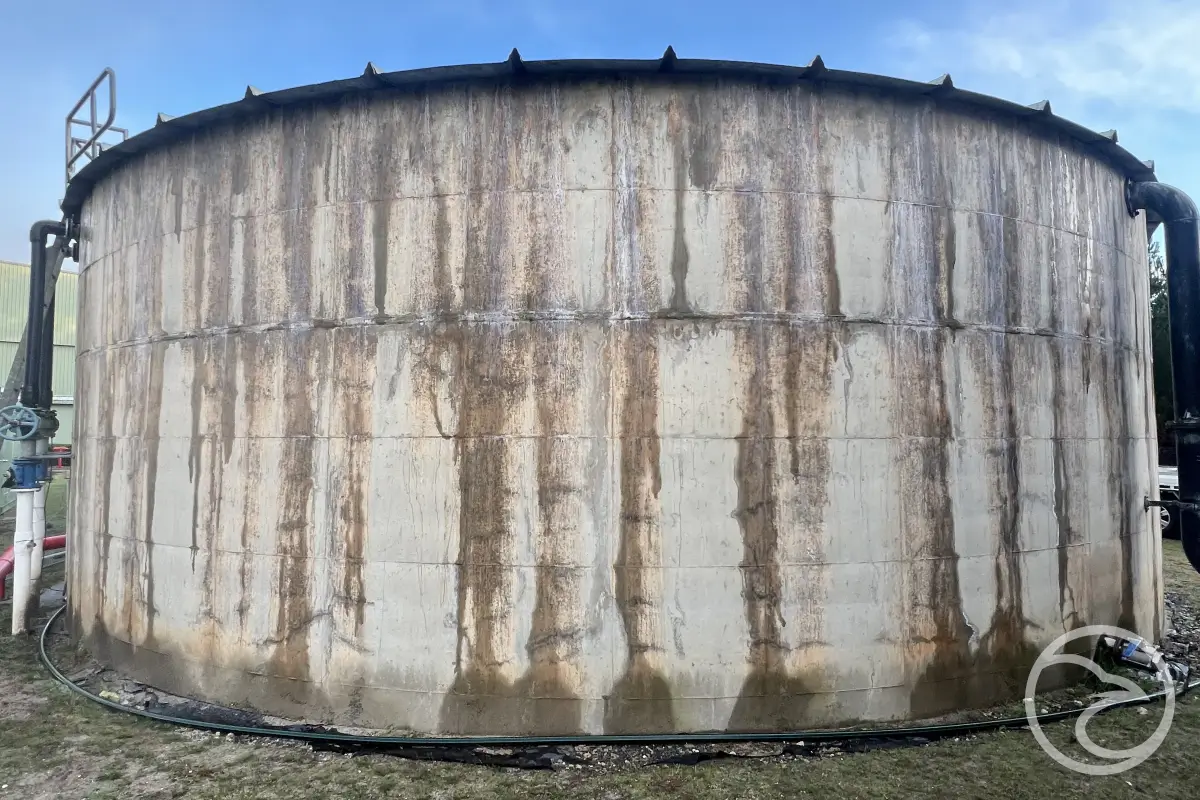
Concrete water tanks are widely used for long-term water storage in residential, agricultural, and industrial settings. Known for their strength and stability, these tanks are often chosen where durability is a priority. However, one of the most common questions people ask is how long concrete tanks actually last and what affects their lifespan over time.
In this article, we’ll explore the typical lifespan of concrete water tanks, the factors that influence their durability, and what can help extend their service life.
Average Lifespan of Concrete Water Tanks
In general, concrete water tanks can last anywhere from 20 to 50 years, depending on several conditions. In well-maintained environments, some tanks may even exceed this range. However, without proper care, their lifespan can be significantly shorter.
Unlike some other materials, concrete is not immune to wear. Over time, exposure to moisture, environmental changes, and chemical reactions can gradually affect its structure.
What Affects the Lifespan of Concrete Tanks?
Several key factors determine how long a concrete tank will remain functional:
1. Water Quality
The type of water stored inside the tank plays a major role. Water with high acidity or chemical content can slowly degrade concrete surfaces. This process may lead to internal erosion or microcracks.
2. Environmental Conditions
External conditions such as temperature fluctuations, humidity, and exposure to sunlight can impact durability. In colder climates, repeated freeze-thaw cycles can cause cracking. In hotter regions, thermal expansion may weaken the structure over time.
3. Construction Quality
The initial design and construction quality are critical. Poor mixing ratios, weak reinforcement, or improper curing can reduce the tank’s lifespan significantly.
Well-built concrete water storage tanks tend to perform much better over time, especially when proper engineering standards are followed.
4. Maintenance and Inspection
Regular inspection is one of the most important factors. Small cracks or leaks can often be repaired early, preventing larger structural problems.
Without maintenance, minor issues may develop into serious damage that shortens the tank’s lifespan.
5. Protective Coatings and Linings
Many modern tanks include internal coatings or liners to protect the concrete from direct contact with water. These layers help reduce corrosion, chemical exposure, and surface degradation.
Tanks without protective systems may deteriorate faster, especially in demanding environments.
Common Signs of Aging in Concrete Tanks
As concrete tanks age, certain signs may indicate wear or structural decline:
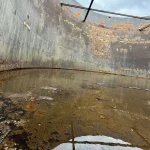
- Visible cracks on internal or external surfaces
- Water leakage or damp areas around the tank
- Surface scaling or flaking
- Discoloration caused by chemical reactions
- Reduced water tightness
Identifying these signs early can help prevent costly repairs or full replacement.
Well-built concrete water storage tanks tend to perform much better over time, especially when proper engineering standards are followed.
How to Extend the Lifespan of a Concrete Water Tank
Although concrete tanks naturally degrade over time, proper care can significantly extend their service life:
- Regular Inspections: Periodic checks allow early detection of cracks, leaks, or surface damage.
- Timely Repairs: Addressing small issues quickly prevents them from becoming major structural problems.
- Use of Liners or Coatings: Installing protective linings can reduce direct exposure to water and chemicals.
- Water Quality Management: Filtering or treating water can minimize chemical impact on the concrete surface.
- Professional Maintenance: Scheduled servicing by specialists ensures that the tank remains in safe working condition.
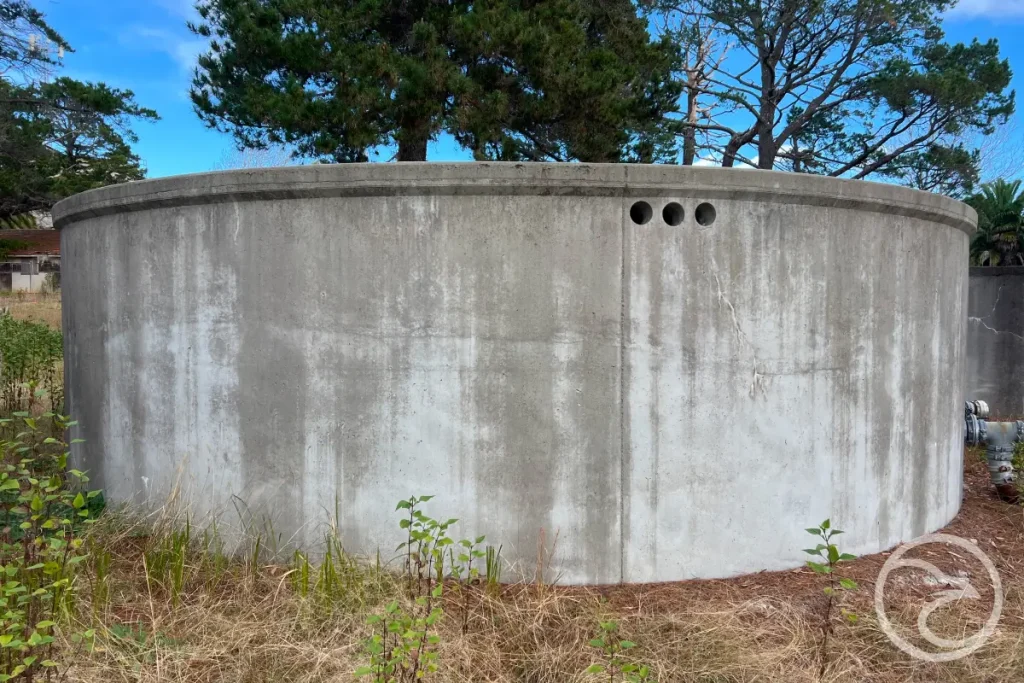
Are Concrete Tanks Still a Long-Term Solution?
Despite their limitations, concrete tanks are still considered a reliable option for long-term water storage. Their strength and ability to handle large volumes make them suitable for many applications.
However, newer materials and modular systems are increasingly used in situations where flexibility, faster installation, or lower maintenance are required. This is why some industries are exploring alternatives alongside traditional concrete solutions.
Conclusion
So, how long do concrete water tanks last? In most cases, they can serve effectively for 20 to 50 years, depending on construction quality, environmental conditions, and maintenance practices.
Understanding these factors is key to maximizing the lifespan of a tank and ensuring safe water storage over time. With proper care and regular inspections, concrete tanks can remain a dependable solution for decades.