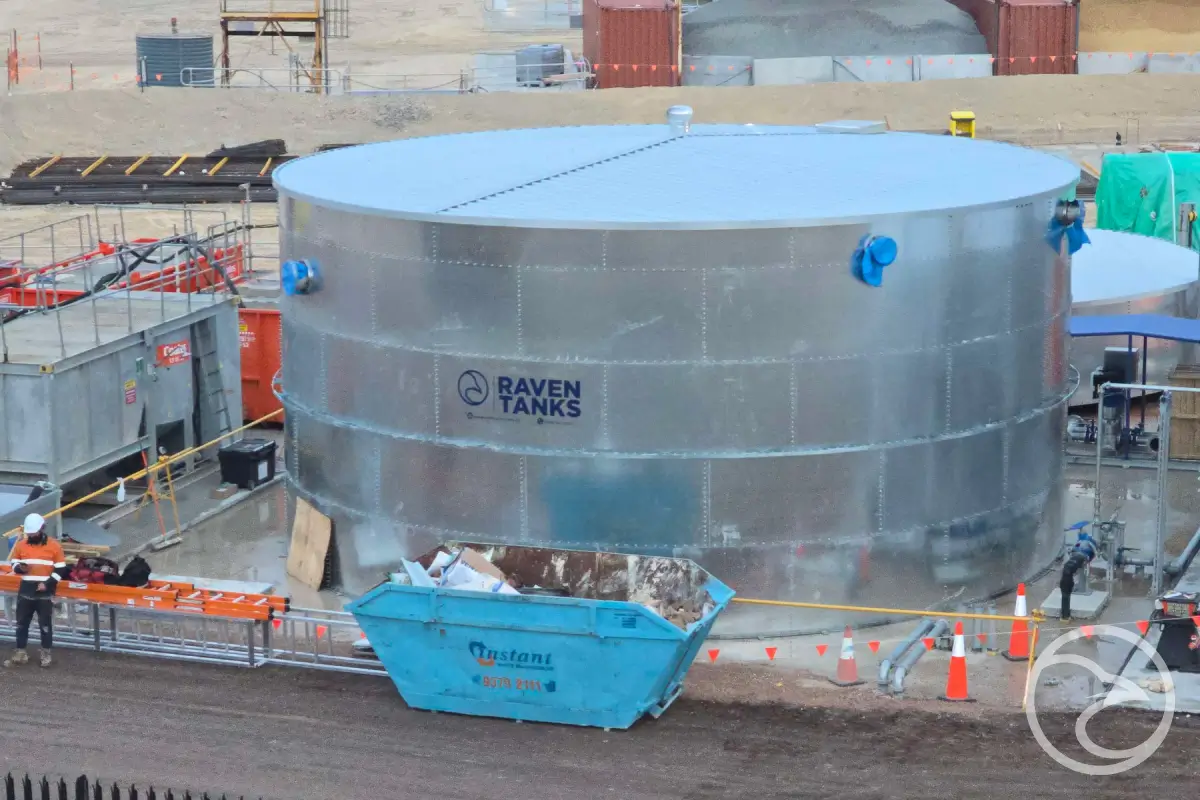
Industrial tanks are essential assets in many industries, from water storage to chemical processing. However, without proper care, even the most durable systems can degrade over time. Small issues can quickly turn into major failures if left unchecked.
That’s why preventive maintenance is critical. By following the right approach, you can extend the lifespan of your equipment, reduce risks, and minimize the need for expensive repairs or emergency interventions.
Below are practical preventive tank maintenance tips to help you keep your system in optimal condition.
1. Conduct Regular Visual Inspections
Routine visual checks are the first line of defense against tank failure. Even a quick inspection can reveal early warning signs of damage.
Look for:
- Corrosion or rust spots
- Leaks or moisture around the base
- Cracks or structural deformation
Regular inspections help identify problems before they escalate and reduce the need for major repairs.
2. Schedule Professional Inspections
While visual checks are useful, they are not enough on their own. Professional inspections provide a deeper evaluation of your tank’s condition.
Experts can assess:
- Internal corrosion
- Liner integrity
- Structural stability
Combining routine checks with professional assessments ensures a comprehensive maintenance strategy.
3. Clean the Tank Periodically
Over time, tanks accumulate sediment, sludge, and contaminants. This buildup can affect performance and accelerate internal damage.
Regular cleaning helps:
- Maintain water or material quality
- Prevent bacterial growth
- Reduce corrosion risks
The frequency of cleaning depends on the type of tank and its usage, but it should always be part of your maintenance plan.
4. Monitor and Maintain Tank Liners
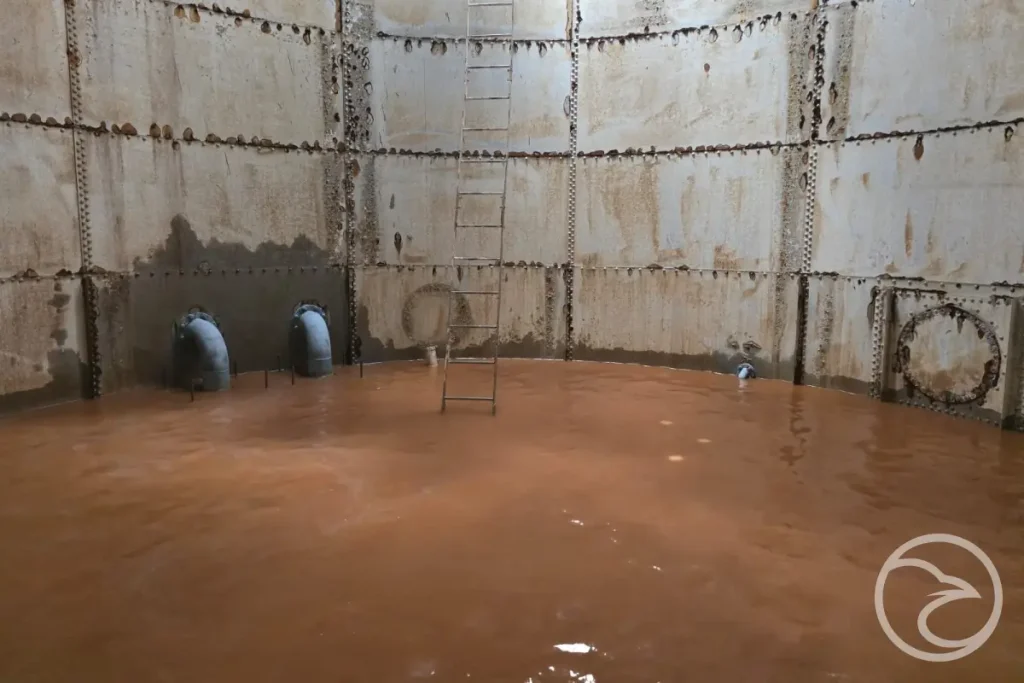
Tank liners act as a protective barrier between stored materials and the tank structure. When liners degrade, the risk of corrosion and leaks increases significantly.
Check for:
Peeling or blistering
- Peeling or blistering
- Discoloration
- Signs of wear
Repairing or replacing liners early can prevent more serious structural issues.
5. Protect Against Corrosion
Corrosion is one of the most common causes of tank failure. Preventive measures can significantly extend the life of your tank.
Effective strategies include:
- Applying protective coatings
- Using corrosion-resistant materials
- Controlling moisture and environmental exposure
Addressing corrosion early reduces long-term maintenance costs.
6. Maintain Proper Ventilation and Pressure
Improper pressure levels or poor ventilation can stress the tank structure and lead to deformation or damage.
Ensure:
- Vent systems are functioning correctly
- Pressure levels are within safe limits
- No blockages are affecting airflow
Maintaining balance inside the tank is crucial for structural integrity.
7. Inspect Valves, Pipes, and Connections
Tank performance depends not only on the tank itself but also on its connected components.
Check regularly for:
- Loose fittings
- Leaking valves
- Corroded pipes
Small issues in these areas can quickly escalate and affect the entire system.
8. Keep a Maintenance Schedule
A structured maintenance plan ensures that no critical checks are missed. Without a schedule, inspections and servicing can become inconsistent.
Your schedule should include:
- Routine visual inspections
- Professional assessments
- Cleaning intervals
- Component checks
To ensure long-term performance, many businesses rely on professional tank maintenance services to keep their systems in optimal condition.
9. Document All Maintenance Activities
Keeping detailed records helps track the condition of your tank over time. It also makes it easier to identify recurring issues and plan future maintenance.
Documentation should include:
- Inspection results
- Repairs performed
- Dates of maintenance activities
This data is valuable for long-term asset management.
10. Address Minor Issues Immediately
One of the most important preventive tank maintenance tips is simple: don’t ignore small problems. Minor issues such as small leaks or early corrosion can quickly worsen if left untreated.
Acting early helps:
- Avoid major repairs
- Reduce downtime
- Extend the lifespan of the tank
Proactive action always costs less than reactive repairs.
Why Preventive Maintenance Matters
Preventive maintenance is not just about avoiding problems – it’s about optimizing performance and ensuring safety.
Key benefits include:
- Reduced risk of failure
- Lower repair costs
- Improved operational efficiency
- Extended equipment lifespan
Investing in regular care today can save significant time and money in the future.
Final Thoughts
Industrial tanks require consistent attention to remain safe and efficient. By following these preventive tank maintenance tips – such as regular inspections, cleaning, corrosion control, and timely repairs—you can avoid costly breakdowns and extend the life of your system.
A proactive approach to maintenance ensures that your tank continues to perform reliably, even in demanding industrial environments.