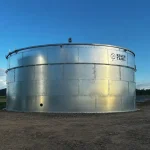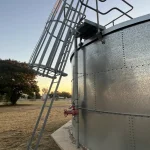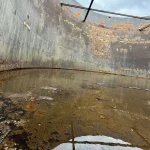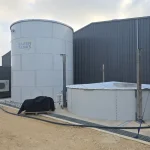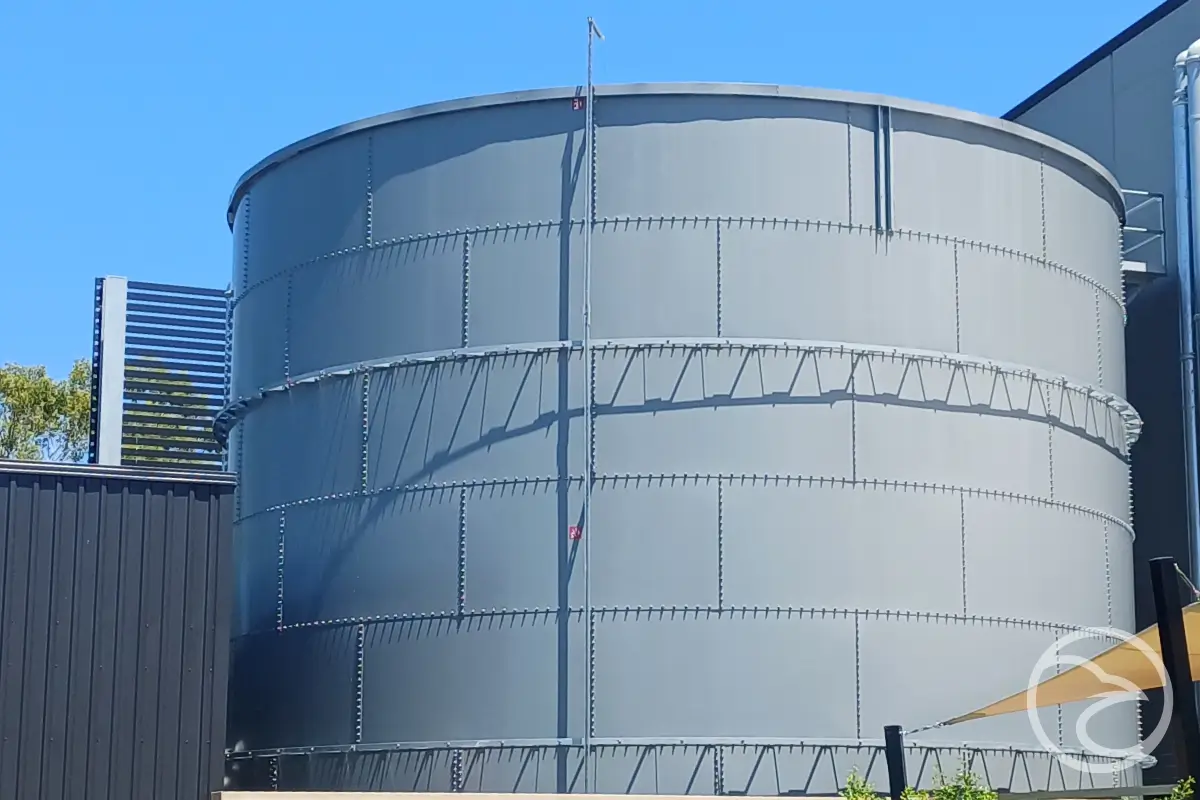
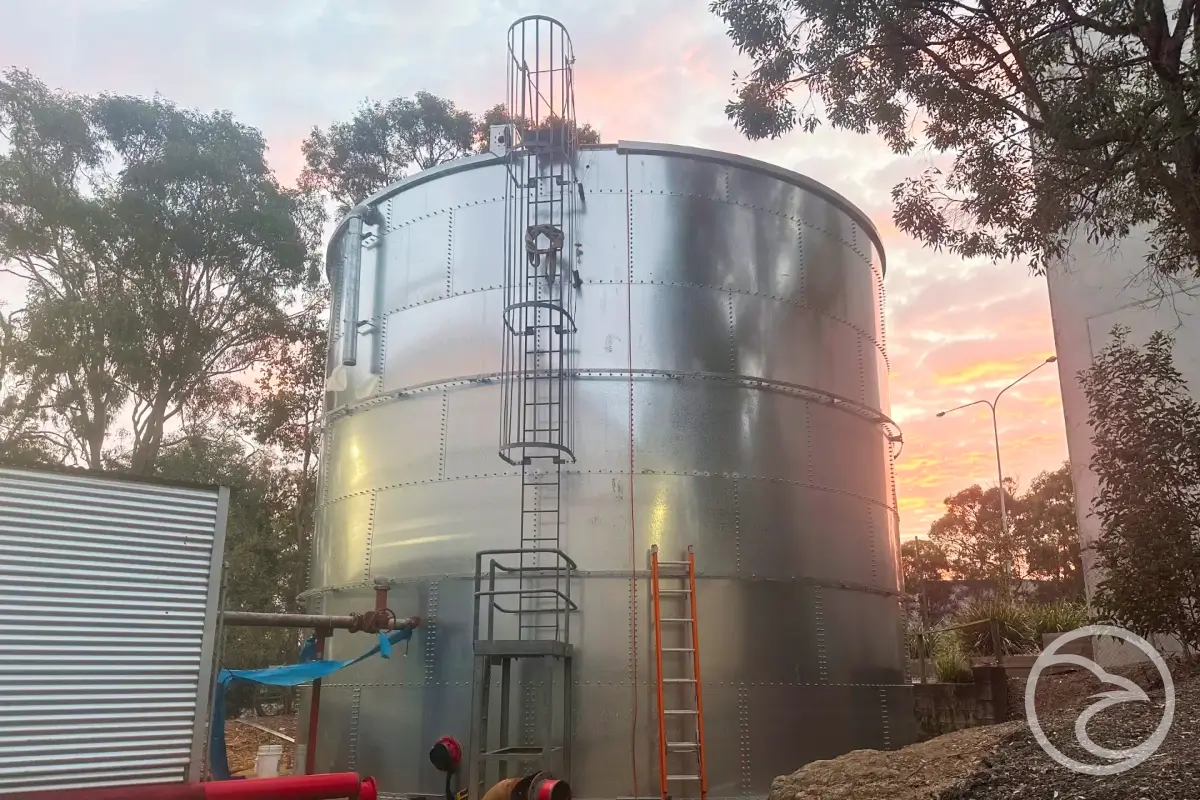
Galvanised steel tanks are designed to provide durable water storage across many applications. However, there is no single lifespan that applies to every galvanised steel tank.
Service life depends on the steel, zinc coating, stored water, environment, installation, and ongoing maintenance. Two similar tanks can therefore age at very different rates.
A tank in mild conditions may experience slower deterioration than one exposed to aggressive water or coastal conditions. Inspection and maintenance also influence how effectively emerging problems are managed.
Understanding these factors provides a better indication of longevity than relying on tank age alone. This guide explains what determines galvanised steel tank lifespan and which conditions can shorten or extend service life.
Is there a Typical Lifespan for a Galvanised Steel Tank?
It can be tempting to assign a fixed number of years to a galvanised steel tank. In practice, tank lifespan cannot be predicted accurately from age alone. Galvanised steel relies on zinc to protect the structural steel underneath.
That zinc coating gradually interacts with water, moisture, oxygen, salts, and other environmental factors. The rate of this interaction varies between tanks. Tank construction and operating conditions also influence long-term performance.
For example, one tank may experience mild atmospheric conditions and carefully controlled water quality. Another may face high humidity, coastal salts, frequent condensation, or aggressive water chemistry.
Their deterioration rates may be very different. Therefore, expected service life should always be considered alongside actual tank condition.
Why does Galvanised Steel Have a Long Service Life?
Steel provides the structural strength required for large water storage systems. However, unprotected steel can corrode when exposed to suitable environmental conditions. Galvanising adds a protective zinc coating to the steel.
This coating provides two important forms of protection. First, zinc creates a physical barrier between steel and the surrounding environment. This reduces direct contact with moisture and oxygen.
Second, zinc can provide sacrificial protection to small exposed areas of steel. Zinc is more electrochemically active than steel.
Under suitable conditions, it corrodes preferentially and helps protect the underlying material. This combination contributes significantly to the durability of galvanised steel components.
However, the zinc coating is not permanent. Its condition changes gradually throughout the tank’s service life.
Why Zinc Coating Thickness Matters
The zinc layer is central to galvanised steel performance. Its condition therefore influences how long protection can continue. A thicker suitable coating generally provides more zinc before the underlying steel becomes exposed.
However, coating thickness is only one part of the lifespan equation. Environmental conditions influence how quickly zinc is consumed. A coating in relatively mild conditions may deteriorate slowly.
The same coating may behave differently under more aggressive exposure. Coating continuity is also important. Local damage can expose areas of steel even when surrounding galvanising remains intact.
Tank lifespan should therefore never be estimated from coating thickness alone. Condition and exposure need to be considered together.
How does Water Quality Affect Tank Lifespan?
The stored water is one of the most important parts of a tank’s operating environment. Water chemistry can influence how zinc behaves over time.
Relevant characteristics may include:
- pH levels.
- Dissolved salts.
- Chloride concentrations.
- Water temperature.
- Mineral content.
- Other dissolved substances.
- Changes in water source.
These conditions are not identical across every water supply. A tank’s internal environment can also change during its service life. For example, the source or treatment of stored water may change.
Operating conditions can change as well. These changes can influence how internal surfaces behave. Where unusual deterioration occurs, water characteristics may form part of the investigation.
Does pH Affect Galvanised Steel?
Water pH can influence zinc corrosion behaviour. Highly acidic or highly alkaline conditions may create more aggressive environments for galvanised surfaces.
However, pH should not usually be considered in isolation. Other dissolved substances can influence overall water chemistry. Temperature and exposure duration can also affect material behaviour.
For this reason, a single water measurement rarely explains every corrosion problem. Patterns over time can provide more useful information.
Changes in water chemistry may also help explain unexpected changes in tank condition.
How does Salt Exposure Affect Service Life?
Chloride exposure can create more aggressive conditions for galvanised steel. This makes salt relevant to both internal and external tank environments. Internally, chloride levels can depend on the stored water.
Externally, airborne salts can affect tanks located in coastal environments. Direct seawater exposure presents another set of conditions. Salt does not automatically mean rapid tank failure.
The level, frequency, and duration of exposure all matter. Local climate also affects how long salts and moisture remain on surfaces.
For example, repeated wetting and drying may create different conditions from continuous immersion. Tank location should therefore form part of any lifespan assessment.
Do Coastal Environments Shorten Galvanised Tank Life?
Coastal locations can expose tanks to airborne chlorides carried from marine environments. However, coastal exposure is not identical at every site.
Several factors influence actual conditions.
These can include:
- Distance from the coastline.
- Prevailing winds.
- Local topography.
- Rainfall.
- Humidity.
- Shelter from surrounding structures.
- Salt deposition.
- Surface drying conditions.
Two tanks within the same coastal region may therefore experience different exposure levels. Site-specific conditions are more useful than broad location labels.
Inspection findings can help show how those conditions are affecting the tank.
How does Moisture Affect Galvanised Steel?
Moisture is an important part of corrosion processes. However, the duration and location of moisture exposure also matter. A surface that dries effectively may behave differently from one that remains persistently damp.
Water can become trapped around certain construction details. Condensation may also create repeated moisture exposure. Poor drainage can increase the time some surfaces remain wet.
These conditions can affect particular areas more severely than the rest of the tank. Common locations requiring attention can include joints, connections, penetrations, and sheltered surfaces.
Correcting persistent moisture problems can therefore form an important part of tank maintenance.
Can Wet Storage Stain Affect Tank Longevity?
Wet storage stain can develop on newly galvanised steel under certain moisture conditions. It often appears as white or light-coloured corrosion products. The condition is associated with zinc surfaces exposed to persistent moisture and limited ventilation.
Light wet storage stain does not automatically indicate structural failure. However, severe conditions can consume more of the zinc coating. The extent of the affected area therefore matters.
The underlying cause should also be identified. Improving drainage, ventilation, or storage conditions may help prevent continued exposure.
Where significant coating loss is suspected, further assessment may be appropriate.
How does the External Environment Influence Lifespan?
The outside of a tank experiences a different environment from its internal surfaces. Atmospheric conditions can therefore influence external coating performance. Humidity, rainfall, industrial contaminants, and airborne salts can all affect exposure.
Sheltered surfaces may also behave differently from openly exposed surfaces. Some areas receive regular rain washing. Others may accumulate contaminants or remain damp for longer periods.
Nearby vegetation or structures can influence airflow and drying. Site drainage can also affect moisture around lower tank areas.
For this reason, external deterioration may not occur uniformly across the tank. Local patterns can provide valuable information about environmental causes.
Does Physical Damage Reduce Tank Life?
Galvanised coatings can be damaged during transportation, installation, maintenance, or later modifications. Scratches may remove part of the protective zinc layer. Cutting, drilling, and welding can also alter the original coating.
The consequences depend on the severity and location of the damage. Small affected areas may receive some sacrificial protection from surrounding zinc. Large exposed areas present different conditions.
Repeated mechanical damage can create additional concerns. Damaged areas should therefore be assessed rather than ignored.
Suitable repair can help restore protection where intervention is required.
Why are Tank Joints and Fasteners Important?
Tank lifespan is not determined only by the condition of large panel surfaces. Connections and smaller construction details also matter. Fasteners, joints, penetrations, and panel edges can experience localised exposure conditions.
Moisture may remain around some details longer than surrounding surfaces. Different materials may also come into contact at connections. Localised corrosion can therefore develop even when most panels remain in good condition.
Inspection should include these areas whenever they are accessible. Changes around connections can provide early evidence of developing problems.
How does Installation Affect Long-Term Performance?
Good materials can still perform poorly when installation creates unfavourable conditions. Tank installation influences drainage, connections, sealing, structural loading, and accessibility. Incorrect installation may also damage protective surfaces.
Site preparation can affect conditions around the base of the tank. Poor drainage may encourage persistent moisture. Later modifications can introduce similar problems.
New penetrations, fittings, or structural changes can alter original protective systems. Installation records can therefore provide useful context when investigating deterioration.
The history of a tank matters almost as much as its age.
What are the Warning Signs of an Ageing Galvanised Tank?
Ageing does not always produce obvious damage immediately. Some changes develop gradually.
Regular inspections can identify these changes before they become extensive.
Potential warning signs include:
- Red-brown corrosion.
- Significant white corrosion products.
- Visible zinc coating loss.
- Localised corrosion around connections.
- Damaged panel surfaces.
- Persistent moisture.
- Deterioration around penetrations.
- Changes around previous repairs.
- Uneven deterioration between panels.
- Leakage or signs of water escape.
One observation does not necessarily indicate widespread tank failure. The pattern, severity, and progression of deterioration provide more useful information.
Comparing findings with previous inspections can be particularly valuable.
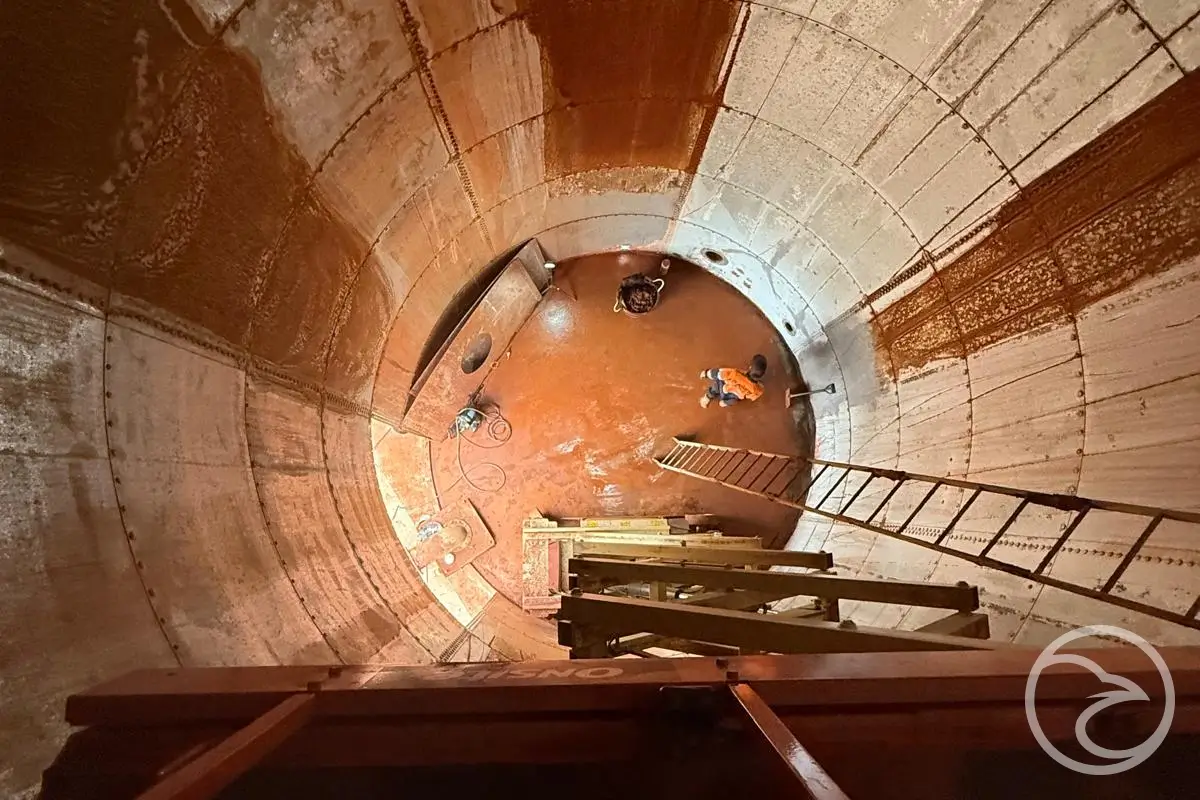
Does Rust Mean the Tank Has Reached the end of its Life?
Not necessarily. Visible corrosion requires investigation, but it does not automatically determine remaining service life. The type and location of corrosion matter.
Small localised areas differ from widespread material deterioration. The depth of material loss also matters. Structural condition, coating condition, and the tank’s intended function should all be considered.
The underlying cause should also be identified. For example, local moisture accumulation may create deterioration around one connection. Correcting that condition may help prevent further damage.
A condition assessment can provide better information than visual appearance alone.
Understanding galvanised steel tank corrosion can help explain how zinc protection and environmental exposure influence long-term tank performance.
Why Regular Inspections Matter for Tank Lifespan
Regular inspections help establish how tank condition changes over time. This is particularly important because deterioration may be localised. Early coating damage can be easier to manage than extensive corrosion.
Inspections can identify changes involving:
- Galvanised surfaces.
- Panel joints.
- Fasteners.
- Penetrations.
- Previous repairs.
- Internal components.
- Moisture accumulation.
- Corrosion products.
- Structural elements.
Inspection records also create a history of tank condition. That history can help distinguish stable surface changes from active deterioration.
It can also support better maintenance planning.
Can Maintenance Extend the Service Life of Galvanised Steel Tanks?
Maintenance can help control conditions that contribute to deterioration. However, effective maintenance should address causes rather than only visible symptoms. For example, treating corrosion without correcting persistent moisture may provide only temporary improvement.
Maintenance can involve different actions depending on tank condition.
These may include:
- Cleaning affected areas.
- Improving drainage.
- Addressing moisture sources.
- Repairing damaged protective coatings.
- Replacing deteriorated components.
- Correcting unsuitable connections.
- Monitoring previously affected areas.
The appropriate response depends on the cause and severity of deterioration. Repairs should also be compatible with the existing materials and intended tank use.
Why Previous Repairs Matter
A repaired area becomes part of the tank’s condition history. The quality and compatibility of that repair can influence future performance. Some repairs address only visible deterioration.
Others correct the underlying environmental or construction issue. The distinction is important. Repeated corrosion around the same area may indicate that the original cause remains present.
Inspection should therefore consider previous repairs separately from untouched surfaces. Documentation can help determine when work occurred and why.
This information becomes increasingly useful as the tank ages.
Repair or Replacement: what Determines the Decision?
Tank age alone should not determine whether repair or replacement is appropriate. An older tank may still retain substantial serviceable material. A newer tank can develop significant local problems under unfavourable conditions.
Assessment should instead consider the actual condition of the system.
Relevant factors can include:
- Extent of corrosion.
- Location of deterioration.
- Remaining material condition.
- Coating condition.
- Structural significance.
- History of repairs.
- Water storage requirements.
- Accessibility for repair.
- Expected future exposure.
These factors help establish whether deterioration is isolated or more extensive. They also provide context for planning future maintenance.
How can Tank Owners Support Longer Service Life?
There is no single action that guarantees maximum tank lifespan. Long-term performance usually depends on several smaller practices working together. Tank owners and facility managers can support service life by monitoring changing conditions.
Useful practices include maintaining inspection records and investigating unexpected deterioration. Water quality changes should also be considered when they affect tank exposure. Persistent moisture should not be ignored.
Damage caused during maintenance or modifications should be assessed promptly. Previous repairs should remain part of future inspections.
These practices help create a clearer understanding of how the tank is ageing.
Why Condition Matters More than Tank Age
A tank’s installation date provides useful background information. However, age does not describe everything that has happened since installation. Exposure conditions can change.
Water sources can change. Components can be repaired or replaced. The surrounding environment can also become more aggressive or more favourable.
Two tanks installed during the same year can therefore have very different conditions today. This is why condition-based assessment is important.
It considers what is actually happening to the tank rather than relying on calendar age.
Understanding the Lifespan of Galvanised Steel Tanks
The lifespan of galvanised steel tanks depends on more than the durability of steel itself. The zinc coating provides essential corrosion protection throughout the tank’s service life. However, its performance depends on the conditions surrounding it.
Water chemistry, salts, moisture, physical damage, installation, and environmental exposure can all influence deterioration. Inspection and maintenance add another important layer.
They can identify developing issues and help address their causes before deterioration becomes more extensive.
For projects requiring durable water storage, galvanised steel tanks combine structural steel with protective zinc coating across many applications.
Their remaining service life should still be evaluated through condition, exposure, and maintenance history. Ultimately, the most useful question is not simply how old a galvanised steel tank is.
The better question is how effectively its materials and protective systems are performing today.