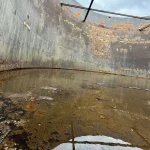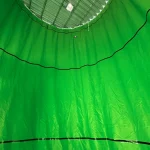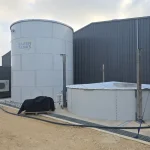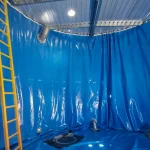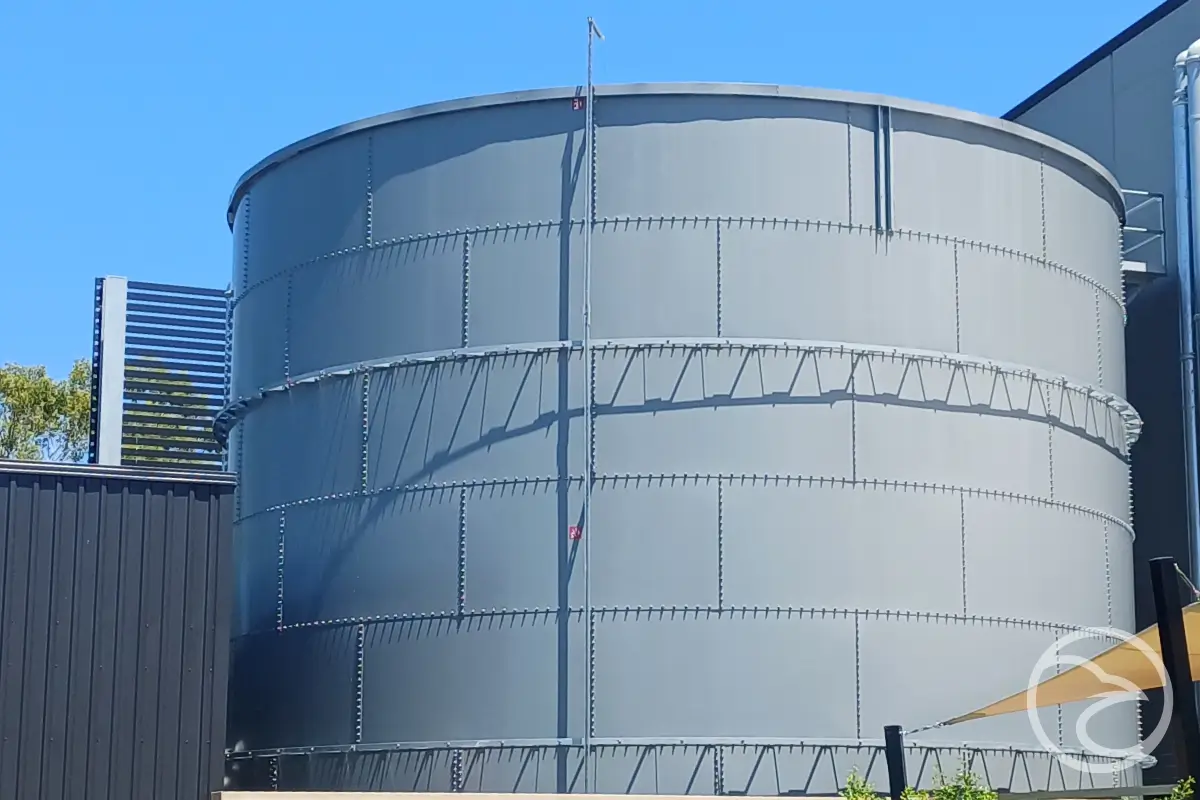
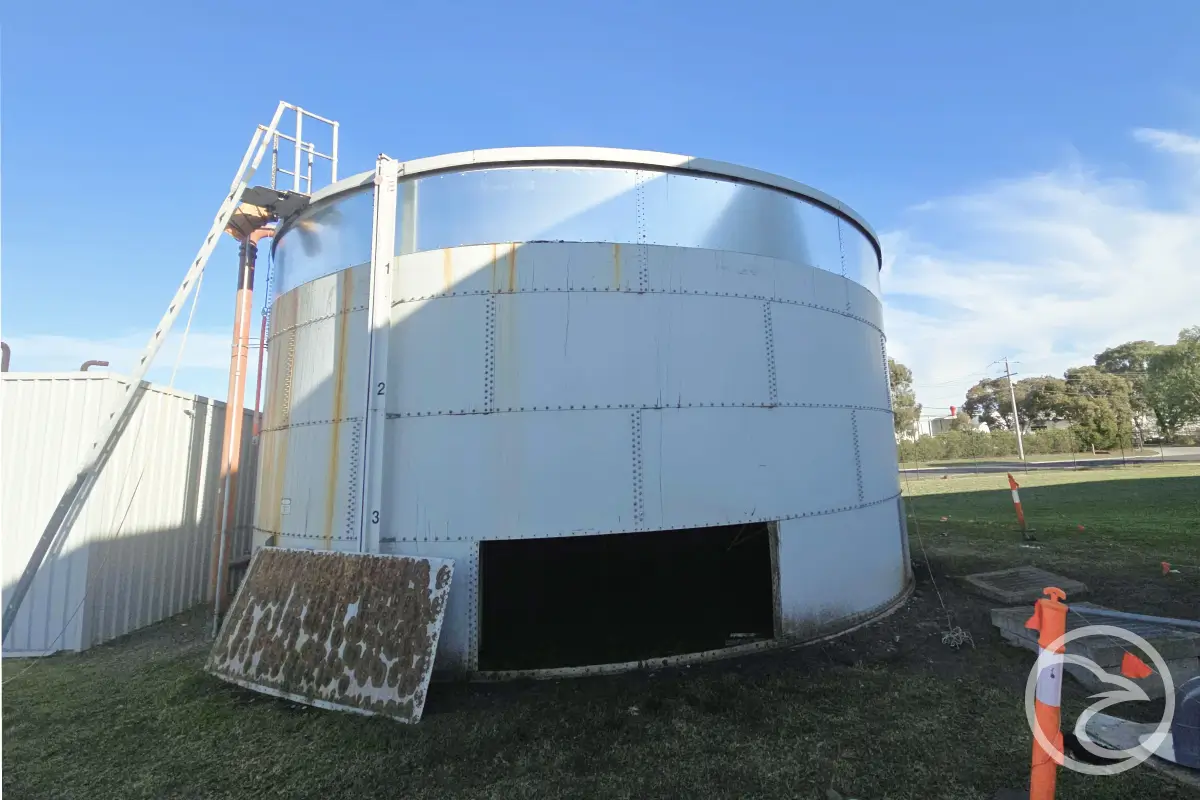
Panel water tanks are widely used across industrial, commercial, and municipal applications due to their flexibility, scalability, and durability. However, like any engineered system, they are not immune to damage. Over time, various internal and external factors can affect the structural integrity of tank panels.
Understanding the root causes of panel tank damage is essential for preventing costly failures and extending the life of your water storage system.
Why Panel Tanks are Vulnerable Over Time
Panel tanks are built from multiple interconnected sections, which makes them highly adaptable but also introduces potential weak points. Each joint, seal, and panel connection must remain secure to ensure proper performance.
Unlike monolithic tanks, sectional systems are more exposed to:
- Joint stress
- Seal degradation
- Uneven pressure distribution
Because of this, even minor issues can gradually lead to more significant structural problems if left unaddressed.
1. Corrosion and Material Degradation
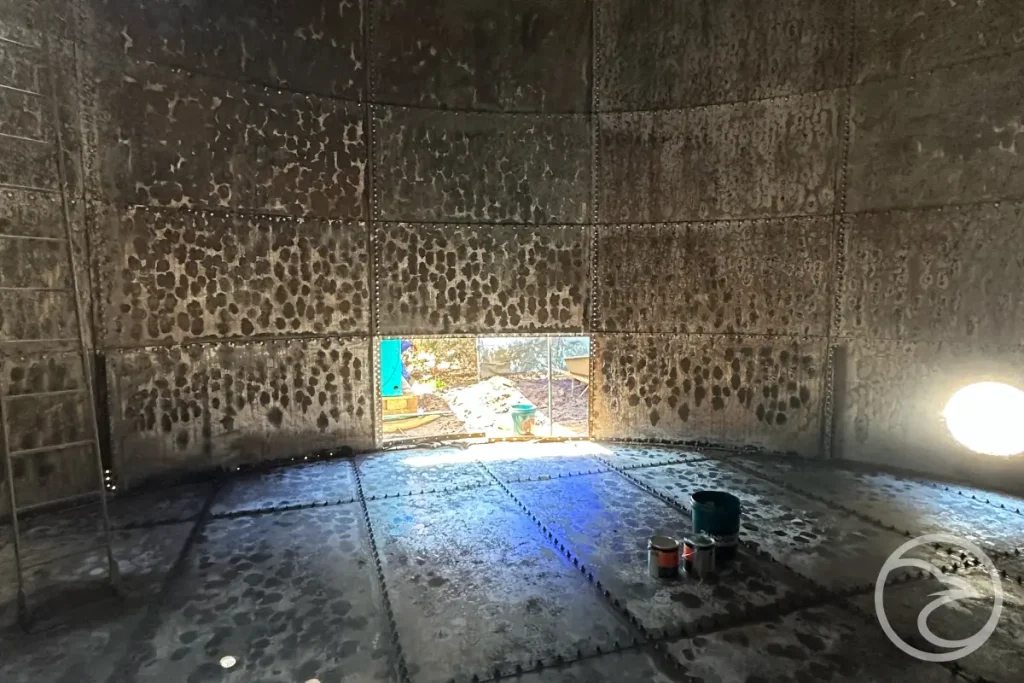
One of the most common causes of damage is corrosion, especially in steel panel tanks. Exposure to moisture, oxygen, and chemicals can gradually break down protective coatings.
Typical signs include:
- Rust formation on panel surfaces
- Flaking or peeling coatings
- Thinning of the metal
Corrosion often starts at joints and edges, where protective layers are weakest. Over time, this can compromise individual panels and lead to leaks.
Preventive measures:
- Regular inspections
- Protective coatings and linings
- Corrosion-resistant materials
2. Poor Installation Practices
Improper installation is a hidden but serious risk factor. If panels are not aligned correctly or fastened securely, the entire structure can be affected.
Common installation-related issues:
- Uneven panel alignment
- Loose bolts or fixings
- Improper sealing between sections
These issues may not be immediately visible but can lead to stress concentrations and early failure of specific panels.
Ensuring that tanks are installed by experienced professionals significantly reduces long-term risks.
3. Excessive Internal Pressure
Water tanks are designed to handle specific load capacities. When these limits are exceeded, stress is distributed unevenly across panels.
This can happen due to:
- Overfilling
- Pumping system malfunctions
- Pressure surges
Excessive pressure can cause:
- Panel deformation
- Joint failure
- Cracking in rigid materials
Installing proper monitoring systems and pressure controls can help prevent these issues.
4. Environmental and Weather Conditions
External conditions play a major role in the lifespan of panel tanks. Exposure to harsh environments can accelerate wear and damage.
Key factors include:
- UV radiation
- Temperature fluctuations
- Heavy rainfall or humidity
- Wind loads
Over time, these conditions can weaken materials, degrade seals, and affect the stability of the structure.
Protective strategies:
- UV-resistant coatings
- Insulation where needed
- Regular environmental assessments
5. Foundation and Support Issues
A stable foundation is critical for any tank system. If the base shifts or becomes uneven, it can place additional stress on specific panels.
Warning signs:
- Uneven tank alignment
- Gaps between panels
- Visible tilting
Foundation problems can lead to structural distortion, making certain panels more vulnerable to failure.
Routine checks of the base structure are essential to maintain overall stability.
6. Aging Seals and Gaskets
Seals and gaskets are essential for keeping panel tanks watertight. Over time, these components can degrade due to constant exposure to water and environmental conditions.
Common problems:
- Hardening or cracking of seals
- Loss of elasticity
- Leakage at panel joints
Even if the panels themselves remain intact, failing seals can create persistent leaks and weaken connections between sections.
Replacing worn sealing components at the right time can prevent more serious issues.
7. Lack of Regular Maintenance
One of the most overlooked factors is simple neglect. Without regular maintenance, small issues can go unnoticed until they become major problems.
Typical consequences:
- Undetected corrosion
- Progressive joint failure
- Accumulation of debris or sediment
A proactive maintenance schedule helps identify risks early and ensures the system continues to perform efficiently.
How to Prevent Panel Tank Damage
Preventing damage is always more cost-effective than fixing it later. A combination of proper installation, routine inspections, and timely upgrades can significantly extend the lifespan of your tank.
Key prevention strategies:
- Schedule regular inspections
- Monitor water levels and pressure
- Maintain protective coatings
- Replace worn seals and components
- Address minor issues before they escalate
In cases where a specific section becomes compromised, targeted solutions such as panel tank replacement can restore the tank without the need for a complete system overhaul.
When to Take Action
Recognizing early warning signs and understanding the underlying causes allows you to act before serious damage occurs.
If you notice:
- Persistent leaks
- Visible corrosion or deformation
- Repeated issues in the same area
It may be time to assess whether individual panels need attention. Addressing problems at the panel level is often the most efficient way to maintain the overall system.
Final Thoughts
Panel tanks are reliable and versatile, but their performance depends on proper care and timely intervention. By understanding the causes of panel tank damage, you can take proactive steps to prevent failures and extend the life of your system.
From environmental exposure to installation quality and maintenance practices, each factor plays a role in the long-term condition of your tank. Staying ahead of potential issues ensures not only operational efficiency but also long-term cost savings.