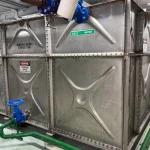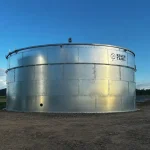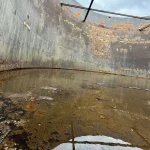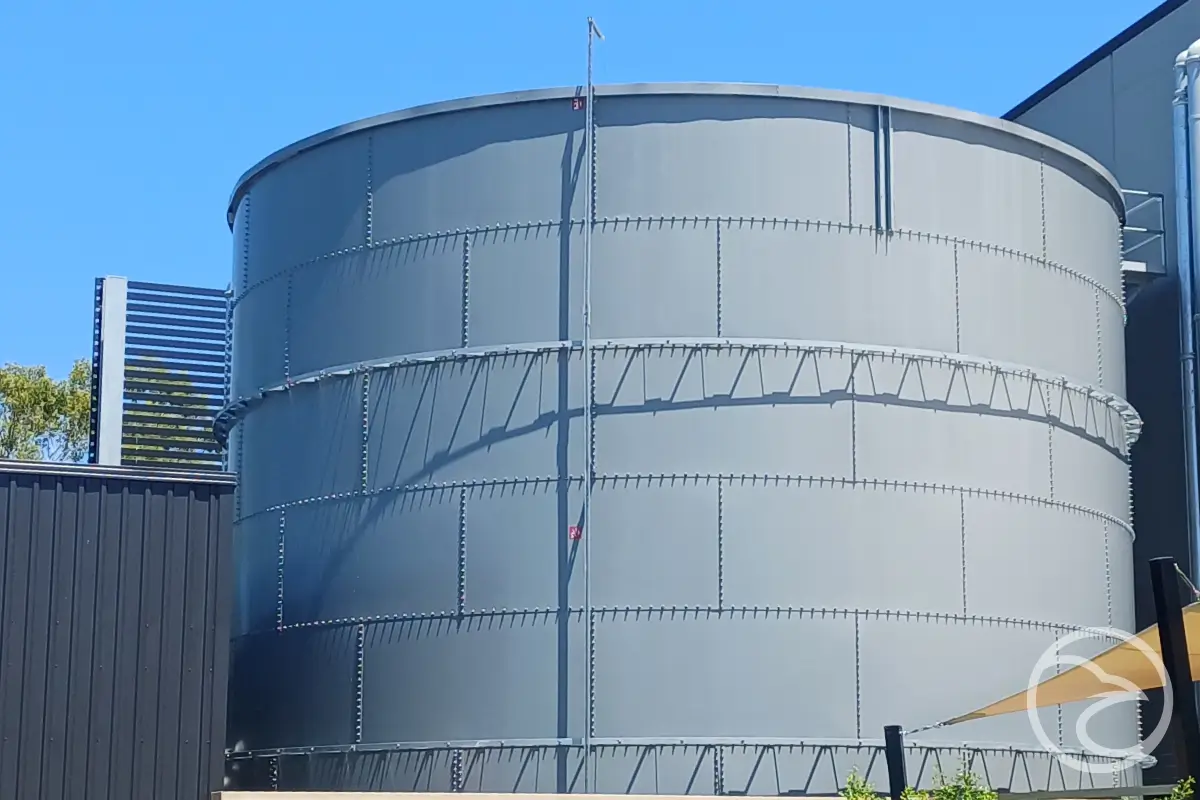
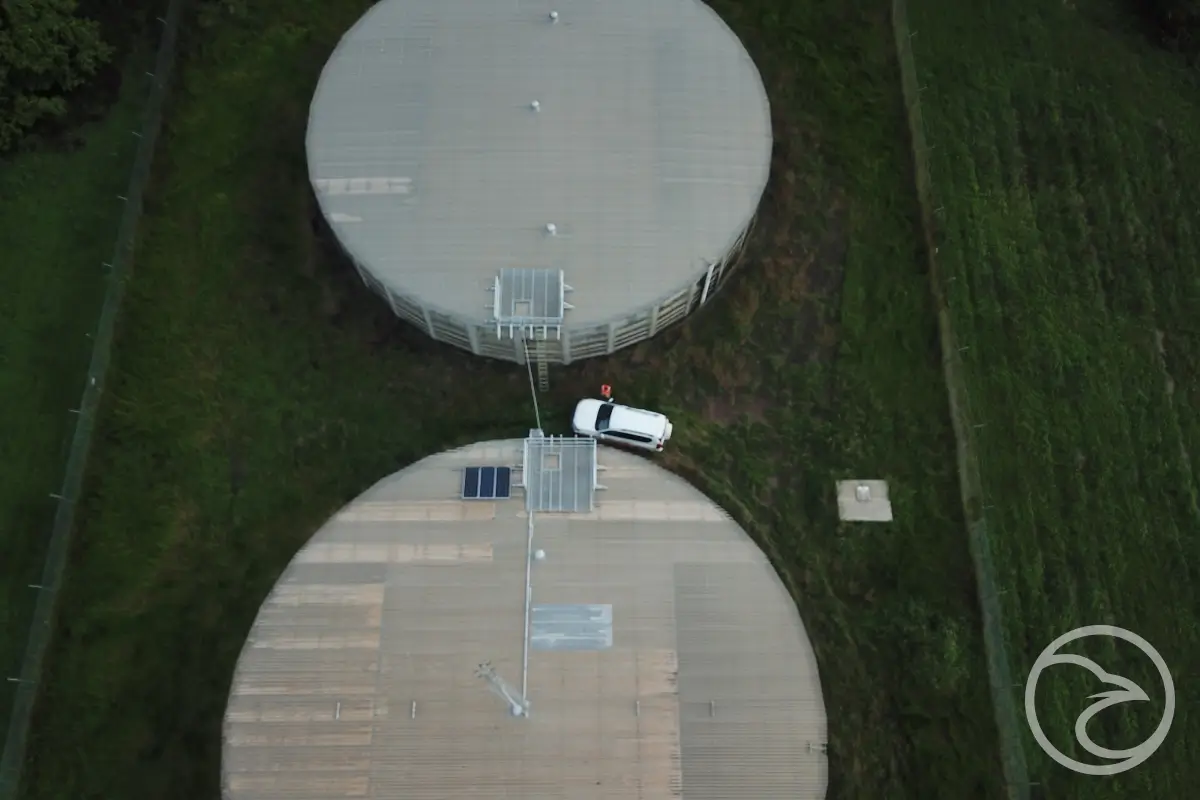
Wastewater storage tanks require consistent maintenance to operate efficiently. Small issues often develop unnoticed and lead to costly failures.
A structured checklist helps identify problems early and ensures long-term system performance.
This guide provides a practical maintenance checklist for wastewater storage systems.
Why Maintenance is Critical for Wastewater Tanks
Wastewater tanks operate in harsh conditions. Constant exposure to chemicals, pressure, and waste materials accelerates wear.
Without regular maintenance, these factors weaken structural integrity. Over time, minor defects can turn into leaks or system breakdowns.
Preventive maintenance reduces risk and extends the lifespan of wastewater storage tanks.
How Often Should You Perform Maintenance?
Maintenance frequency depends on usage, tank size, and environmental conditions.
Most facilities follow:
- monthly visual checks
- quarterly inspections
- annual detailed assessments
Additional checks are recommended after extreme weather or operational changes. Consistent scheduling helps detect early warning signs.
Wastewater Storage Tank Maintenance Checklist
A structured checklist ensures no critical area is overlooked.
1. Inspect Tank Surfaces
Check internal and external surfaces for visible damage.
Look for:
- cracks or fractures
- corrosion or chemical wear
- discoloration or staining
These signs often indicate early deterioration.
2. Check for Leaks and Moisture
Leaks can develop gradually and remain hidden.
Watch for:
- wet areas around the tank
- unexplained fluid loss
- unusual odors
Early leak detection prevents structural damage.
3. Examine Seams and Joints
Seams are common failure points in storage tanks.
Inspect for:
- separation or gaps
- weakened seals
- signs of stress
Damaged seams should be addressed immediately.
4. Assess Structural Stability
Evaluate the overall condition of the tank.
Check for:
- bulging walls
- uneven surfaces
- shifting or misalignment
These issues may indicate internal pressure problems.
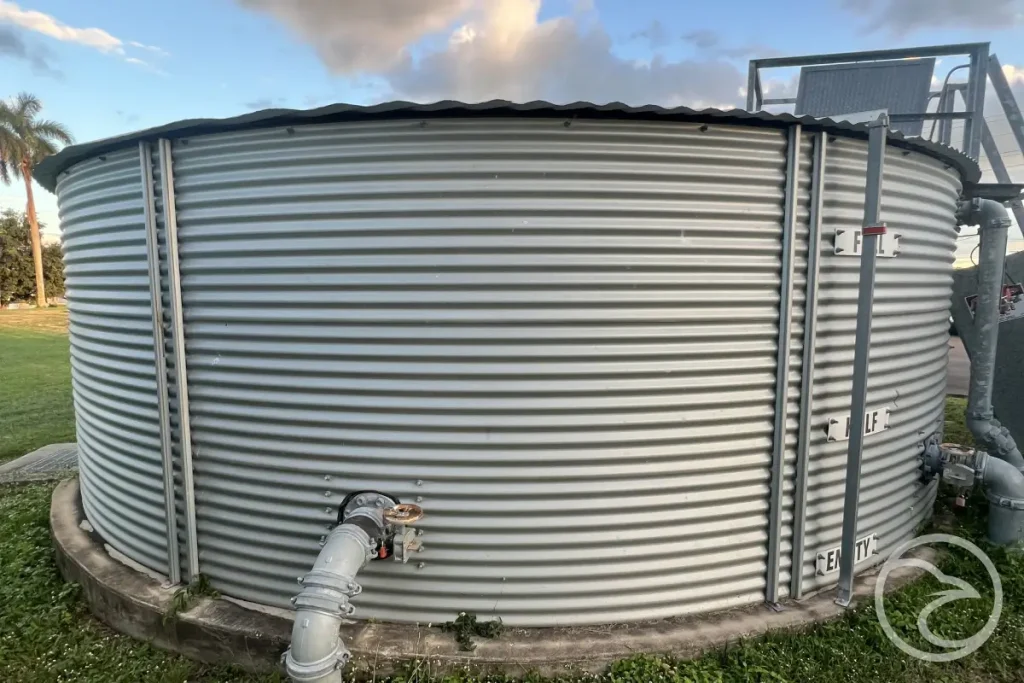
5. Inspect Inlet and Outlet Connections
Connections must remain secure to prevent leaks and inefficiencies.
Ensure:
- fittings are tight
- no visible corrosion
- proper alignment
Loose connections can compromise the entire system.
6. Monitor Sludge and Build-Up
Waste accumulation affects performance and capacity.
Look for:
- excessive sludge levels
- blockages
- reduced flow efficiency
Routine cleaning helps maintain proper operation.
7. Review Safety Components
Safety systems should always function correctly.
Check:
- overflow protection
- alarms and sensors
- ventilation systems
Faulty safety components increase operational risk.
Common Maintenance Mistakes to Avoid
Many failures occur due to avoidable errors.
Avoid:
- skipping scheduled inspections
- ignoring minor damage
- delaying necessary repairs
- using incompatible chemicals
Proactive management prevents long-term issues.
When to Take Action
Not all issues require immediate replacement. Many problems can be resolved early with proper maintenance.
If you notice recurring damage or worsening conditions, further action is necessary. For a deeper look at early warning signs, see signs your water tank needs maintenance.
Understanding these indicators helps you respond before problems escalate.
Long-Term Maintenance Best Practices
To maintain system reliability, follow these practices:
- keep detailed inspection records
- train staff on early detection
- schedule professional inspections
- address minor issues quickly
Consistent maintenance improves efficiency and reduces costs.
Conclusion
A proactive maintenance approach is essential for wastewater storage systems. Small issues can quickly escalate if ignored.
Using a structured wastewater storage tank maintenance checklist helps detect problems early and maintain system performance.
Regular inspections, proper care, and timely action ensure long-term reliability and cost efficiency.