Concrete water tanks are designed for long-term performance. However, constant moisture exposure can slowly damage internal surfaces. Without proper maintenance, small issues may develop into major structural problems and serious concrete tank maintenance signs.
Many facility owners overlook early warning signs. This often leads to expensive repairs and water quality concerns. Regular inspections help identify problems before they worsen. In many cases, timely resealing can extend the lifespan of the tank significantly.
Understanding the most common signs of deterioration helps businesses maintain safer water storage systems.
Why Concrete Tanks Deteriorate Over Time
Concrete tanks are exposed to changing environmental conditions every day. Moisture, temperature shifts, and chemical exposure all affect structural integrity.
Over time, concrete surfaces may become porous. This allows water to penetrate deeper into the material.
Several factors accelerate concrete tank deterioration, including:
- poor drainage
- constant humidity
- chemical exposure
- aging infrastructure
- lack of maintenance
As damage progresses, tanks become more vulnerable to leaks and contamination.
Visible Cracks on Internal Surfaces
Cracks are one of the most obvious warning signs. Even small cracks can create long-term structural risks. Concrete naturally expands and contracts over time. Temperature fluctuations often increase this movement.
Small fractures may eventually allow water seepage. This weakens surrounding surfaces and increases deterioration.
Common crack types include:
- hairline cracks
- vertical wall cracks
- floor separation cracks
- corner fractures
- surface splitting
Ignoring these issues may lead to larger structural failures later.
Water Leakage Around the Tank
Water leakage is another major sign of deterioration. Leaks often indicate weakened internal sealing layers. Facility managers may notice damp areas around the tank base. Water pressure can slowly force moisture through damaged concrete.
In severe cases, leakage may affect nearby infrastructure. This creates additional repair costs and operational disruptions. Water tank leakage prevention should always be addressed early. Minor repairs are usually less expensive than major restoration projects.
Many facility managers use concrete tank sealer solutions to prevent long-term structural damage and water leakage.
Surface Erosion and Concrete Wear
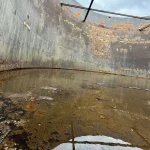
Concrete surfaces gradually wear down with constant exposure to moisture. Older tanks often develop rough and uneven internal walls. Surface erosion weakens protective layers inside the tank. This makes future damage more likely.
Signs of erosion may include:
- flaking surfaces
- exposed aggregate
- rough textures
- discoloration
- material loss near joints
Damaged surfaces also become harder to clean properly. This may affect water hygiene standards over time.
Mold, Moisture, and Damp Odors
Persistent moisture creates ideal conditions for mold development. Poor ventilation may worsen these problems. Facility staff may notice musty odors near the tank area. Visible mold growth can also appear around damaged surfaces.
Moisture-related problems may indicate:
- internal leakage
- poor drainage
- failed sealing systems
- trapped humidity
- long-term condensation
These conditions should never be ignored. Excess moisture can damage both the tank and surrounding infrastructure.
Rust Stains and Mineral Deposits
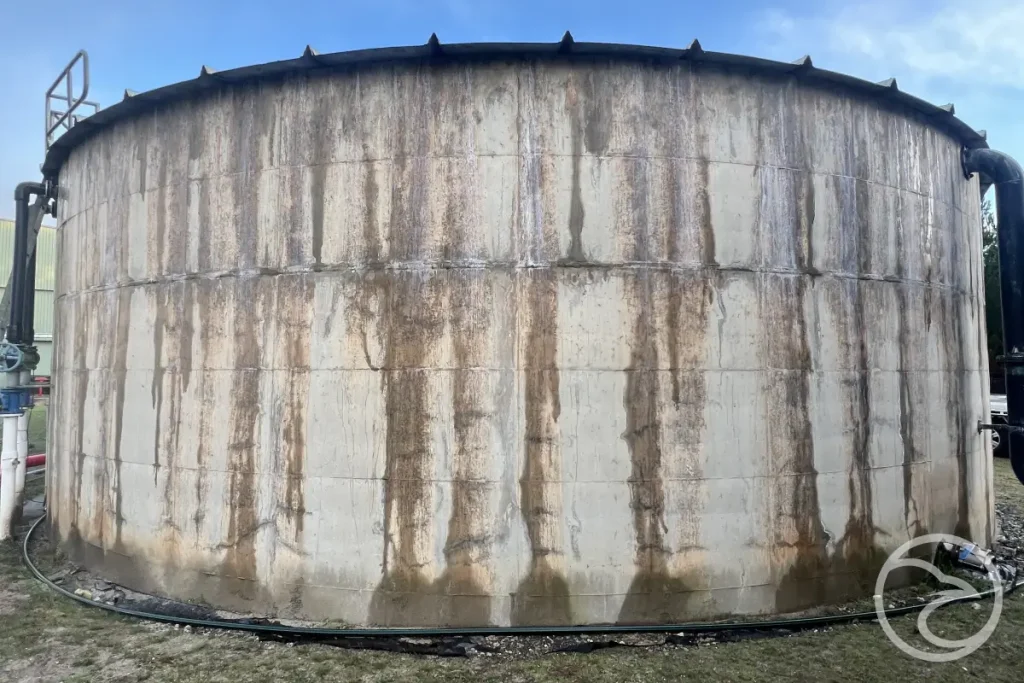
Concrete tanks sometimes develop visible stains over time. Rust-colored marks may indicate water penetration issues. Mineral deposits are another common warning sign. These deposits usually appear as white surface residue.
Such buildup often suggests ongoing moisture movement through the concrete. This process may weaken structural stability gradually.
Common surface indicators include:
- rust streaks
- white calcium deposits
- dark moisture stains
- surface discoloration
- peeling coatings
Regular inspections help identify these problems before major deterioration occurs.
Declining Water Quality
Tank deterioration can eventually affect stored water quality. Damaged surfaces may allow contaminants to enter the system. Sediment buildup often increases in poorly maintained tanks. Water may also develop unusual odors or discoloration.
Potential water quality concerns include:
- bacterial growth
- increased sediment
- unpleasant smells
- cloudy water
- contamination risks
Commercial facilities should monitor water conditions carefully. Poor water quality may create health and compliance concerns.
Why Early Resealing is Important
Resealing helps restore protective barriers inside the tank. This process reduces moisture penetration and structural stress.
Early maintenance provides several advantages:
- reduced repair costs
- improved water protection
- longer tank lifespan
- better structural stability
- easier long-term maintenance
Delaying repairs often increases deterioration severity. In some cases, full tank restoration may become necessary.
Routine commercial water tank maintenance helps prevent these situations.
How Regular Inspections Help Prevent Damage
Professional inspections identify hidden issues before they escalate. Small defects are easier to repair during early stages.
Inspection teams typically assess:
- wall condition
- joint stability
- moisture exposure
- coating performance
- structural integrity
Consistent monitoring supports safer tank operation over time. It also reduces the likelihood of unexpected failures.
Preventive maintenance is usually more cost-effective than emergency repairs.
Final Thoughts
Concrete water tanks require regular maintenance to remain reliable. Moisture exposure and aging can slowly weaken internal structures and create serious concrete tank maintenance signs that should not be ignored.
Cracks, leaks, erosion, and moisture problems often indicate deeper deterioration. Timely inspections and resealing help prevent major structural damage. They also support better water quality and long-term operational performance.
As commercial facilities continue prioritizing infrastructure reliability, proactive tank maintenance becomes increasingly important.