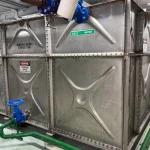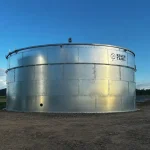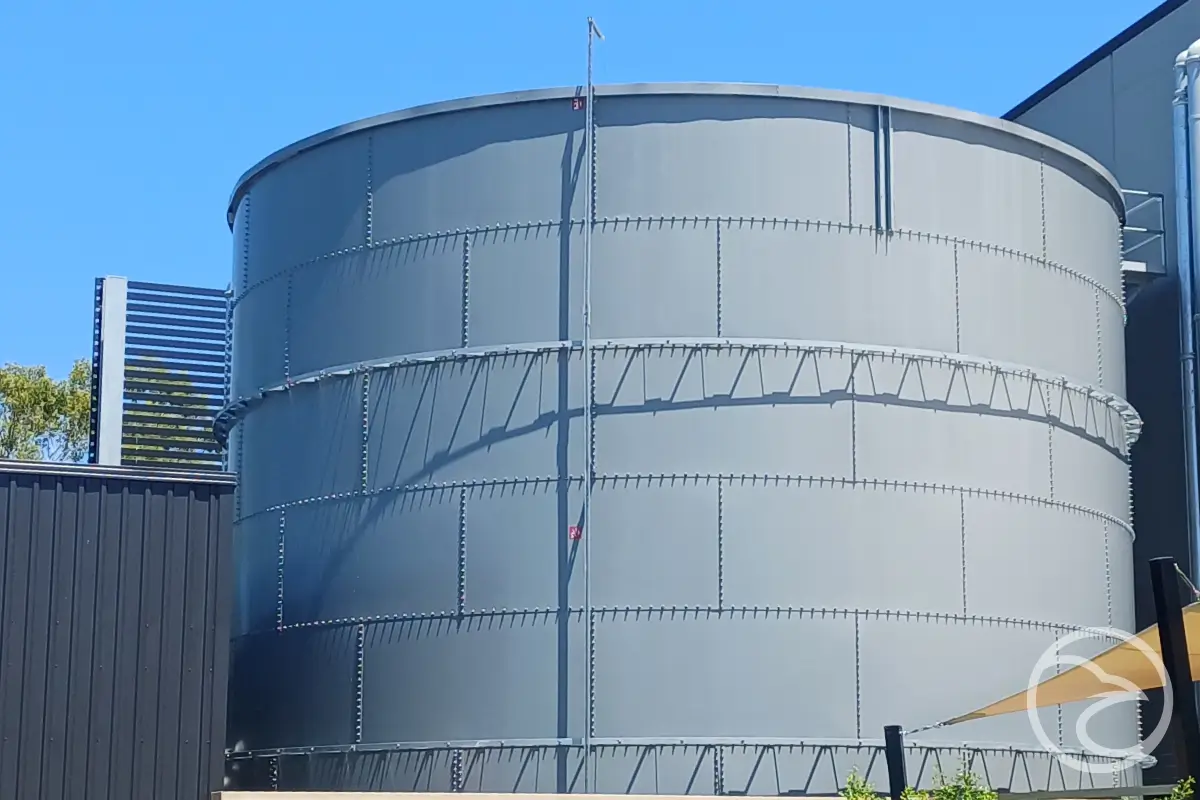

Tank design is typically associated with structural integrity, durability, and safe storage performance. However, modern engineering increasingly considers aesthetic aspects alongside technical requirements. Glass-related elements, protective finishes, and visually refined surfaces can influence how storage systems integrate into industrial facilities, commercial spaces, and even architectural environments.
Understanding the role of glass elements in tank design helps illustrate how functionality and appearance can work together.
The Intersection of Engineering and Aesthetics
Traditionally, tanks were designed with purely functional goals in mind — strength, capacity, and resistance to environmental exposure. Today, many infrastructure projects prioritize visual integration as well. Tanks located near public spaces, commercial developments, or visible industrial zones often require designs that complement surrounding architecture.
Glass-inspired finishes or design elements can help achieve a cleaner, more refined appearance. Smooth surfaces, reflective qualities, and consistent textures may contribute to a more cohesive visual impression without compromising performance.
Surface Protection and Visual Consistency
Glass-based finishes are frequently discussed in relation to protective performance. These coatings can create smooth surfaces that resist corrosion, environmental wear, and staining. At the same time, they often provide a uniform appearance that remains stable over time.
Consistent visual quality is particularly important in projects where tanks remain visible components of infrastructure. Maintaining both durability and aesthetics can reduce the need for frequent refinishing or cosmetic maintenance.
Integration Into Architectural Environments
In certain developments, storage systems are intentionally incorporated into broader architectural concepts. This may occur in commercial complexes, industrial parks, utilities infrastructure, or public facilities where design continuity matters.
Glass elements or glass-like finishes can help tanks blend into modern architectural environments. Their reflective characteristics and clean lines often align well with contemporary design trends focused on minimalism, transparency, and material consistency.
Practical Benefits Beyond Appearance
While visual considerations are important, functional advantages remain central. Protective finishes associated with glass-based technologies can support corrosion resistance, reduce surface degradation, and help maintain stable operating conditions.
These characteristics contribute to longer service life and improved reliability. By reducing exposure to environmental stressors, protective surfaces help preserve structural integrity while also supporting consistent visual quality.
Maintenance and Longevity Considerations
Maintenance planning often influences design decisions. Tanks exposed to harsh weather, industrial emissions, or fluctuating temperatures may experience accelerated wear if surfaces are insufficiently protected.
Glass-related coatings and design approaches can help simplify maintenance routines. Smooth surfaces may reduce buildup, make cleaning easier, and limit the frequency of major refurbishment work. Over time, this can contribute to both operational efficiency and cost control.
Evolving Design Expectations
As infrastructure design evolves, expectations surrounding both performance and appearance continue to change. Engineers, planners, and architects increasingly collaborate to ensure storage systems meet technical standards while also fitting within broader environmental and design contexts.
Glass elements in tank design illustrate this shift toward integrated solutions. Rather than treating aesthetics and functionality separately, modern approaches often combine protective performance with visual considerations from the outset.
A Broader View of Storage System Design
Glass-related finishes represent just one aspect of contemporary tank design strategies. Material selection, coatings, structural engineering, environmental exposure, and regulatory requirements all influence final design decisions.
Some advanced storage solutions that use glass-based protection are often discussed separately because of their specific material performance and durability characteristics.
Understanding how visual and protective elements interact can help stakeholders evaluate storage solutions more effectively. This broader perspective supports informed planning, balanced design choices, and long-term infrastructure reliability.