Industrial tanks require regular inspections to maintain safety and performance. Many tanks also qualify as confined spaces. This creates additional risks during inspection work.
Proper confined space inspection preparation improves both safety and inspection accuracy. It also helps facilities reduce downtime and identify problems earlier.
Industrial sites often prepare tanks before inspections to support safer entry conditions. Preparation also allows inspectors to access internal surfaces more effectively.
Many companies include these processes within broader confined space solutions designed for industrial safety and maintenance planning.
Why Tank Preparation is Important
Confined spaces can contain hidden hazards. These hazards may remain even after a tank is emptied. Poor preparation increases risks for workers and inspectors. It can also affect inspection quality.
Proper preparation helps facilities:
- improve worker safety
- reduce operational risks
- support accurate inspections
- improve access inside tanks
- and reduce unexpected maintenance issues
Preparation also creates safer working conditions during confined space entry activities.
Common Risks Inside Industrial Tanks
Industrial tanks can contain several hazards. Each tank environment presents different risks.
These risks depend on:
- stored materials
- tank age
- ventilation
- moisture exposure
- and operating conditions
Understanding these hazards is an important part of confined space hazard management.
Atmospheric Hazards
Atmospheric hazards are common in confined spaces. Dangerous gases may remain inside tanks after operations stop.
Some tanks contain:
- toxic vapors
- flammable gases
- oxygen-deficient air
- or chemical fumes
These conditions can become dangerous without proper testing and ventilation.
Residual Material Buildup
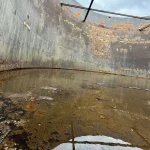
Sediment and sludge often collect inside industrial tanks. Residue can hide structural problems and create unstable surfaces.
Buildup may also release harmful gases during cleaning or inspection activities.
Restricted Access
Many industrial tanks have limited entry points. Poor lighting and narrow spaces can make movement difficult.
Restricted access also increases inspection challenges.
Structural Damage
Internal damage is not always visible externally. Corrosion and coating failure may develop over time.
Inspectors need safe access to evaluate these areas properly.
Key Steps Before a Tank Inspection
Tank preparation involves several important stages. Each step supports safer confined space entry.
1. Isolate the Tank
Isolation prevents accidental exposure to hazardous materials or energy sources.
Facilities often isolate tanks by:
- shutting down connected systems
- locking valves
- disconnecting pipelines
- and isolating electrical equipment
Isolation procedures help reduce operational risks during inspection work.
2. Empty and Csludgelean the Tank
Inspectors need clear access to internal surfaces. Tanks should be emptied before entry begins.
Cleaning removes:
- sludge
- sediment
- residue
- debris
- and contaminants
This process improves visibility during inspections. It also helps reveal hidden corrosion and damage. Some industries require specialized cleaning methods before confined space entry.
3. Perform Atmospheric Testing
Atmospheric testing is essential before tank entry. Gas detection equipment checks internal air conditions.
Testing usually measures:
- oxygen levels
- combustible gases
- toxic vapors
- and airborne contaminants
Air quality should remain monitored during the inspection process. Conditions inside confined spaces can change quickly.
Professional confined space tank inspection procedures often include continuous atmospheric monitoring.
4. Ventilate the Tank
Ventilation improves air quality inside confined spaces. It also reduces gas accumulation.
Facilities may use:
- portable ventilation systems
- extraction equipment
- ducted airflow systems
- or industrial fans
Ventilation is especially important in chemical and fuel storage tanks.
5. Prepare Entry Permits
Confined space permits help confirm that safety procedures are complete before entry begins.
Permit systems often include:
- hazard assessments
- atmospheric test results
- communication procedures
- rescue plans
- and authorized personnel records
Documentation helps facilities maintain safer inspection processes.
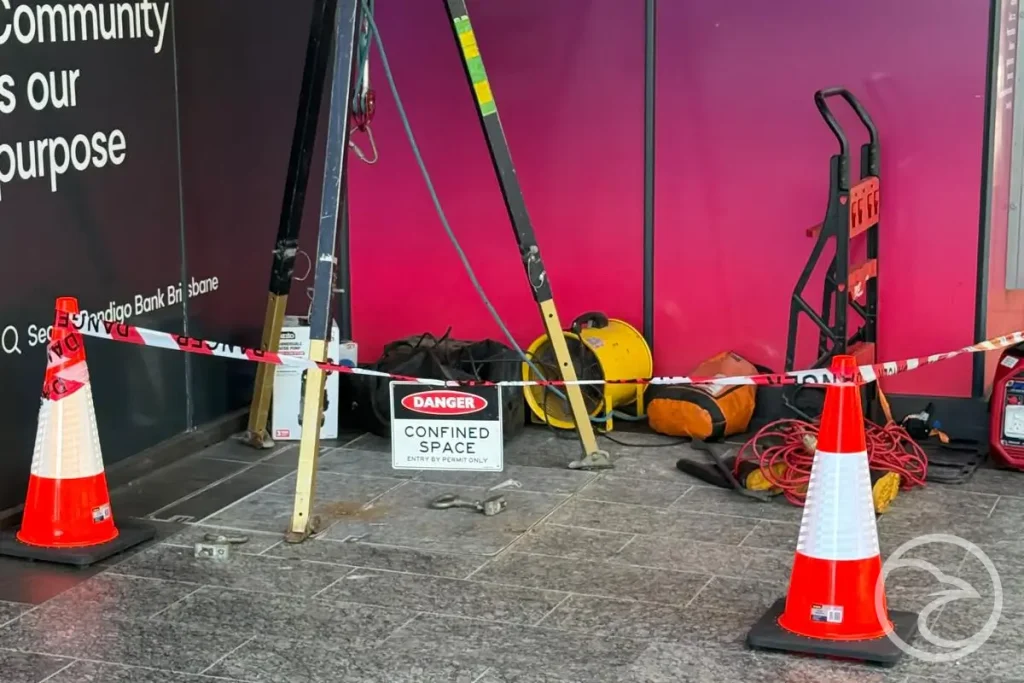
Equipment Used During Tank Preparation
Inspection teams rely on specialized safety equipment during confined space work.
Common equipment includes:
- gas monitors
- ventilation systems
- harnesses
- retrieval systems
- protective clothing
- lighting equipment
- and communication devices
The correct equipment improves both safety and inspection efficiency.
Why Emergency Planning Matters
Emergency planning is critical during confined space activities. Rescue procedures should exist before workers enter the tank.
Emergency preparation may include:
- standby rescue personnel
- retrieval equipment
- communication systems
- first aid supplies
- and evacuation procedures
Facilities with clear emergency plans often improve response times during incidents.
How Preparation Improves Inspection Results
Preparation affects inspection quality. Clean and ventilated tanks allow inspectors to work more effectively.
Proper preparation helps inspectors:
- identify corrosion
- assess coating conditions
- detect cracks
- locate structural damage
- and evaluate internal components
Without preparation, some defects may remain hidden. Facilities that follow proper preparation procedures often achieve more accurate inspection outcomes.
Supporting Long-Term Tank Performance
Industrial tanks experience constant operational stress. Moisture, chemicals, and residue can gradually damage internal surfaces.
Regular inspections help facilities detect problems earlier. Preparation also supports safer maintenance activities.
Long-term inspection planning can help organizations:
- reduce equipment failures
- improve workplace safety
- extend tank lifespan
- and support preventative maintenance programs
Facilities that combine inspection readiness with broader confined space inspection preparation strategies often improve long-term asset reliability.
Proper preparation remains an essential part of safe confined space operations.