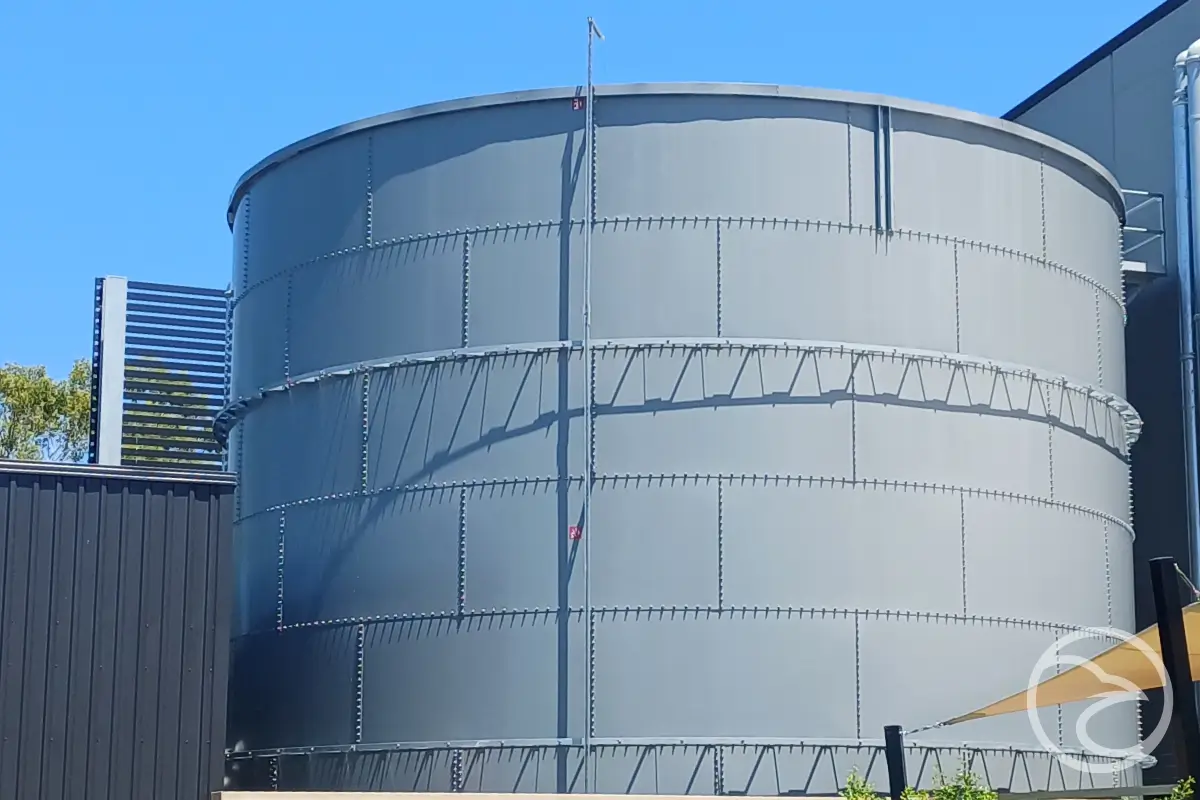
Industrial and water storage tanks require regular inspections to maintain structural integrity and regulatory compliance. Traditionally, these inspections involved draining the tank and sending personnel inside — a process that is costly, time-consuming, and classified as confined space entry.
Today, non-entry tank inspections offer a safer and more efficient alternative. But how do non-entry tank inspections work, and what technology makes them possible?
What is a Non-Entry Tank Inspection?
A non-entry tank inspection is a method of assessing the internal condition of a tank without sending workers inside. Instead of physical entry, inspectors use remote tank inspection technology to examine structural components, coatings, weld seams, and sediment levels.
These inspections are commonly used for:
- Potable water tanks
- Fire water storage
- Industrial liquid storage systems
- Wastewater tanks
By eliminating confined space entry, facilities reduce safety risks and avoid full operational shutdowns.
The Technology Behind Remote Tank Inspection
Understanding how non-entry tank inspections work begins with the equipment involved. Several types of robotic and camera-based systems are used depending on tank size, access points, and whether the tank is filled.
1. Submersible Robotic Systems
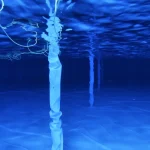
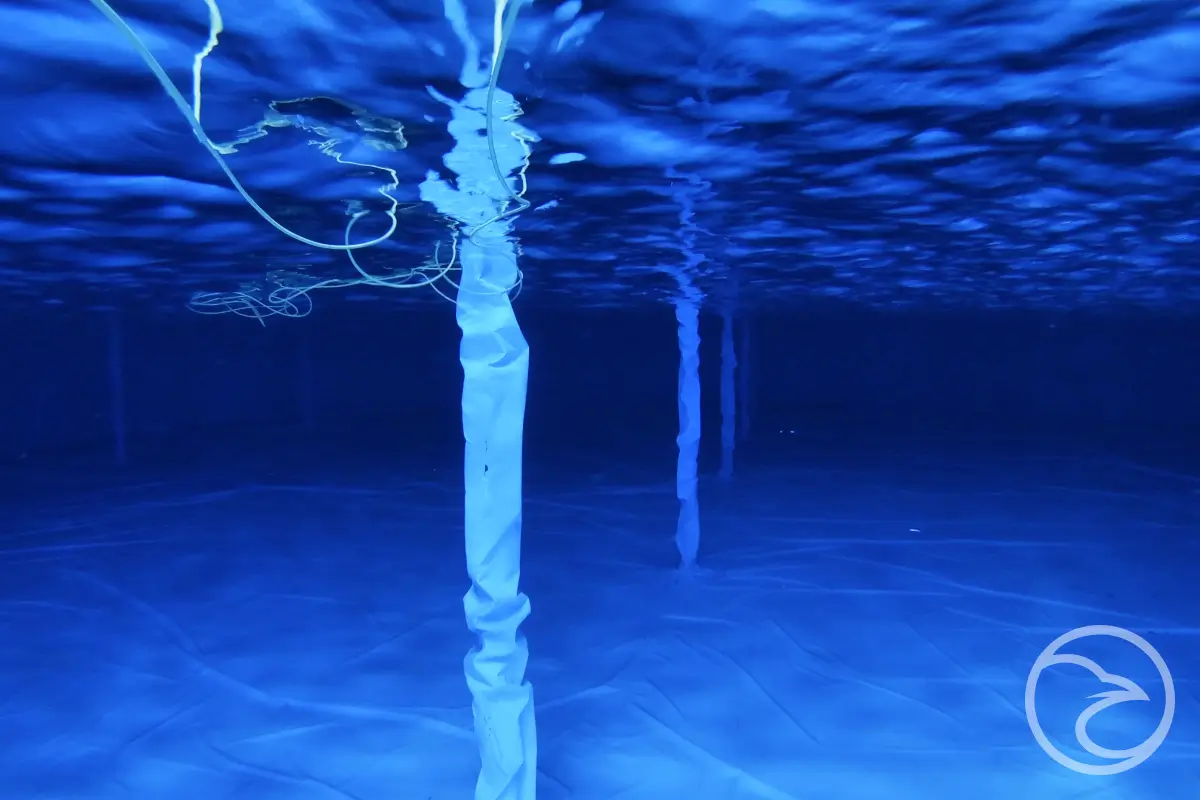
For tanks that remain filled during inspection, submersible robotic devices are deployed through roof hatches or access ports. These systems are equipped with:
- High-definition cameras
- Powerful LED lighting
- Sonar imaging (for low-visibility conditions)
- Magnetic or tracked mobility systems
One advanced method includes the use of ROV tank inspections, which enable detailed underwater assessment without draining the system.
These robotic tank inspection systems provide real-time video feedback to technicians monitoring from outside the tank.
2. Remote Camera Pole Systems
In partially drained tanks, telescopic camera poles may be inserted through manways. These allow visual inspection of upper walls, roof structures, and weld connections.
This method is often used when full submersion equipment is unnecessary.
3. Sonar and Ultrasonic Tools
In cases where sediment or low visibility limits camera performance, sonar mapping technology helps identify:
- Floor corrosion
- Sediment accumulation
- Structural anomalies
Ultrasonic thickness testing may also be performed externally to measure steel wall integrity without internal access.
Step-by-Step: How Non-Entry Tank Inspections Work
The process typically follows a structured approach.
Step 1: Pre-Inspection Assessment
Technicians review tank specifications, historical inspection reports, and operational conditions. This ensures the selected inspection method matches the tank type and risk level.
Step 2: Equipment Deployment
Robotic or camera systems are inserted through approved access points. No confined space entry permit is required since personnel remain outside.
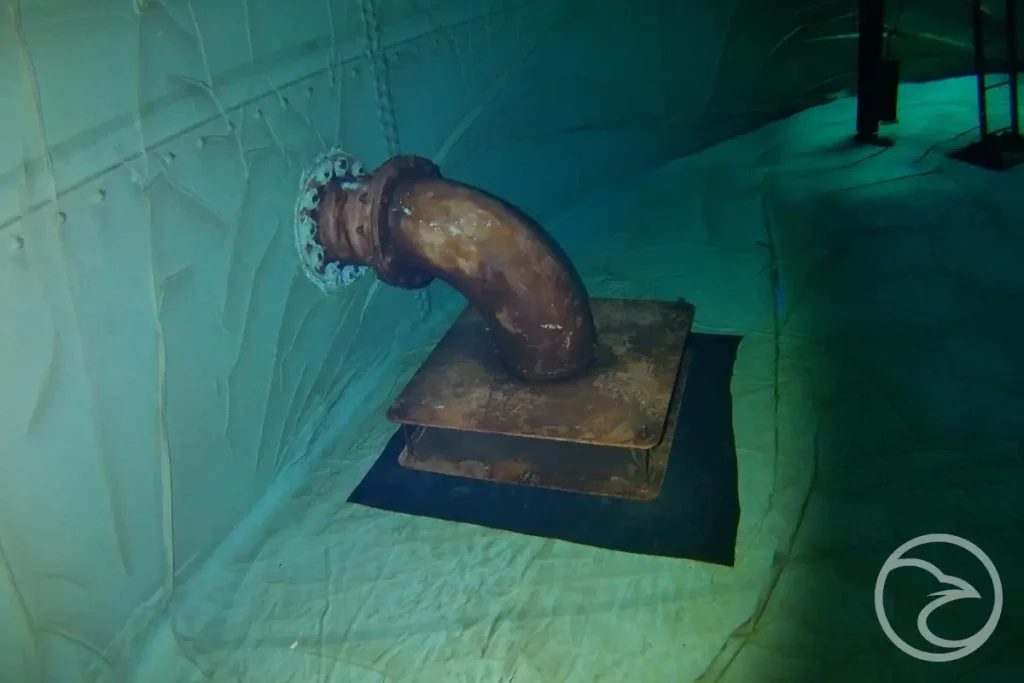
Step 3: Internal Condition Assessment
Operators evaluate:
- Coating condition
- Corrosion levels
- Structural weld integrity
- Roof and support structures
- Sediment depth
High-resolution footage is recorded for documentation.
Step 4: Data Analysis and Reporting
Captured images and sonar data are analyzed to identify deterioration patterns or maintenance priorities. A structured report outlines findings and recommended next steps.
Safety Advantages of Non-Entry Inspections
One of the primary reasons facilities adopt remote tank inspection technology is safety. Confined space environments present risks such as:
- Oxygen deficiency
- Toxic gas exposure
- Slip hazards
- Limited emergency access
By eliminating internal entry, companies significantly reduce liability and worker exposure.
Additionally, tanks can often remain operational during inspection, minimizing downtime and service disruption.
When Are Non-Entry Methods Most Effective?
Non-entry tank inspections are particularly effective when:
- Draining the tank would disrupt operations
- The tank contains potable or treated water
- Sediment levels need evaluation
- Routine compliance inspections are required
However, if severe structural damage is suspected, physical entry may still be necessary for repair work. Remote inspection is typically used for assessment and condition monitoring.
For a more detailed overview of available inspection solutions, you can explore our dedicated service page.
Efficiency and Cost Considerations
Because draining, cleaning, and refilling a tank can take days or weeks, non-entry inspection methods significantly reduce operational costs. Facilities avoid:
- Water disposal expenses
- Production downtime
- Additional labor costs
The technology also allows more frequent condition monitoring, improving long-term asset management.
Final Thoughts
Understanding how non-entry tank inspections work helps facility managers make informed decisions about maintenance strategy. Through advanced remote tank inspection technology, robotic systems, and sonar imaging, internal assessments can be conducted safely and efficiently — often without draining the tank.
As inspection technology continues to evolve, non-entry methods are becoming the standard approach for proactive industrial and water storage tank management.