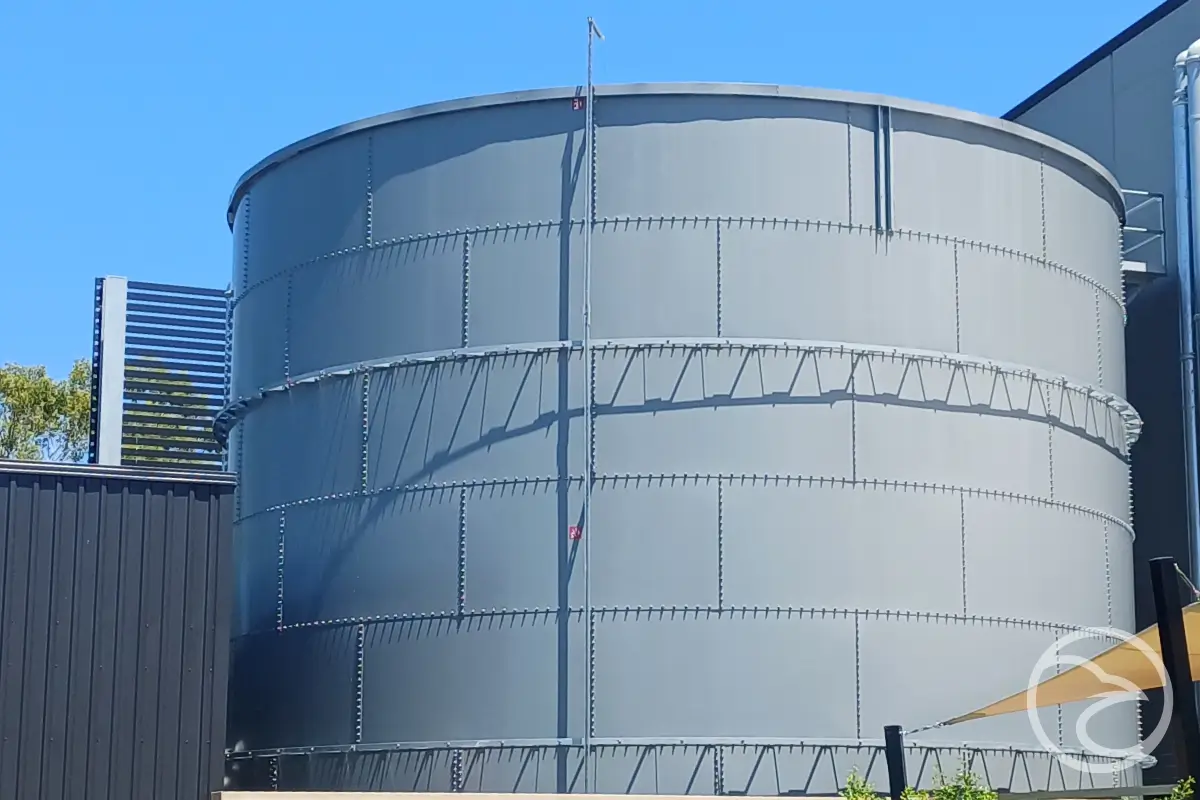
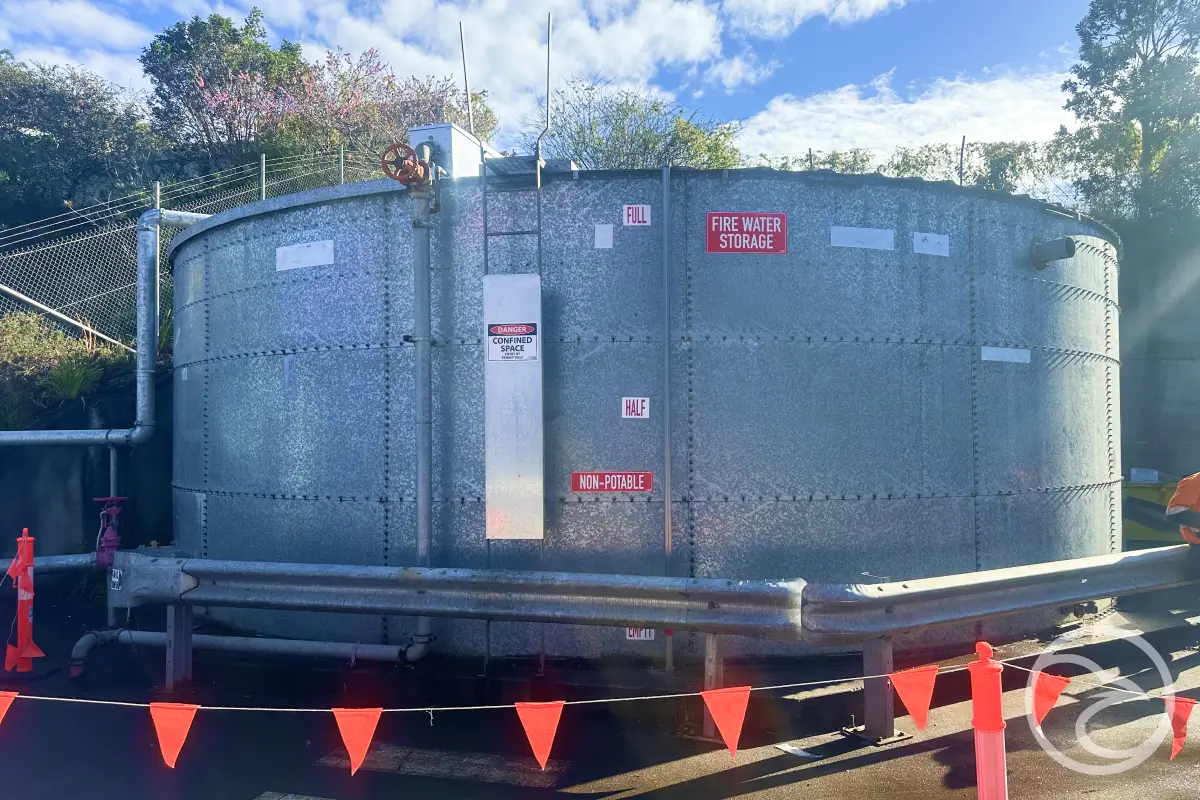
Fire protection systems rely on a stable and reliable water supply. In many industrial sites, commercial facilities, and remote areas, municipal water systems cannot always deliver enough water during a fire emergency. This is where hydrant tanks play a critical role. These specialized storage tanks provide a dedicated supply of water that firefighters and fire protection systems can access immediately when a fire occurs.
Understanding how hydrant tanks work helps facility owners, engineers, and safety managers design more reliable fire protection systems. It also explains why proper water storage is essential for maintaining fire safety in many buildings and industrial environments.
What are Hydrant Tanks?
Hydrant tanks are large water storage tanks designed specifically to support fire hydrant systems. Their primary function is to ensure that enough water is available for firefighting operations when a fire breaks out.
Unlike general water storage tanks used for domestic or industrial purposes, hydrant tanks are usually dedicated to fire protection water storage. This means the stored water is reserved exclusively for fire suppression systems such as hydrants, fire pumps, and sprinkler networks.
These tanks are commonly used in locations where:
- Municipal water pressure is insufficient for firefighting
- Facilities require a reliable emergency water supply
- Fire regulations mandate dedicated fire water storage
- Industrial operations involve higher fire risks
Hydrant tanks help maintain consistent water availability even if the main water supply fails or cannot deliver enough pressure during a fire emergency.
Properly designed fire hydrant water tanks help maintain consistent water availability for firefighting systems, especially in large industrial and commercial facilities.
Why Fire Protection Systems Need Dedicated Water Storage
Fires often require large volumes of water within a short period of time. In many cases, the local water infrastructure cannot provide the required flow rate to support multiple hydrants or fire suppression systems simultaneously.
Dedicated fire water storage tanks solve this problem by storing a large volume of water that can be released immediately during an emergency.
There are several reasons why hydrant tanks are essential for fire protection systems:
- Reliable emergency supply: During a fire, response time is critical. Hydrant tanks ensure water is available instantly without relying solely on external water sources.
- Stable water pressure: Fire pumps connected to hydrant tanks help maintain the pressure required to operate hydrant systems effectively.
- Support for multiple hydrants: Large facilities may have several hydrant points. Hydrant tanks provide enough water flow to supply multiple firefighting points simultaneously.
- Compliance with safety standards: Many fire safety codes require a minimum amount of stored water to support firefighting operations.
Because of these factors, hydrant tanks are widely used in industrial facilities, warehouses, hospitals, commercial buildings, and infrastructure projects.
How Hydrant Tanks Work in a Fire Emergency
Hydrant tanks operate as part of a larger fire protection water system. Their function is closely connected to fire pumps, hydrant pipelines, and firefighting equipment.
When a fire occurs, the system works through several key steps.
Water Storage Capacity
The hydrant tank stores a predetermined volume of water specifically for firefighting. The required capacity depends on factors such as building size, fire risk level, and local fire safety regulations.
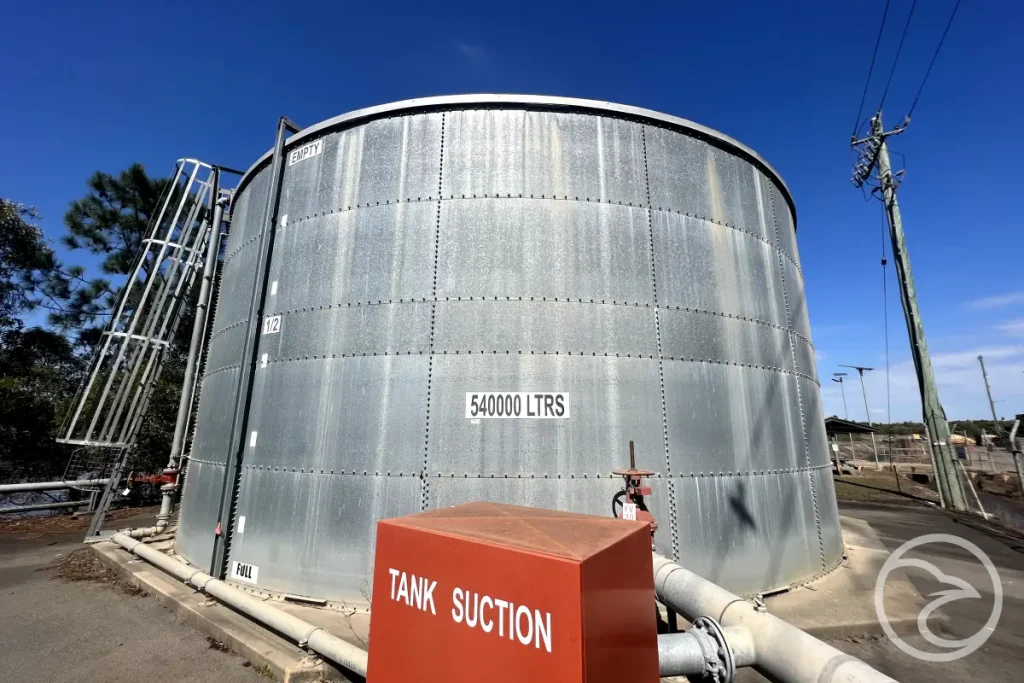
For example, large industrial facilities may require tanks capable of storing hundreds of thousands of liters of water to support extended firefighting operations.
Connection to Hydrant Systems
Hydrant tanks are connected to a network of pipes that lead to fire hydrants located around a building or facility. These hydrants allow firefighters to quickly connect hoses and access the stored water supply.
The tank supplies water directly into the hydrant network when the system is activated.
Fire Pump Activation
Most hydrant tank systems include dedicated fire pumps. When a hydrant valve is opened or a fire detection system activates the pumps, water is drawn from the tank and delivered through the hydrant network.
The pump ensures that water reaches hydrants at the pressure and flow rate needed for effective firefighting.
Emergency Water Delivery
Once the pump is running, water flows from the tank through the piping system and out of the hydrants. Firefighters can then use hoses connected to the hydrants to control or extinguish the fire.
Dedicated fire water hydrant tanks help ensure that firefighting systems always have immediate access to sufficient water.
Key Components of a Hydrant Tank System
A hydrant tank alone does not form a complete fire protection system. Several additional components work together to ensure reliable operation.
Important system elements typically include:
- Fire pumps: These pumps deliver water from the storage tank to hydrant outlets at the correct pressure.
- Hydrant pipelines: A network of pipes distributes water throughout the facility.
- Control valves: Valves regulate water flow and isolate sections of the system when necessary.
- Level monitoring systems: Sensors track water levels in the tank to ensure the required volume is always available.
- Fire hydrant outlets: These are the connection points where firefighters attach hoses during an emergency.
Together, these components form a coordinated system designed to provide rapid access to water during firefighting operations.
Why Proper Fire Water Storage is Critical for Safety
Reliable water storage is essential for effective fire protection. Without enough water supply, even well-designed hydrant systems may not operate properly during a fire emergency. Understanding how hydrant tanks work helps explain why dedicated water storage is critical for maintaining reliable fire protection systems.
Hydrant tanks provide the water reserves needed for firefighting and help ensure that fire suppression systems have immediate access to large volumes of water. For many facilities, this makes hydrant tanks a key part of reliable fire safety infrastructure.