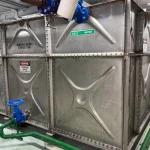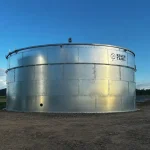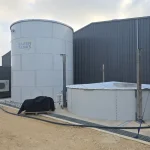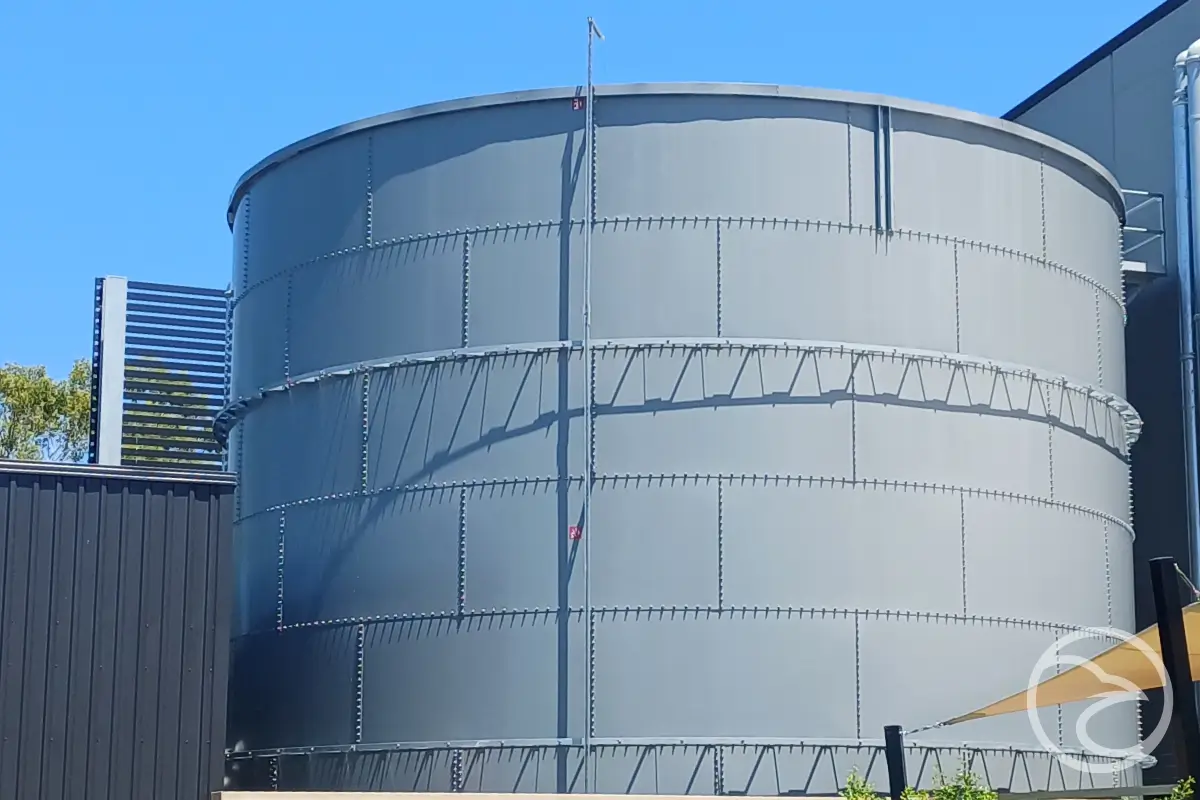

Secondary containment for liquid storage plays an essential role in reducing environmental risks associated with storing liquids in industrial, commercial, and infrastructure settings. While primary storage systems are designed to hold liquids under normal operating conditions, secondary containment systems provide an additional protective layer in case of leaks, overflows, or structural failure.
Understanding how these systems function helps explain their importance in responsible liquid management.
What is Secondary Containment for Liquid Storage
Secondary containment for liquid storage refers to systems designed to capture and control liquids that escape from a primary storage vessel. These systems act as a safeguard, preventing uncontrolled releases from reaching soil, groundwater, or nearby water bodies. Rather than replacing the primary container, secondary containment works alongside it to limit the spread of spilled substances.
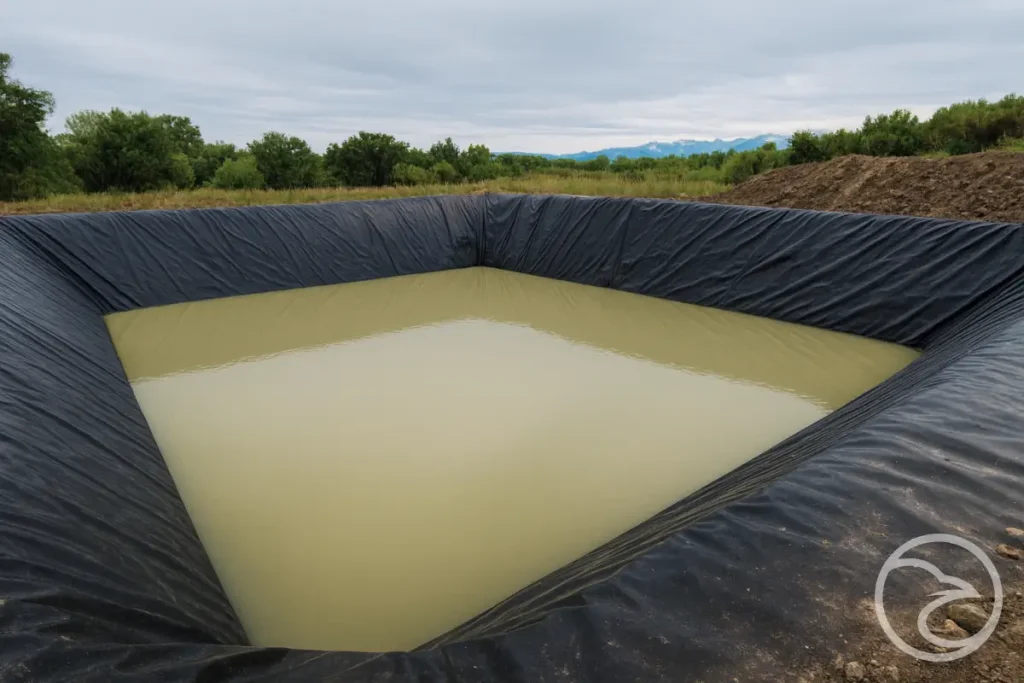
Common examples include containment areas surrounding tanks, bunded zones, and engineered enclosures that isolate stored liquids from the surrounding environment. The core purpose remains the same: to reduce the consequences of accidental releases.
Why Secondary Containment is Necessary
Even well-designed liquid storage systems can experience failures over time. Material degradation, mechanical stress, environmental exposure, and operational errors all contribute to potential leaks. Secondary containment for liquid storage helps mitigate these risks by providing a controlled space where liquids can be contained and managed.
Without secondary containment, even small leaks may accumulate unnoticed, leading to long-term environmental contamination. In contrast, secondary systems allow spills to be identified more quickly and addressed before they spread beyond the storage area.
This layered approach to risk reduction is central to environmental protection strategies and is often explored in materials focused on long-term containment performance.
How Secondary Containment Systems Function
Secondary containment systems rely on physical barriers that prevent liquid migration. These barriers are designed to withstand prolonged exposure to stored substances and environmental conditions such as temperature fluctuations and precipitation. By isolating the primary storage system, secondary containment creates a defined boundary that limits the movement of liquids.
Drainage control is another important aspect. Many secondary containment designs restrict uncontrolled drainage, ensuring that spilled liquids remain within the containment area. This approach supports safe monitoring and management while reducing the likelihood of off-site impacts.
Environmental Protection and Risk Reduction
One of the most significant benefits of secondary containment for liquid storage is its contribution to environmental protection. Uncontrolled liquid releases can introduce hazardous substances into ecosystems, affecting soil quality, surface water, and groundwater reserves. Secondary containment reduces this risk by acting as a buffer between stored liquids and the natural environment.
By limiting the spread of contaminants, secondary containment systems help reduce long-term remediation challenges. Even in non-hazardous applications, preventing liquid migration supports sustainable land use and reduces the potential for cumulative environmental damage.
Common Applications Across Industries
Secondary containment for liquid storage is used across a wide range of sectors. Industrial facilities rely on these systems to manage liquids such as fuels, chemicals, and process water. Infrastructure and utilities use secondary containment to protect surrounding areas from leaks associated with large storage installations.
In agricultural and environmental management settings, secondary containment supports the safe handling of liquids that may affect soil or water quality. Despite variations in application, the underlying principles of containment and isolation remain consistent.
The Role of Secondary Containment in Long-Term Storage Planning
Secondary containment for liquid storage is not only a protective measure but also a planning consideration for long-term storage strategies. By accounting for potential failures before they occur, secondary containment supports a proactive approach to liquid management.
This layered protection framework reflects a broader emphasis on risk reduction and environmental responsibility. When integrated thoughtfully, secondary containment systems help ensure that liquid storage remains controlled, predictable, and aligned with long-term environmental protection goals.