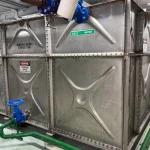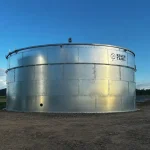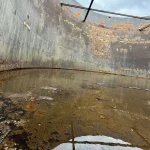
Tank liners and internal containment systems can deteriorate over time. However, not every problem requires the same solution. Some liner damage can be repaired locally. Other tanks require complete liner replacement or a broader relining solution.
Choosing the correct approach depends on the damage, liner condition, tank structure and operational requirements. Understanding these differences can help prevent unnecessary work and reduce the risk of recurring tank problems.
This guide compares tank relining, tank liner repair and tank liner replacement. It also explains how to recognise common problems.
What is the Difference Between Tank Relining, Liner Repair and Replacement?
The three services address different tank and liner conditions. Tank liner repair targets localised damage while retaining the existing liner. Tank liner replacement removes an existing failed liner and installs a new liner. Tank relining restores internal containment when a tank requires broader rehabilitation.
The correct solution cannot always be determined from a visible leak alone. A leak can result from liner damage, failed seams, deterioration or problems with the underlying tank.
A professional inspection should therefore identify the cause before repair work begins. Here is a simple comparison.
| Solution | Usually Suitable When | Main Purpose |
|---|---|---|
| Tank Liner Repair | Damage is localised | Repair the existing liner |
| Tank Liner Replacement | Existing liner is extensively deteriorated | Remove and replace the liner |
| Tank Relining | Internal containment requires broader restoration | Restore tank containment and extend service life |
The condition of the complete system remains more important than one visible symptom.
What is Tank Liner Repair?
Tank liner repair involves fixing specific damaged areas of an existing liner. The liner remains installed when its overall condition remains suitable for continued service.
Repairs may address punctures, tears, damaged seams or other localised defects. This approach avoids replacing a serviceable liner because of one limited problem.
The repair method depends on the liner material, damage and tank application. Professional tank liner repair services should begin with an assessment of the affected area.
When is Tank Liner Repair Suitable?
Repair is generally appropriate when damage remains limited to one or several isolated areas. The surrounding liner should still have adequate strength and integrity.
A relatively new liner with an accidental puncture may be a good repair candidate. Local seam problems may also be repairable when deterioration has not spread elsewhere.
Repair may be appropriate when:
- Damage is localised.
- The liner remains generally serviceable.
- Tears or punctures affect limited areas.
- Individual seams require attention.
- Leakage has a clearly identifiable source.
- Previous repairs remain limited.
- The liner material remains suitable for repair.
However, repeated local repairs can indicate a broader problem. Repairing individual defects becomes less practical when failures continue appearing across the liner.
How can You Identify Tank Liner Damage?
Some liner problems become obvious through visible leakage. Others develop without immediate external signs. Regular observation can help identify changes before deterioration becomes more extensive.
Visible Leaks
Water appearing outside the tank can indicate a containment problem. However, the leak location does not always identify the original liner failure.
Water can travel between surfaces before becoming visible.
Tears and Punctures
Mechanical contact can puncture or tear liner materials. Damage can occur during maintenance, access or other work inside the tank.
Even small punctures can compromise containment.
Damaged Seams
Seams connect sections of liner material and remain important to overall liner integrity. Separation or deterioration around these areas can allow leakage.
Liner Deformation
Wrinkles, stretching or unusual movement can indicate problems with liner positioning or condition. These changes should be investigated before further damage develops.
Localised Deterioration
Some areas can deteriorate faster because of operating conditions or repeated stress. Localised deterioration may remain repairable when the surrounding liner remains sound.
When Does Repair Stop Being Practical?
The number of defects matters, but overall liner condition matters more. Several isolated repairs do not automatically mean a liner requires replacement. However, widespread deterioration can make repeated repairs inefficient.
Consider the age and condition of the material surrounding each damaged area. A patch cannot restore material that has deteriorated throughout the entire liner. Recurring leakage after previous repairs can also indicate broader failure.
At this point, tank liner replacement may provide a more appropriate long-term solution.
What is Tank Liner Replacement?
Tank liner replacement involves removing an existing liner and installing a new containment liner. Replacement addresses situations where retaining the old liner is no longer practical.
The tank structure itself may remain suitable for continued operation. Therefore, replacing the liner does not necessarily mean replacing the complete tank.
A replacement project normally includes assessment, old liner removal, preparation and new liner installation. The new liner must suit the tank configuration, stored contents and operational environment.
When Does a Tank Liner Need Replacement?
Replacement becomes relevant when deterioration affects substantial areas of the existing liner. The decision should consider more than the location of a current leak.
Common indicators include:
- Widespread liner deterioration.
- Multiple leaks across different areas.
- Extensive seam failures.
- Ageing or weakened liner material.
- Repeated previous repairs.
- Significant loss of liner integrity.
- Material no longer suitable for reliable repair.
Replacement can eliminate dependence on repeated repairs to a liner approaching its service limit. It also provides an opportunity to select a liner suited to current operating requirements.
Repair or Replace: how can You Tell?
Imagine finding one puncture in an otherwise sound liner. Replacing the entire liner may create unnecessary cost and disruption. Now imagine finding multiple failures across ageing liner material.
Repairing each defect individually may only delay another failure. That distinction explains the fundamental difference between repair and replacement.
Repair preserves a serviceable liner. Replacement removes a liner that is no longer reliably serviceable.
A tank inspection can provide the evidence needed to make that decision.
What Happens During Tank Liner Replacement?
The exact process depends on the tank and liner system. However, replacement generally follows several core stages. First, the tank and existing liner are inspected.
This assessment identifies liner condition and any other issues requiring attention. The old liner is then removed when replacement has been confirmed.
Accessible tank surfaces can then be assessed and prepared for the new installation. A suitable replacement liner is selected for the tank and application.
Correct liner selection should consider tank dimensions, stored contents and containment requirements. The new liner is then installed according to the required configuration.
Final inspection checks the completed installation and containment system.
What is Tank Relining?
Tank relining has a broader focus than repairing one damaged liner area. It aims to restore the internal containment of an existing tank.
Relining can form part of a strategy for extending the usable life of ageing tank infrastructure. The approach can be suitable when the tank remains viable but its internal containment requires restoration.
Professional tank relining services can support water, industrial and other storage applications. The exact relining system depends on tank condition, construction and operational requirements.
When Should Tank Relining be Considered?
Relining becomes relevant when deterioration affects the tank’s broader internal containment. The issue may extend beyond an isolated puncture or damaged seam.
Possible indicators include:
- Deteriorated internal surfaces.
- Loss of reliable watertightness.
- Ageing containment systems.
- Internal deterioration affecting tank performance.
- Leakage associated with broader containment problems.
- A need to extend existing tank service life.
Relining can provide an alternative to replacing an otherwise serviceable tank structure. However, it should not automatically replace structural repairs where structural defects exist.
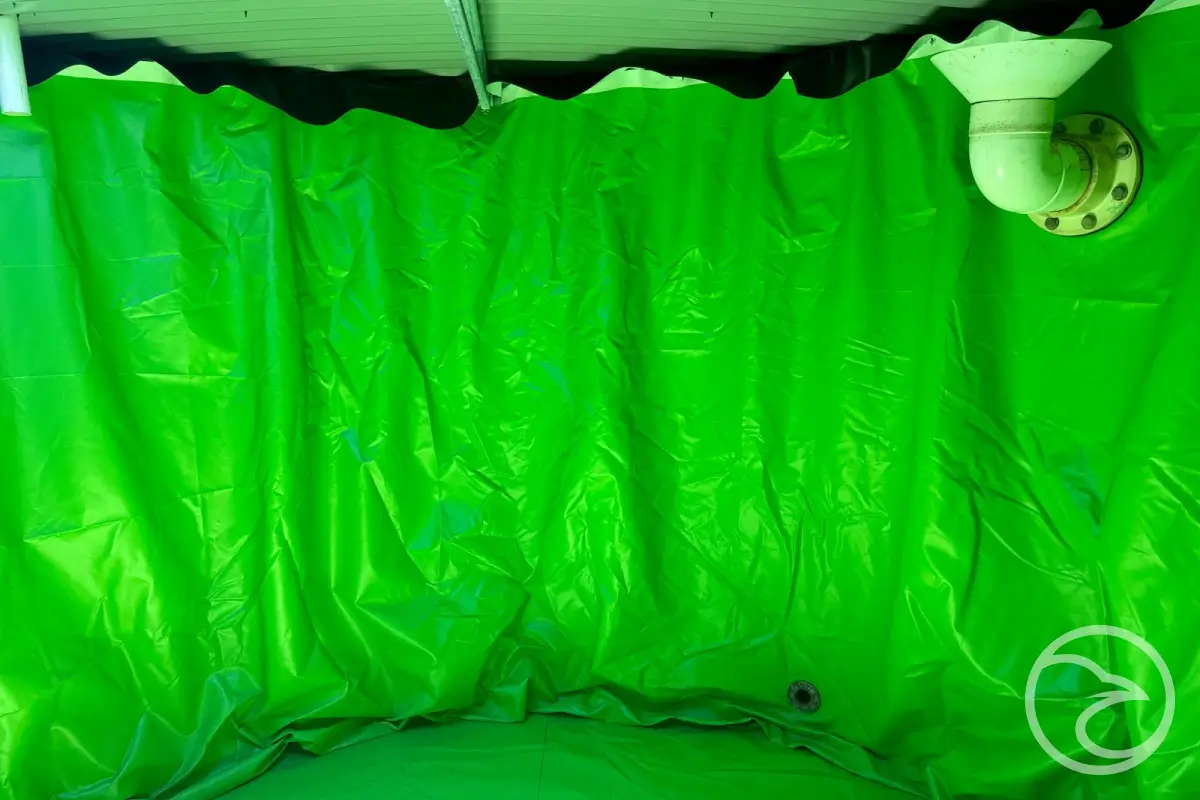
Is Tank Relining the Same as Tank Liner Replacement?
The terms can sound similar, but their focus differs. Tank liner replacement specifically concerns an existing liner that requires removal and replacement. Tank relining describes broader restoration of the tank’s internal containment system.
There can be practical overlap between the processes on some projects. However, the reason for the work determines which service best describes the requirement.
This distinction also matters when planning inspection, preparation and associated tank works.
What About Tank Refurbishment?
Some tanks have problems extending beyond their liner or internal containment. Structural deterioration may require a broader tank refurbishment approach. Refurbishment can involve multiple types of work depending on the tank condition.
Relining may form one component of a larger refurbishment project. This distinction becomes important when inspection identifies both containment and structural issues.
A liner solution should not be used to conceal problems requiring structural attention.
Which Solution Does Your Tank Need?
A simple decision framework can help clarify the likely direction.
Choose liner repair when: The damage is localised and the remaining liner remains serviceable.
Consider liner replacement when: The liner has widespread deterioration, repeated failures or extensive damage.
Consider tank relining when: The tank requires broader restoration of its internal containment system.
Consider refurbishment when: The tank also has structural or broader condition problems requiring additional work.
These categories provide guidance rather than a final diagnosis. Inspection remains important because similar symptoms can have different underlying causes.
Why Tank Inspection Should Come First
A leak tells you that something is wrong. It does not necessarily explain why. Starting repairs without understanding the cause can result in repeated failures.
Professional tank inspection services can assess the liner, tank condition and visible deterioration. The inspection can determine whether damage is localised or widespread.
It can also identify whether problems extend beyond the liner itself. This information helps determine whether repair, replacement, relining or broader refurbishment is appropriate.
Inspection also reduces the risk of replacing components that remain serviceable. Conversely, it can prevent repeated repairs to a liner that should already be replaced.
What Should You do when You Discover a Tank Leak?
Avoid assuming that every leak requires immediate liner replacement. The first priority is understanding the location and extent of the problem. Record visible signs where practical and follow relevant site procedures.
Consider recent maintenance, operational changes or previous liner repairs. A professional assessment should then establish the likely source. The next action depends on those findings.
Local damage may require liner repair. Widespread liner failure may require replacement.
Broader containment deterioration may point towards relining. Structural problems can require additional refurbishment work.
Can Tank Waterproofing Solve the Problem?
Waterproofing and liner services can address related problems, but they are not interchangeable. Tank waterproofing focuses on preventing unwanted water movement through tank surfaces or containment areas.
Liner repair specifically addresses defects within an existing liner. Replacement installs a new liner when the existing system has failed. Relining restores broader internal containment.
The appropriate solution therefore depends on where and why containment has been compromised.
Different Tanks can Require Different Solutions
Tank purpose can influence liner selection, repair methods and maintenance requirements. A potable water tank has different considerations from some industrial storage tanks.
Fire water tanks must maintain reliable water storage for their intended function. Industrial and processing tanks may operate under demanding environmental or operational conditions.
Concrete and panel tanks also present different liner installation configurations. The solution should therefore consider both liner condition and tank application.
One repair method should not automatically be applied across every tank type.
How can Future Liner Problems be Reduced?
Correct installation and appropriate liner selection provide the foundation for reliable performance. However, ongoing condition monitoring remains important after repair or replacement.
Routine water tank maintenance can help identify emerging problems before significant deterioration develops. Inspections should consider visible liner condition, seams and signs of leakage.
Maintenance activities should also avoid unnecessary mechanical damage to liner surfaces. Records of previous repairs can help identify recurring failure patterns.
Repeated damage in the same area may indicate an underlying issue requiring further investigation. Early intervention can often provide more repair options than waiting for extensive failure.
Tank Relining vs Liner Repair vs Replacement: Quick Comparison
| Factor | Tank Liner Repair | Tank Liner Replacement | Tank Relining |
|---|---|---|---|
| Primary issue | Localised liner damage | Widespread liner failure | Broader containment deterioration |
| Existing liner | Retained | Removed | Depends on system |
| Typical damage | Tears, punctures, seams | Extensive deterioration | Wider internal containment issues |
| Main goal | Restore damaged area | Install new liner | Restore internal containment |
| Best for | Serviceable liners | Failed or ageing liners | Serviceable tanks needing containment restoration |
| Tank structure | Usually retained | Usually retained | Retained where suitable |
| Inspection needed | Yes | Yes | Yes |
The comparison should always be considered alongside the actual tank condition.
Making the Right Decision for an Ageing or Damaged Tank
There is no single solution for every leaking or deteriorated tank. A small liner defect does not necessarily justify replacement. Likewise, repeatedly repairing a severely deteriorated liner may not provide reliable long-term performance.
Tank liner repair works best when damage remains localised. Tank liner replacement becomes appropriate when the existing liner can no longer provide dependable containment.
Tank relining addresses broader internal containment needs within an otherwise serviceable tank. The most important step is identifying the actual cause and extent of deterioration.
A professional inspection provides the information needed to choose the appropriate next step. From there, repair, replacement or relining can address the problem without unnecessary work.