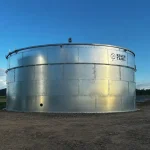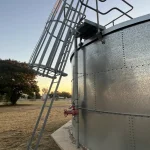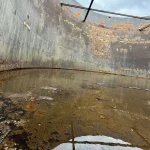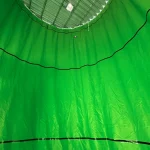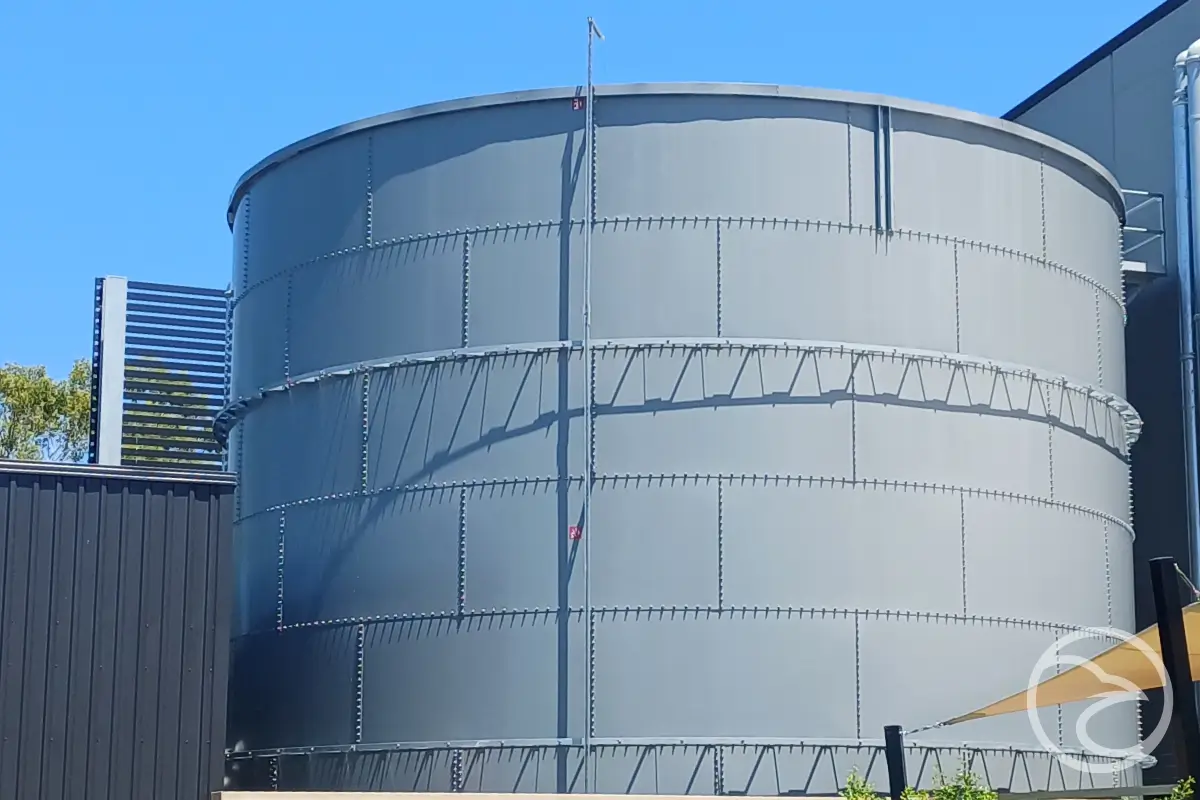
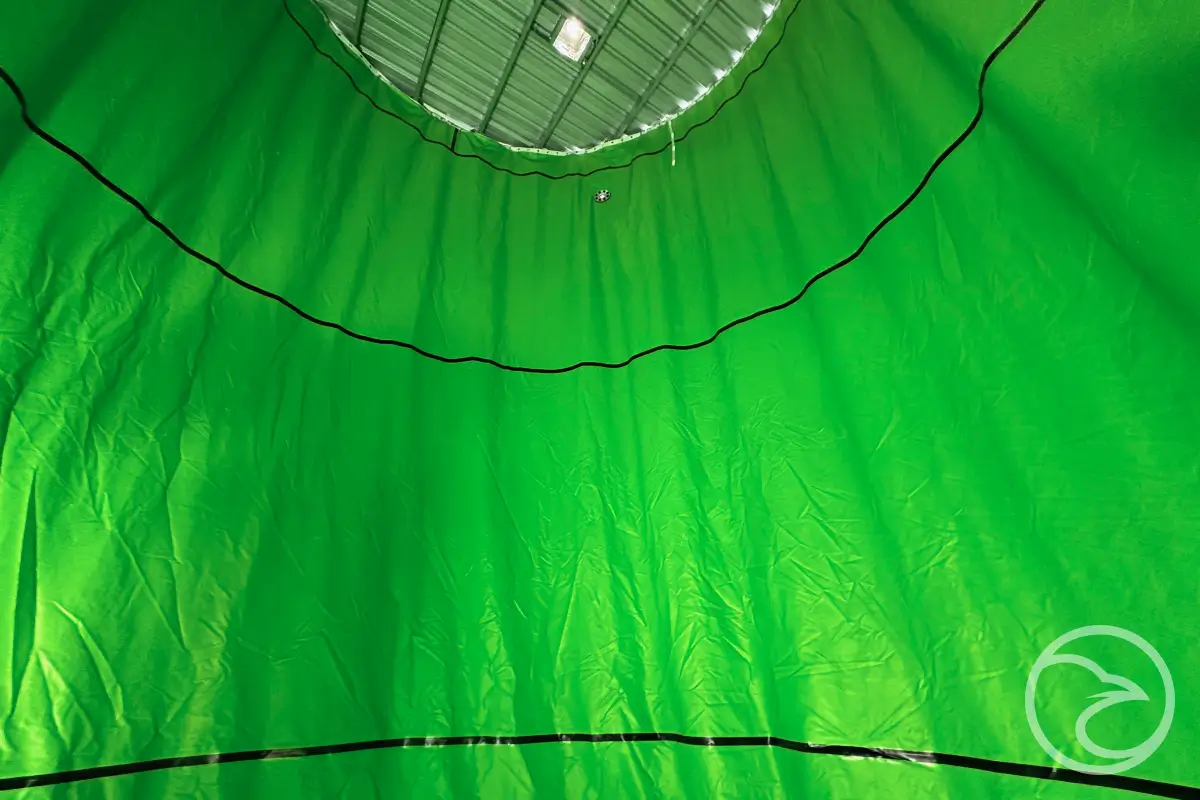
Water tank liners play an important role in protecting stored water and extending the life of storage tanks. They create a durable barrier between the stored liquid and the tank structure, reducing corrosion, preventing leaks, and helping maintain water quality.
Modern liners are used across many industries. They support potable water storage, fire protection systems, wastewater treatment, agriculture, mining, and industrial processing. Selecting the right liner depends on several factors, including the stored liquid, the tank material, environmental conditions, and compliance requirements.
This water tank liner guide explains the main types of water tank liners, their applications, common materials, expected lifespan, and the factors that influence long-term performance. Whether you’re planning a new installation or evaluating an existing system, understanding these fundamentals makes it easier to choose an appropriate solution.
What is a Water Tank Liner?
A water tank liner is a flexible membrane installed inside a storage tank to create a watertight and protective barrier. Rather than replacing an ageing tank, a liner restores its ability to safely contain water while protecting the tank from ongoing deterioration.
Tank liners are manufactured from engineered polymers designed to withstand different environmental and operational conditions. Depending on the application, they may prioritise drinking water safety, chemical resistance, UV stability, or long-term durability.
Unlike external coatings, liners provide continuous internal protection by separating stored water from the tank walls. This reduces direct contact with steel, concrete, or other construction materials, helping minimise corrosion, contamination, and structural wear.
Water tank liners are commonly installed in:
- potable water storage tanks
- fire water tanks
- wastewater tanks
- chemical storage tanks
- agricultural water reservoirs
- industrial process water tanks
Many liner systems are custom fabricated to match the dimensions and configuration of a specific tank. This allows existing infrastructure to remain in service without the cost and disruption of complete tank replacement.
Why Water Tank Liners Matter
Water storage systems operate under demanding conditions. Constant exposure to moisture, temperature changes, sunlight, and stored liquids gradually affects both the tank structure and the quality of the stored water.
A properly selected liner helps address these challenges by protecting both the tank and its contents.
Key benefits include:
- preventing water leakage
- reducing internal corrosion
- protecting concrete surfaces from deterioration
- maintaining water quality
- extending the operational life of the tank
- reducing maintenance requirements
- improving long-term asset value
For potable water systems, liners also help maintain hygienic storage conditions. Certified liner materials are designed to minimise the risk of contaminants entering the water supply while complying with relevant drinking water standards.
In fire protection systems, reliable water storage is equally important. A damaged or leaking tank may reduce available water during an emergency, making liner integrity a critical part of ongoing asset maintenance.
Industrial facilities often store liquids that place additional stress on storage systems. In these environments, selecting a liner with suitable chemical compatibility can significantly reduce the risk of premature failure.
Types of Water Tank Liners
Water tank liners are available in several materials, each offering different performance characteristics. The most suitable option depends on the stored liquid, operating environment, expected service life, and maintenance requirements.
No single material is ideal for every application. Understanding the strengths of each type helps simplify the selection process.
| Material | Best For | UV Resistance | Chemical Resistance | Typical Lifespan* |
|---|---|---|---|---|
| PVC | General water storage | Moderate | Moderate | 10–20 years |
| HDPE | Wastewater and industrial storage | Excellent | Excellent | 20–30 years |
| EPDM | Outdoor water storage | Excellent | Good | 20–30 years |
| Polypropylene (PP) | Chemical and industrial applications | Good | Excellent | 20–30 years |
*Actual service life depends on operating conditions, maintenance, installation quality, and exposure to environmental factors.
PVC Tank Liners
Polyvinyl chloride (PVC) is one of the most widely used liner materials for water storage applications. Its flexibility makes installation easier, particularly in tanks with complex shapes or internal fittings.
PVC tank liners provide reliable waterproofing and perform well in general water storage applications. They are commonly installed in agricultural tanks, rainwater storage systems, and some potable water applications when certified materials are used.
Compared with heavier engineering membranes, PVC is often easier to fabricate and repair. However, prolonged exposure to harsh UV conditions or aggressive chemicals may reduce its service life.
PVC liners are generally suited to applications where flexibility, affordability, and straightforward installation are priorities.
HDPE Tank Liners
High-density polyethylene (HDPE) is known for its excellent chemical resistance and long-term durability. It is widely used in demanding industrial environments where stored liquids may be corrosive or chemically aggressive.
HDPE performs well under prolonged UV exposure, making it suitable for outdoor installations. It also resists punctures and abrasion better than many softer liner materials.
Because HDPE is relatively rigid, installation may require specialised fabrication and welding techniques. Professional installation is particularly important to ensure seam integrity and long-term performance.
HDPE liners are commonly selected for:
- wastewater treatment facilities
- mining operations
- industrial process water
- chemical storage
- large outdoor storage tanks
EPDM Tank Liners
Ethylene Propylene Diene Monomer (EPDM) is a synthetic rubber membrane recognised for its flexibility and weather resistance.
Unlike more rigid materials, EPDM remains flexible across a wide temperature range. This characteristic allows it to accommodate minor structural movement without excessive stress on the membrane.
EPDM also offers excellent resistance to sunlight and ozone, making it a popular choice for exposed outdoor tanks.
Common applications include:
- potable water storage (with certified grades)
- agricultural reservoirs
- irrigation systems
- fire water storage
- exposed tanks in hot climates
Its combination of flexibility and weather resistance makes EPDM particularly suitable where seasonal temperature variation is significant.
Polypropylene (PP) Tank Liners
Polypropylene liners are designed for applications requiring high chemical resistance and dimensional stability.
They perform well in industrial environments where stored liquids may contain acids, alkalis, or other aggressive substances. Compared with some alternative materials, polypropylene also maintains good mechanical strength over extended operating periods.
PP liners are frequently used in manufacturing facilities, wastewater treatment plants, and specialised chemical storage systems.
Although polypropylene provides excellent durability, material compatibility should always be evaluated against the specific liquid being stored. Selecting a liner based solely on general performance characteristics may result in premature wear or reduced service life.
Water Tank Liners by Application
The performance requirements of a tank liner vary depending on how the stored water or liquid will be used. A liner suitable for drinking water may not be appropriate for wastewater or chemical storage. Likewise, fire protection systems require materials that remain reliable over long periods with minimal maintenance.
Understanding the intended application is one of the most important steps when selecting a liner.
Potable Water Tank Liners
Potable water tank liners are designed for storing water intended for human consumption. These liners must preserve water quality while preventing contamination from the tank structure.
Materials used for drinking water storage are manufactured to meet recognised health and safety standards. They should not release harmful substances or affect the taste, colour, or odour of the stored water.
In addition to material certification, proper installation is essential. Poorly sealed joints or damaged membranes can compromise water quality and reduce the liner’s effectiveness.
Potable water liners are commonly installed in:
- municipal water storage tanks
- commercial buildings
- hospitals
- schools
- residential developments
- remote water supply systems
Routine inspections help ensure the liner remains intact and continues to meet operational requirements. Learn more about materials, compliance requirements and best practices in our potable water tank liner guide.
Fire Water Tank Liners
Fire water tanks are expected to remain operational for many years while holding large volumes of water in reserve. The liner plays a critical role in preventing leakage and protecting the tank from internal deterioration.
Unlike potable water systems, fire water storage does not require drinking water certification. However, the liner must withstand long-term water exposure, changing temperatures, and periods of limited water movement.
Many fire protection systems are located outdoors, making UV resistance and weather durability particularly important.
A reliable liner helps:
- reduce corrosion
- minimise water loss
- maintain storage capacity
- support ongoing system reliability
- extend the service life of the tank
Because these tanks form part of critical infrastructure, regular inspections remain an important part of preventative maintenance.
Learn how to select the right liner system for fire protection storage in our fire tank liner guide.
Wastewater Tank Liners
Wastewater presents different challenges from clean water storage. Depending on the facility, wastewater may contain suspended solids, biological matter, oils, or various chemicals that accelerate material degradation.
Liners used in these environments require high resistance to chemical attack and abrasion. Material selection should always consider the composition of the stored liquid rather than relying on general durability alone.
Wastewater liners are commonly used in:
- treatment plants
- industrial processing facilities
- mining operations
- agricultural wastewater systems
- stormwater management infrastructure
Choosing a chemically compatible liner helps reduce maintenance requirements and supports longer service life.
Chemical Storage Tank Liners
Chemical storage is one of the most demanding applications for tank liners. Different chemicals react differently with polymer materials, making compatibility testing essential before installation.
Acids, alkalis, solvents, and industrial process chemicals can affect liner performance if an unsuitable material is selected.
When specifying a liner for chemical storage, several factors should be evaluated:
- chemical composition
- operating temperature
- storage duration
- concentration levels
- cleaning procedures
- expected service conditions
Rather than choosing the strongest material available, engineers typically select the material that offers the best compatibility with the specific chemical being stored.
Water Tank Liners by Tank Material
The construction material of the tank also influences liner selection. Each tank type presents unique installation requirements and long-term performance considerations.
A properly designed liner should protect the existing structure while accommodating its shape and operating conditions.
Concrete Tanks
Concrete tanks are durable but naturally porous. Over time, small cracks and surface deterioration can allow water to escape or external contaminants to enter the system.
Installing a liner creates a waterproof barrier that isolates stored water from the concrete surface.
This approach offers several advantages:
- reduces leakage
- protects ageing concrete
- improves water quality
- simplifies future maintenance
- extends the usable life of the structure
Concrete tanks are often rehabilitated with liners instead of being demolished and rebuilt. Explore our concrete tank liners to see how they protect and restore existing concrete water tanks.
Steel Tanks
Steel provides excellent structural strength but remains vulnerable to corrosion when exposed to water over extended periods.
Even protective coatings eventually deteriorate, particularly in older tanks.
A liner separates the stored liquid from the steel surface, significantly reducing corrosion rates and helping preserve structural integrity.
Many operators choose to install a liner during scheduled refurbishment projects rather than waiting for corrosion to become a major issue.
GRP Tanks
Glass Reinforced Plastic (GRP) tanks already provide good corrosion resistance. However, ageing panels, joint movement, or years of continuous service can eventually affect watertightness.
Installing an internal liner provides an additional layer of protection while reducing the need for extensive structural repairs.
For ageing GRP tanks, liners often provide a practical method of extending operational life without replacing the entire system.
Modular Tanks
Modular tanks consist of individual panels connected by numerous joints and fasteners. While this design offers installation flexibility, each joint represents a potential location for leakage over time.
An internal liner creates a continuous waterproof membrane across the entire tank interior, reducing dependence on individual panel seals.
This solution is commonly used during refurbishment projects where the tank structure remains sound but the original sealing system has reached the end of its service life.
Factors that Affect Tank Liner Performance
The lifespan of a liner depends on more than its material. Environmental conditions, operating practices, and installation quality all influence long-term performance.
Understanding these factors helps maximise the return on investment while reducing unexpected maintenance.
UV Exposure
Outdoor tanks experience continuous sunlight throughout the year. Ultraviolet radiation gradually degrades some polymer materials, making UV-resistant liners essential for exposed installations.
Where possible, tank covers or enclosed structures can further reduce UV-related ageing.
Temperature Fluctuations
Daily and seasonal temperature changes cause both the tank structure and the liner to expand and contract.
Materials that retain flexibility across a wide temperature range generally perform better under these conditions.
Extreme temperatures may also influence the properties of the stored liquid, increasing stress on the liner.
Water Quality
Not all stored water has the same characteristics.
High mineral content, biological growth, sediment, or dissolved chemicals may affect liner performance over time. Regular cleaning helps prevent excessive build-up that could accelerate wear.
Where water chemistry changes frequently, liner compatibility should be reviewed as part of routine maintenance planning.
Chemical Exposure
Industrial facilities often store liquids that place greater demands on liner materials than clean water.
Selecting a chemically compatible liner reduces the likelihood of swelling, cracking, or premature degradation.
Compatibility should always be verified using the manufacturer’s recommendations rather than relying on general material descriptions.
Installation Quality
Even the highest-quality liner can underperform if installed incorrectly.
Poor seam welding, inadequate anchoring, or improper surface preparation can create weak points that eventually develop into leaks.
Professional installation, combined with thorough inspection and testing, provides the best opportunity for long-term performance.
Routine Maintenance
Tank liners require significantly less maintenance than many alternative repair methods, but they should not be considered maintenance-free.
Regular inspections can identify small issues before they develop into larger problems.
A preventative maintenance programme typically includes:
- visual inspections
- checking seams and penetrations
- removing accumulated sediment
- monitoring signs of wear
- repairing minor damage promptly
Early intervention often prevents more extensive repairs and helps maximise the liner’s service life.
How Long Does a Water Tank Liner Last?
A well-designed and professionally installed water tank liner can often provide reliable service for 20 years or more. However, actual lifespan depends on several interacting factors rather than the liner material alone.
The operating environment is one of the biggest influences. Outdoor tanks exposed to intense UV radiation, temperature fluctuations, or harsh weather generally experience greater material stress than enclosed installations.
The type of liquid being stored also affects longevity. Clean potable water places relatively low demands on most liner materials, while wastewater or aggressive chemicals may accelerate ageing if the liner is not specifically selected for those conditions.
In many cases, liners reach the end of their useful life gradually rather than failing suddenly. Signs that a liner may require further assessment include:
- recurring leaks
- visible cracking or brittleness
- seam separation
- loss of flexibility
- persistent repair requirements
When these issues become more frequent, asset owners must decide whether repairing the existing liner remains practical or whether replacement offers better long-term value.
Wondering how long a liner will last? Read our guide, how long do tank liners last?, to learn what affects service life.
Tank Liner Repair vs Replacement
Tank liners are designed for long-term performance, but no lining system lasts forever. Over time, exposure to water, temperature changes, UV radiation, and normal wear can reduce its effectiveness. When problems appear, the next step is determining whether repair or replacement is the most practical solution.
In many cases, minor damage can be repaired without replacing the entire liner. Localised repairs are typically suitable when the liner remains in good overall condition and the affected area is limited.
Repairs may be appropriate when:
- the damage is confined to a small area
- seams require minor restoration
- isolated punctures or tears are identified
- the liner material is still flexible and structurally sound
- the repair can restore full watertight performance
However, repairs become less effective as the liner approaches the end of its service life. Repeated patching may increase maintenance costs without addressing the underlying deterioration.
Replacement is generally the better long-term option when:
- leaks occur in multiple locations
- the material has become brittle
- seams are failing across large sections
- chemical exposure has degraded the membrane
- the liner no longer meets operational requirements
Rather than focusing only on the immediate repair cost, facility managers often evaluate the remaining service life of the liner. Replacing an ageing liner during scheduled maintenance can reduce future downtime and improve long-term asset reliability.
Learn more about the factors involved in tank liner repair vs replacement in our detailed guide.
What Affects the Cost of a Water Tank Liner?
This water tank liner guide highlights that there is no standard cost for a water tank liner. Every installation is unique, and several technical factors influence the overall project scope.
Understanding these variables helps asset owners compare solutions based on lifecycle performance rather than upfront cost alone.
Liner Material
Different materials have different manufacturing processes, performance characteristics, and expected service lives.
For example, liners designed for chemical storage typically require higher chemical resistance than those used for general water storage. Certified potable water liners may also involve additional compliance requirements.
Material selection should be based on suitability for the application rather than initial cost alone.
Tank Size and Shape
Larger tanks require more liner material, additional fabrication, and longer installation times.
Tank geometry can also influence project complexity. Cylindrical, rectangular, modular, and irregularly shaped tanks each require different fabrication techniques.
Internal columns, pipe penetrations, ladders, and structural supports may further increase installation complexity.
New Installation or Replacement
Installing a liner in a new tank is generally more straightforward than replacing an existing one.
Replacement projects often include:
- removal of the old liner
- cleaning internal surfaces
- structural inspection
- preparation work before installation
The condition of the existing tank can therefore influence both project duration and labour requirements.
Site Access
Installation becomes more complex when tanks are located in confined spaces, elevated structures, or remote locations.
Limited access may require specialised equipment or additional safety procedures. These logistical considerations can affect both installation planning and project costs.
Compliance Requirements
Some applications require liners that comply with recognised industry standards.
For example, potable water storage may require certified materials suitable for drinking water, while fire protection systems may have specific performance expectations depending on the project specification.
Meeting these requirements influences material selection and quality assurance processes.
Installation Quality
Professional installation is a significant part of any liner project.
Correct measurement, fabrication, seam welding, anchoring, and testing all contribute to long-term performance. Investing in quality installation often reduces maintenance costs throughout the life of the liner.
Rather than comparing projects based solely on price, organisations typically consider the total lifecycle value of the liner system.
Choosing the Right Water Tank Liner
Selecting the right liner involves more than choosing a material. The best solution is one that matches the operating conditions, the stored liquid, and the existing tank structure.
Before selecting a liner, it is useful to consider several key questions.
What will the tank store?
Clean drinking water, wastewater, fire water, and industrial chemicals each require different performance characteristics.
What material is the tank constructed from?
Concrete, steel, GRP, and modular tanks present different installation requirements and maintenance considerations.
Will the tank be exposed to sunlight?
Outdoor installations benefit from materials with strong UV resistance and weather durability.
How long is the liner expected to remain in service?
Expected service life should align with the organisation’s long-term asset management strategy.
Are there any regulatory requirements?
Applications involving potable water or specialised industrial processes may require certified liner materials.
Considering these questions during project planning helps ensure the selected liner performs reliably throughout its intended service life.
Conclusion
This water tank liner gide provides an overview of the key factors involved in selecting and maintaining a liner. Water tank liners help protect storage infrastructure, maintain water quality, and extend the operational life of existing tanks. Their long-term performance depends on choosing the right material for the intended application, ensuring professional installation, and carrying out regular inspections throughout the liner’s service life.
Whether the tank stores potable water, fire water, wastewater, or industrial liquids, understanding the characteristics of different liner materials makes it easier to choose a solution that meets operational requirements and supports long-term asset reliability.
If an existing liner begins to show signs of wear, assessing its condition early can help determine whether repair or replacement offers the best long-term outcome. A structured maintenance approach not only reduces unexpected downtime but also helps maximise the value of the entire storage system.