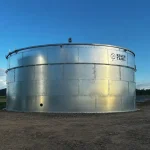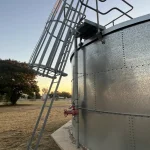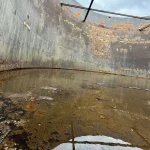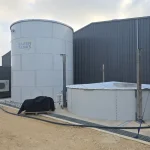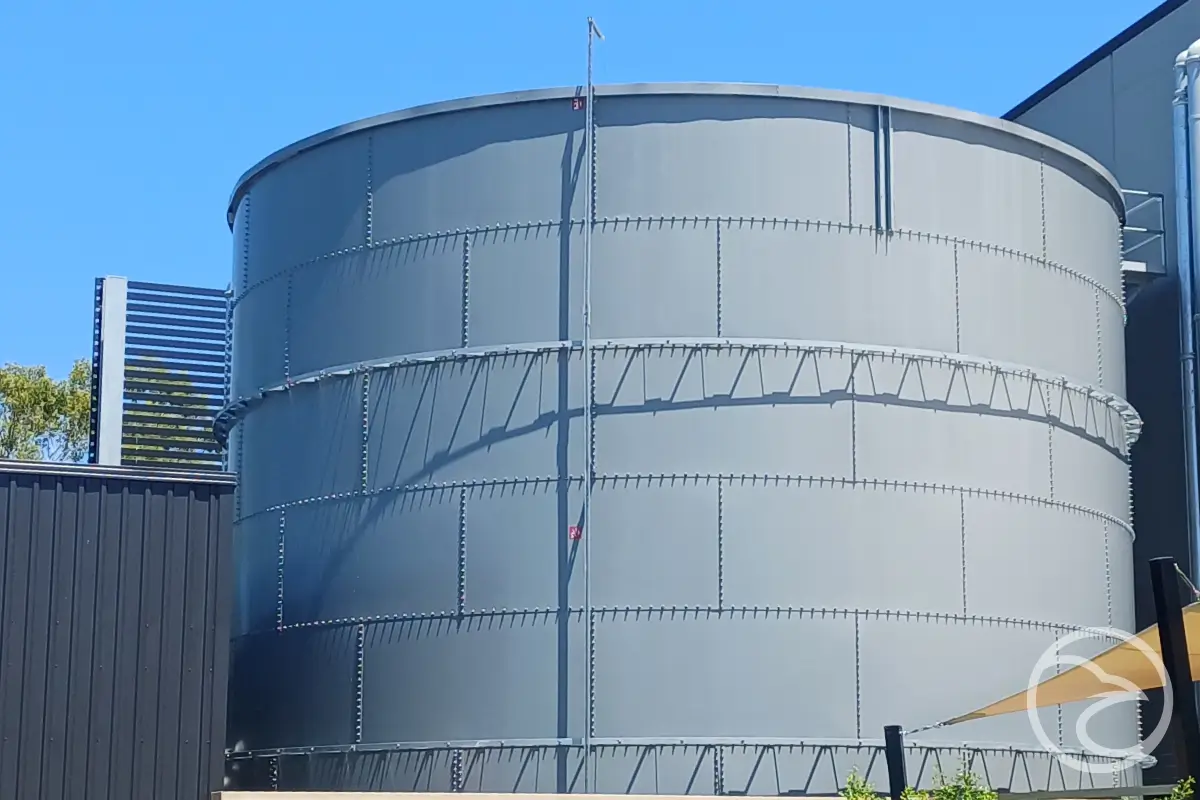
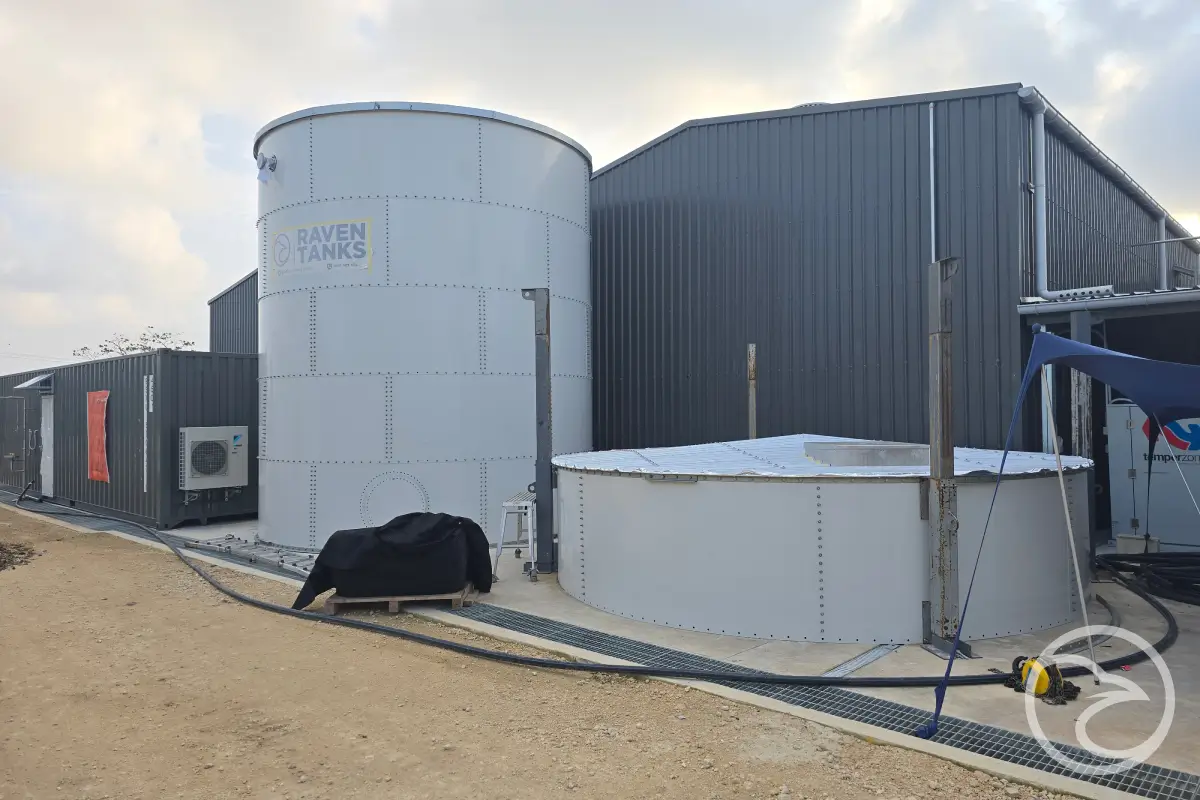
Safe drinking water storage is essential for homes, businesses and industrial facilities. However, not every water tank is suitable for storing drinking water.
A potable water tank is specifically designed to maintain water quality and protect stored water from contamination.
Understanding what makes a water tank potable can help ensure a safe and reliable water supply.
What Does Potable Mean?
Potable water is water that is safe for human consumption.
It can be used for:
- Drinking
- Cooking
- Food preparation
- Personal hygiene
To remain potable, water must be protected from contaminants during storage and distribution.
This is where potable water tanks play an important role.
What Makes a Water Tank Potable?
Several factors determine whether a water tank is suitable for drinking water storage.
These factors include:
- Tank materials
- Water quality protection
- Tank design
- Maintenance practices
- Regulatory compliance
Each element contributes to maintaining safe water quality over time.
Suitable Materials for Potable Water Tanks
Material selection is one of the most important considerations. Not all materials are appropriate for storing drinking water.
Potable water tanks are typically manufactured using materials that do not negatively affect water quality.
Common options include:
Stainless Steel
Stainless steel is widely used for potable water storage. It offers excellent durability and corrosion resistance.
The material is also easy to clean and maintain.
GRP (Glass Reinforced Plastic)
GRP tanks are popular due to their strength and resistance to corrosion. They are commonly used in commercial and industrial applications.
Polyethylene
Polyethylene tanks are often used for smaller-scale water storage. Food-grade materials are required for potable applications.
Coated Steel
Certain coated steel tanks may be suitable for drinking water storage when appropriate coatings are used. The coating must be designed for potable water contact.
Why Material Certification Matters
Suitable materials alone are not enough. Products that come into contact with drinking water should be tested for their impact on water quality.
In Australia, AS/NZS 4020 is commonly referenced for products intended to contact drinking water. Additional information is available through the Australian Drinking Water Guidelines and Standards Australia.
This standard evaluates whether materials affect:
- Taste
- Odour
- Appearance
- Water quality
Compliance with relevant standards helps support safe water storage outcomes.
Protecting Water Quality
A potable water tank must do more than hold water. It must also protect stored water from contamination.
Potential contamination sources include:
- Dust
- Debris
- Insects
- Animals
- Surface runoff
- Microbial growth
If you are evaluating the condition of an existing water storage system, learn more about our potable water tank condition assessment services and how they can help identify maintenance, refurbishment or replacement requirements.
Features of a Potable Water Tank
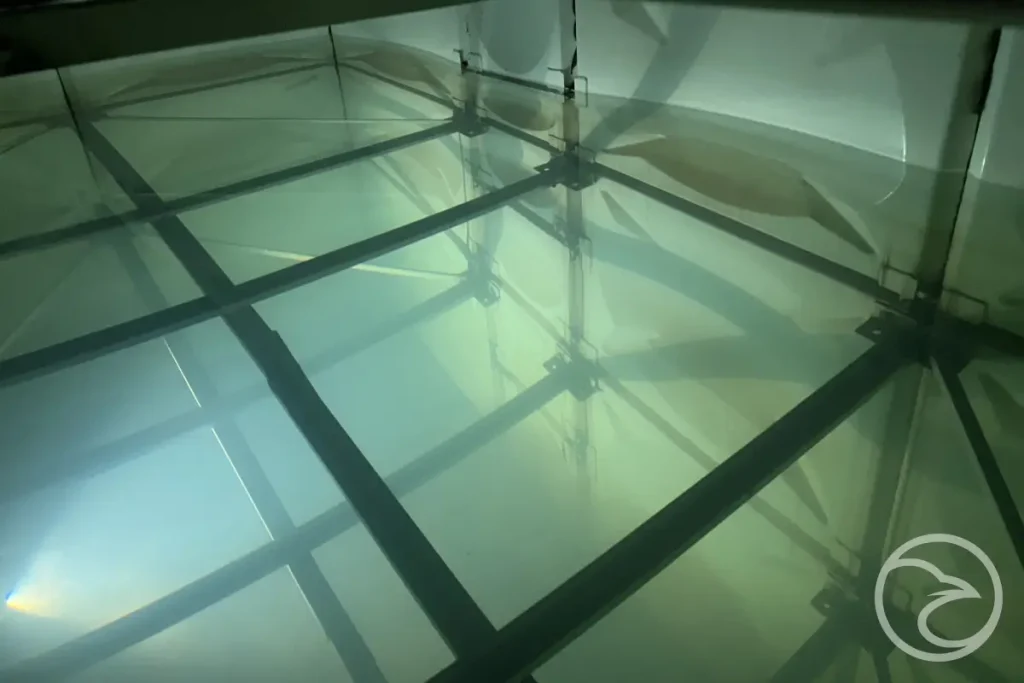
Potable water tanks often include features designed to maintain water quality.
These may include:
- Secure access covers
- Sealed roof systems
- Screened vents
- Overflow protection
- Hygienic internal surfaces
These features help prevent external contaminants from entering the tank.
The Importance of Tank Design
Design plays a major role in potable water storage. Poorly designed tanks can create conditions that affect water quality.
A well-designed potable water tank should:
- Minimise stagnant water
- Support regular cleaning
- Allow inspection access
- Protect against contamination
- Promote long-term performance
Proper design can help simplify ongoing maintenance and improve reliability.
Why Regular Cleaning Matters
Even a well-designed tank requires maintenance. Over time, sediment and debris may accumulate inside the tank.
Regular cleaning helps maintain water quality and system performance.
The required cleaning frequency will depend on:
- Water source
- Environmental conditions
- Tank usage
- Site requirements
Routine inspections can also help identify potential issues before they become serious.
Potable Water Storage for Commercial and Industrial Facilities
Many commercial and industrial sites rely on potable water storage.
Examples include:
- Commercial buildings
- Manufacturing facilities
- Remote sites
- Mining operations
- Community infrastructure
These facilities often require large-capacity water storage systems. Maintaining water quality remains a critical priority regardless of tank size.
Common Mistakes to Avoid
Several mistakes can compromise potable water quality.
Common examples include:
- Using non-approved materials
- Neglecting tank maintenance
- Allowing debris to enter the tank
- Failing to inspect the system
- Ignoring water quality concerns
Addressing these issues early can help prevent more significant problems later.
How to Choose a Potable Water Tank
Selecting the right potable water tank involves more than choosing a storage capacity.
Important considerations include:
- Water quality requirements
- Tank material
- Site conditions
- Maintenance needs
- Long-term durability
The most suitable solution will depend on the intended application and operating environment.
If you are evaluating the condition of an existing water storage system, learn more about our potable water tank condition assessment services and how they can help identify maintenance, refurbishment or replacement requirements.
Final Thoughts
A water tank is considered potable when it can safely store drinking water without affecting quality.
Suitable materials, proper design and ongoing maintenance all play important roles.
Water quality protection should remain a priority throughout the life of the system.
By understanding the factors that make a water tank potable, organisations can make informed decisions and support safe, reliable water storage.