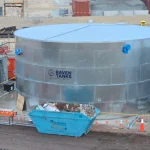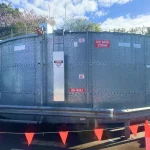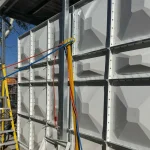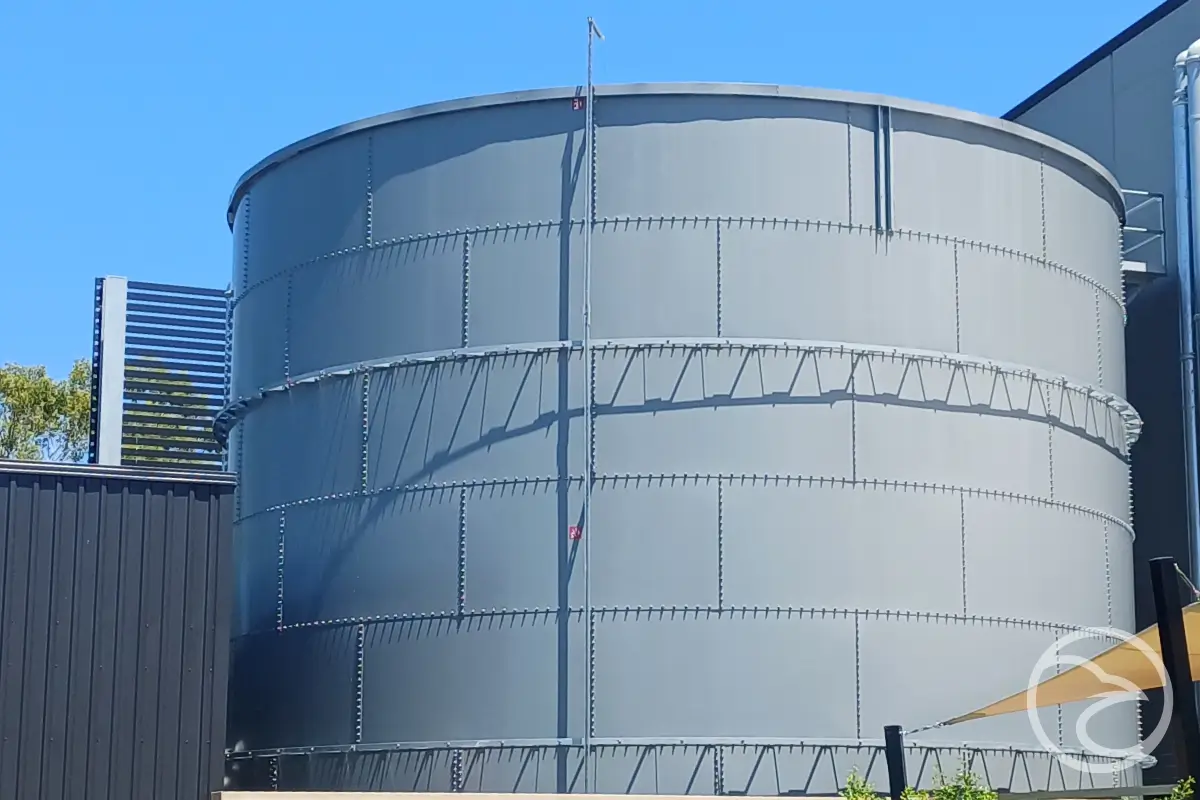
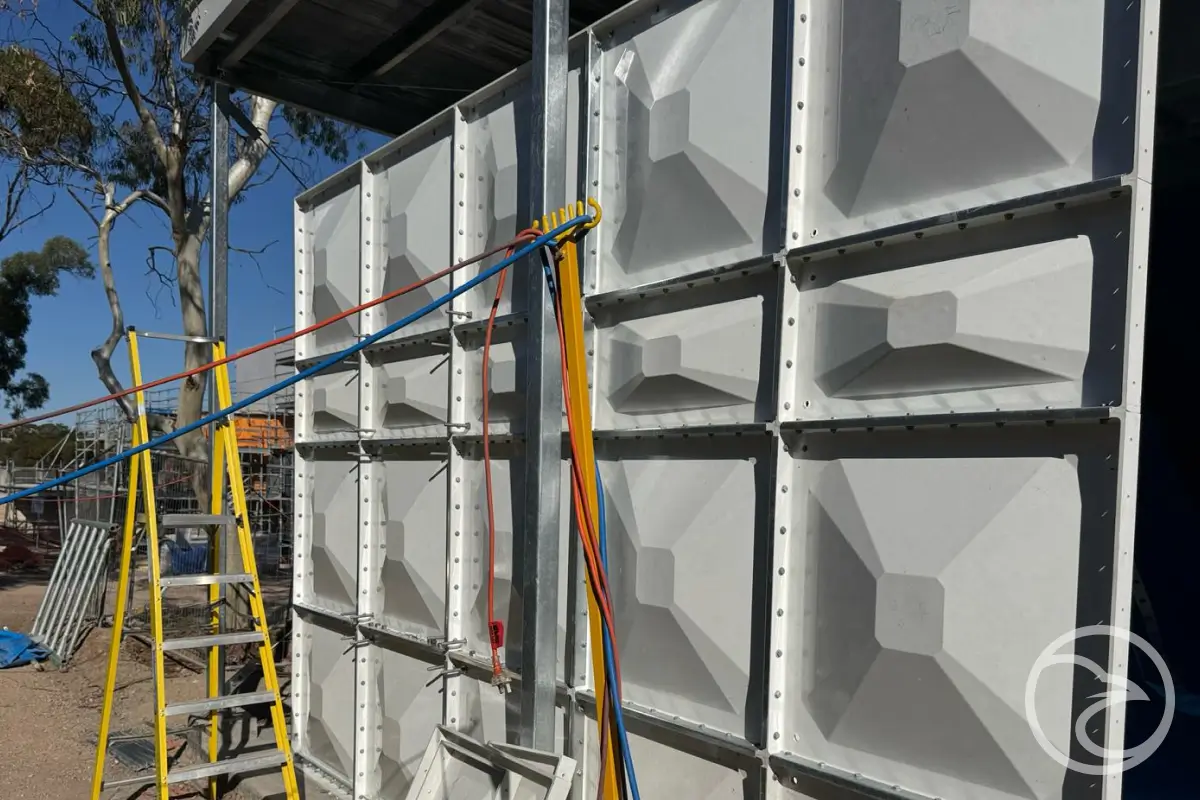
Fiberglass storage tanks are widely used in industrial, commercial, and municipal facilities because of their durability, corrosion resistance, and relatively low maintenance requirements. These tanks are designed to handle a wide range of liquids and environmental conditions. However, like any storage system, fiberglass tanks can experience wear and damage over time.
Understanding how fiberglass storage tanks get damaged is important for preventing serious structural problems, maintaining water quality, and extending the lifespan of the tank. Many types of damage develop gradually and may not be immediately visible, which is why regular inspections and early detection are essential.
Environmental Exposure and UV Damage
One of the most common factors affecting fiberglass tanks is long-term exposure to environmental conditions. Tanks that are installed outdoors are constantly exposed to sunlight, temperature changes, wind, and moisture.
Ultraviolet (UV) radiation from sunlight can gradually weaken the outer resin layer of fiberglass tanks. Over time, this exposure may cause the surface to fade, become brittle, or develop small cracks. These cracks can allow moisture to penetrate deeper into the structure, increasing the risk of long-term deterioration.
Extreme temperature fluctuations can also place stress on the tank structure. Expansion and contraction caused by heat and cold cycles may lead to minor structural strain, particularly in older tanks or systems that were not properly installed.
Structural Stress and Improper Installation
Improper installation is another major reason why fiberglass tanks may develop damage. When tanks are installed on uneven foundations or without proper structural support, stress can be distributed unevenly across the tank walls.
This stress can lead to several problems, including:
- small surface cracks along the tank walls
- deformation or warping of the tank structure
- stress fractures near fittings or connection points
- weakening of structural joints
Over time, these issues may worsen if the tank continues to operate under uneven load conditions. Proper installation and structural support are critical to ensuring long-term stability.
Chemical Exposure
Fiberglass tanks are designed to store a variety of liquids, but certain chemicals can still affect the internal lining if the tank is not specifically designed for that material. Harsh chemicals, aggressive cleaning agents, or incompatible substances may gradually degrade the resin layer inside the tank.
Chemical exposure may cause several types of damage:
- softening or weakening of the internal lining
- blistering or bubbling on interior surfaces
- gradual deterioration of protective coatings
- reduced resistance to corrosion and contamination
Selecting the correct tank materials for the stored liquid and monitoring chemical compatibility can significantly reduce the risk of internal damage.
Sediment and Debris Accumulation
Another factor that contributes to tank deterioration is the accumulation of sediment and debris inside the storage system. Over time, particles such as sand, minerals, organic matter, and other contaminants may settle at the bottom of the tank.
When sediment builds up, it can create an environment where bacteria and microorganisms grow more easily. This buildup may also place additional stress on the tank floor and internal surfaces.
In many cases, sediment accumulation can hide early signs of structural issues. Regular inspections and cleaning procedures help prevent these materials from causing long-term damage.
Physical Impact and External Damage
External impact is another common cause of damage in fiberglass storage tanks. Equipment, vehicles, tools, or falling objects may strike the tank and create cracks or surface fractures.
Even small impacts can weaken the fiberglass structure if they affect critical areas such as seams, access points, or pipe connections. Over time, these damaged areas may expand due to pressure, temperature changes, or environmental exposure.
Facility operators should ensure that tanks are installed in protected areas where accidental impact is less likely to occur.
If structural damage progresses over time, specialized tank repair solutions may be required to restore system integrity.
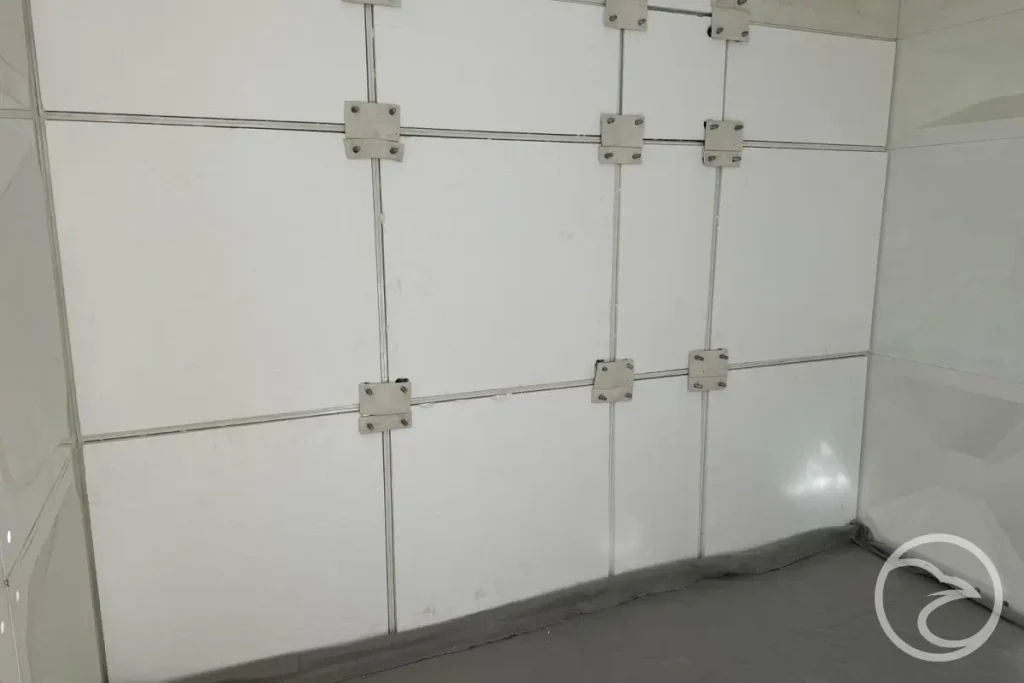
Lack of Routine Inspection
One of the biggest reasons damage goes unnoticed is the absence of regular inspections. Because fiberglass tanks are often part of a larger infrastructure system, they may operate for long periods without close monitoring.
Without routine inspection, small issues such as minor cracks, coating damage, or sediment buildup can gradually become larger structural problems. Identifying early warning signs helps prevent serious failures and costly repairs.
Understanding how fiberglass storage tanks get damaged allows facility managers and property owners to take preventive steps before major problems develop.
Maintaining the Integrity of Fiberglass Tanks
Fiberglass tanks are built for long-term performance, but their durability still depends on proper care and monitoring. Environmental exposure, chemical compatibility, installation quality, and routine inspections all play important roles in protecting the structure of the tank.
By identifying potential risks early and maintaining proper operating conditions, facilities can extend the service life of their storage systems and reduce the likelihood of major structural issues. In cases where damage does occur, professional fiberglass tank repairs may be necessary to restore the integrity and safe operation of the tank.