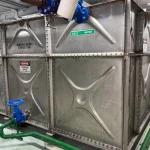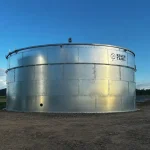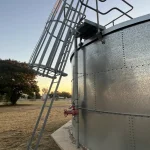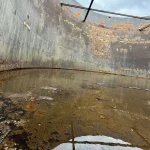

Water tank failure is a gradual process, not a sudden event. It develops over time due to stress, aging, and environmental factors. Most tanks show early warning signs before major damage occurs. Ignoring these signs can lead to structural issues or complete failure.
Understanding how tanks fail helps prevent costly and unsafe situations.
Main Causes of Water Tank Failure
Corrosion and Material Degradation
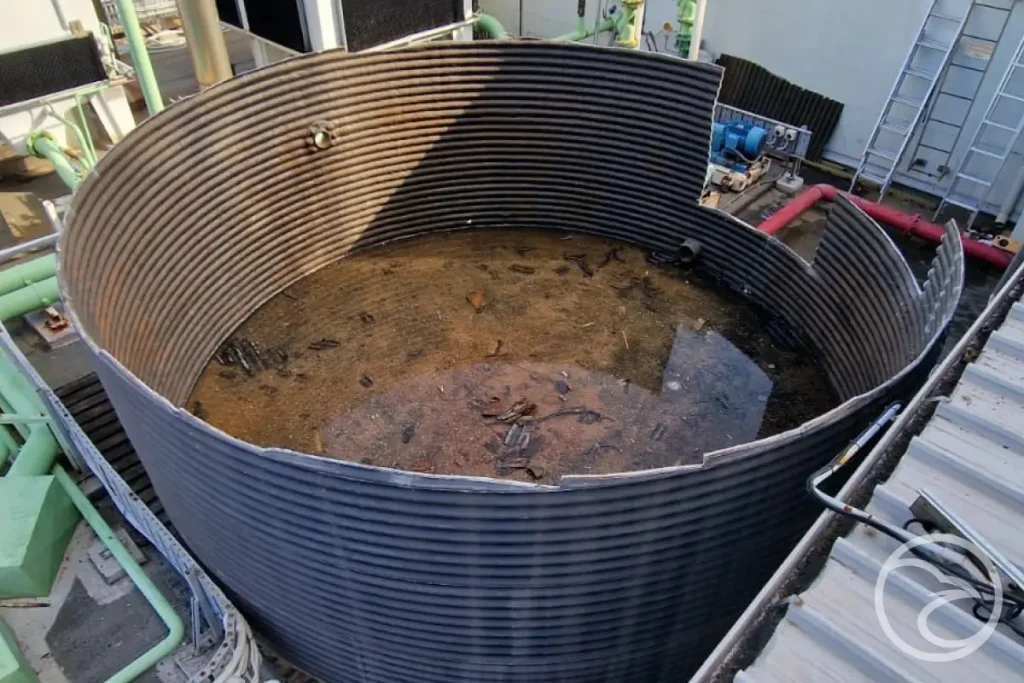
Corrosion is one of the most common causes of tank failure. It weakens metal surfaces and reduces structural strength.
Over time, rust can create holes or cracks in the tank walls. Water quality and chemical exposure can accelerate this process.
Foundation Movement and Structural Stress
Tanks rely on stable foundations for proper support. Ground movement can cause uneven pressure on the tank structure.
This stress may lead to deformation, cracks, or joint failure. Even small shifts can affect long-term stability.
Weather and Environmental Exposure
Outdoor tanks face constant exposure to weather conditions. Sunlight, rain, and temperature changes impact materials over time.
UV radiation can degrade protective coatings and liners. Moisture can increase the risk of corrosion and surface damage.
Poor Maintenance and Aging
All tanks degrade as they age. Without regular checks, small issues can go unnoticed.
Sediment buildup, minor leaks, and worn components reduce performance.Over time, these issues increase the risk of failure.
Mechanical and Operational Damage
Tanks can be damaged during operation or maintenance activities. Improper use of equipment may affect structural elements.
Excessive pressure or incorrect loading can also cause damage. These factors often accelerate existing weaknesses.
Early Signs of Tank Failure
Most tanks show visible signs before serious problems develop.
Common warning signs include:
- small leaks or damp areas
- rust or surface corrosion
- bulging or deformation of panels
- unusual noises or vibrations
- changes in water clarity or quality
These signs should never be ignored. They often indicate deeper structural issues.
Why Early Detection Matters
Early detection helps prevent major structural damage. It also reduces safety risks and unexpected downtime. Small issues are easier to manage when found early. Delays can lead to more complex and expensive problems.
Regular checks improve long-term tank performance and reliability.
How Inspections Help Prevent Tank Failure
Regular tank inspections help identify problems at an early stage. They allow for better understanding of tank condition over time. Inspections focus on structure, materials, and visible damage. They also help detect hidden risks that are not obvious.
A consistent inspection approach supports safe and stable operation. It also helps extend the lifespan of the tank.