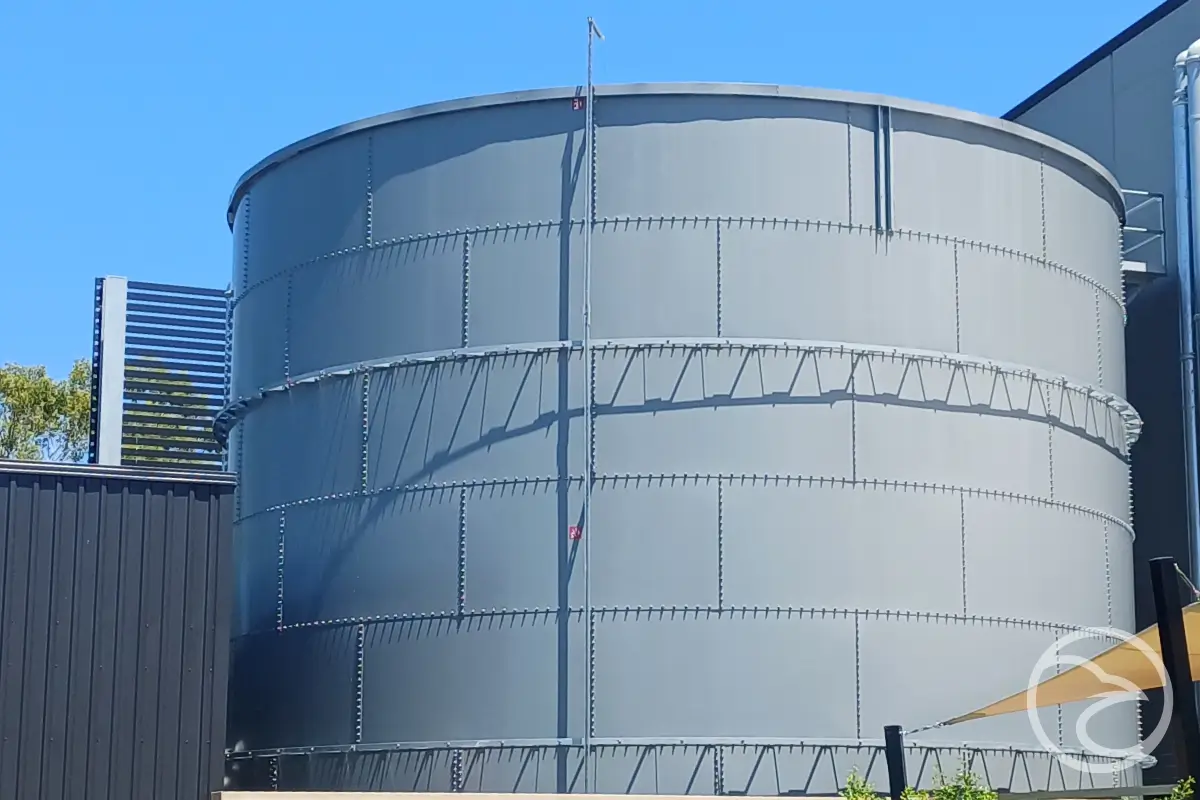
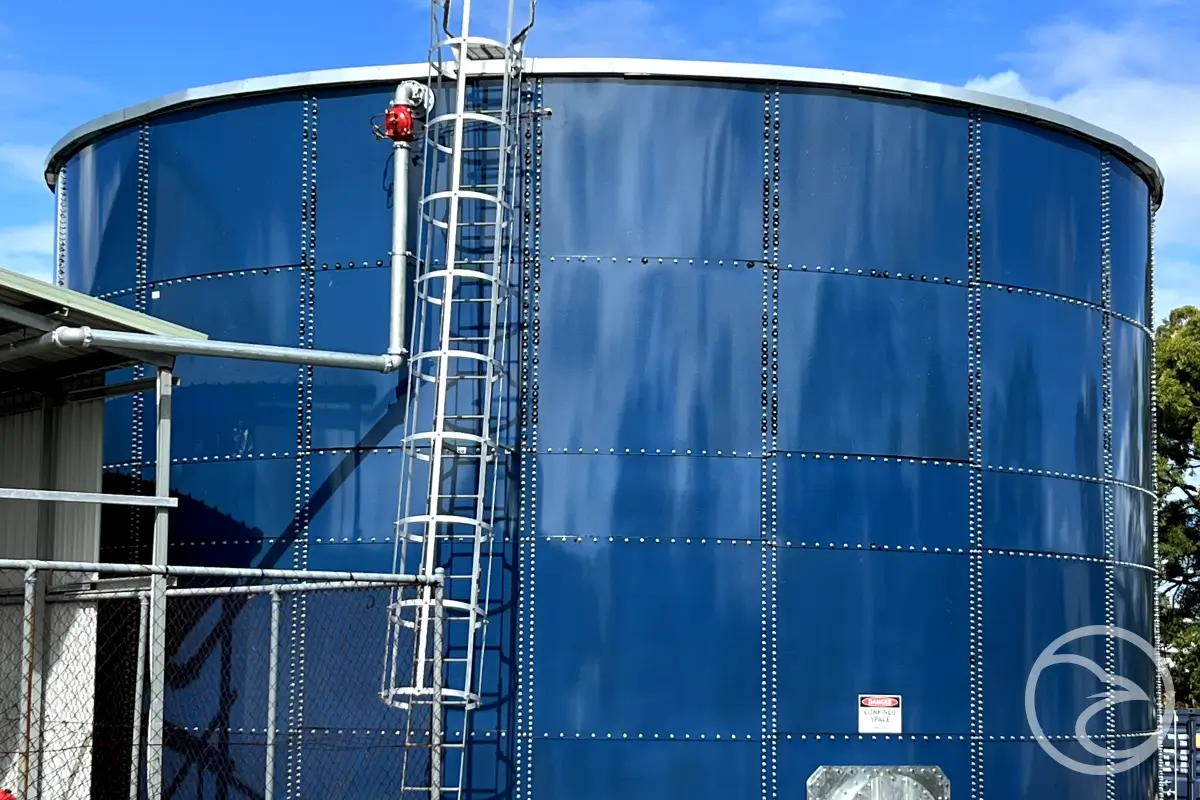
Corrosion is one of the most persistent challenges in industrial storage infrastructure. Tanks used for water, wastewater, chemicals, agricultural liquids, or industrial process fluids are constantly exposed to moisture, reactive substances, and environmental stress. Because of this, material selection and protective coatings play a critical role in long-term reliability.
One technology frequently discussed in this context is glass-fused-to-steel, known for its strong corrosion resistance and durability.
How Glass Fused Steel Coating Works
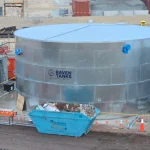
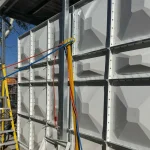
Glass fused to steel refers to a manufacturing process where powdered glass is bonded to a steel surface at very high temperatures. During firing, the glass melts and chemically bonds with the steel substrate, forming a tightly integrated composite material. This fusion creates a surface that combines the mechanical strength of steel with the chemical inertness of glass.
Unlike simple paint or polymer coatings, the fused glass layer becomes part of the tank surface rather than sitting loosely on top. This reduces the likelihood of peeling, cracking, or rapid degradation under normal operating conditions.
Chemical Stability and Non-Reactive Surface
One of the key reasons for strong corrosion resistance is the chemical stability of glass itself. Glass is naturally inert and resistant to many acids, salts, and moisture conditions commonly encountered in industrial storage environments. When fused with steel, it acts as a barrier that prevents corrosive substances from reaching the metal beneath.
This barrier effect is particularly valuable in applications where stored liquids may vary in composition or where environmental exposure fluctuates over time.
For broader technical context about storage solutions using this material, information on glass-fused steel storage systems helps explain how such coatings are typically applied in industrial infrastructure.
Resistance to Environmental Exposure
External environmental factors also contribute to corrosion risk. Ultraviolet radiation, humidity, temperature cycles, and airborne contaminants can gradually affect conventional coatings. Glass fused steel surfaces tend to resist UV degradation and maintain stability across temperature variations, which supports consistent performance outdoors.
Because the fused surface is smooth and non-porous, it is also less prone to contamination buildup, which further reduces corrosion risk over time.
Mechanical Durability and Surface Integrity
Corrosion resistance is not only about chemical protection; mechanical durability plays a role as well. Storage tanks experience operational stress, vibration, filling cycles, and occasional impacts during maintenance. The fused glass layer is generally hard and abrasion-resistant, helping maintain coating integrity under typical industrial conditions.
However, like any engineered system, performance depends on proper installation, handling, and maintenance practices. Severe mechanical damage can compromise protective layers regardless of material type.
Longevity and Maintenance Considerations
Glass fused steel coatings are often associated with long service life because they resist many common corrosion triggers simultaneously: moisture, chemical exposure, and environmental stress. This durability can reduce maintenance frequency compared with some traditional coating systems.
That said, routine inspection remains important. Monitoring structural condition, seals, and environmental exposure helps ensure continued performance and early detection of potential issues.
Typical Applications of Corrosion-Resistant Coatings
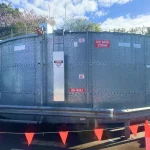
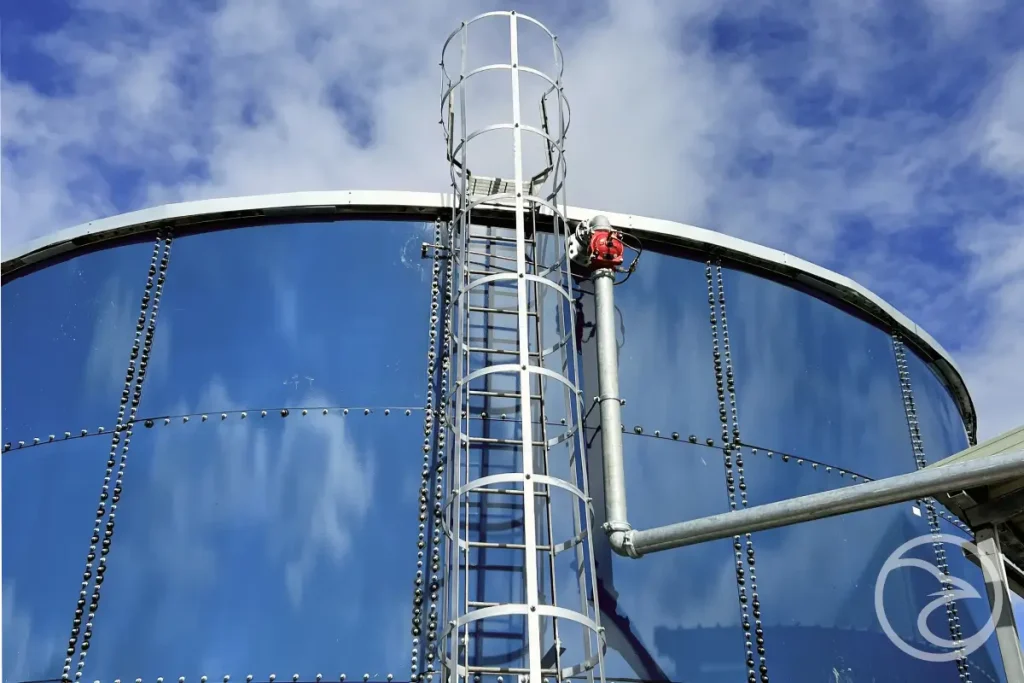
Glass fused steel technology is commonly used in infrastructure requiring reliable liquid containment. Examples include municipal water storage, wastewater treatment, agricultural systems, industrial processing facilities, and environmental protection installations.
In these settings, corrosion resistance contributes not only to structural longevity but also to safety, regulatory compliance, and environmental protection.
Why Corrosion Resistance Still Requires Monitoring
Even highly resistant materials benefit from ongoing observation. Environmental conditions, operational changes, or accidental mechanical damage can influence long-term performance. Preventive monitoring helps identify issues early, reducing operational risk and extending system lifespan.
Understanding how corrosion resistance works allows facility operators, engineers, and planners to make informed decisions about storage infrastructure. Rather than relying solely on material claims, evaluating coating technology, environmental exposure, and maintenance practices together provides a clearer picture of long-term performance.