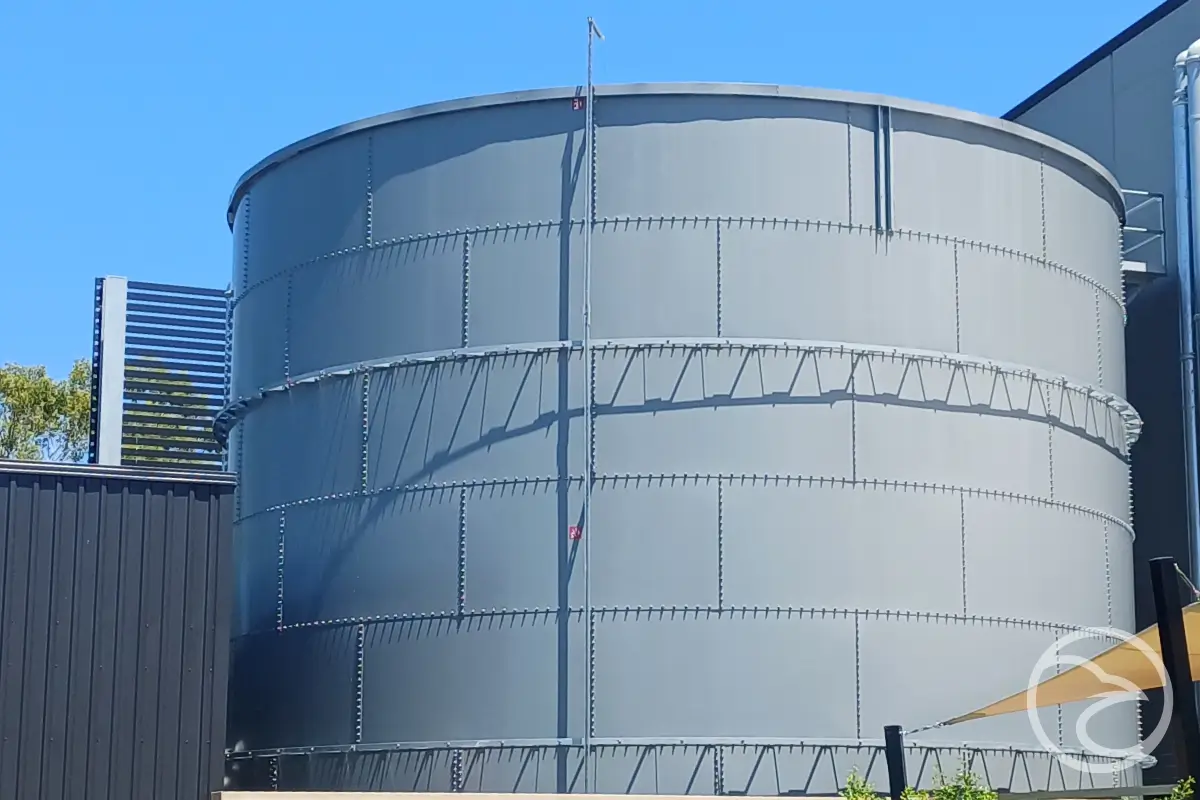

Water storage tanks play an essential role across commercial sites, agricultural operations, industrial facilities, and council-managed infrastructure. Whether a tank stores drinking water, irrigation supply, or fire reserve water, the condition of the internal liner has a direct impact on system reliability and water quality.
Tank liners are designed to act as a protective barrier between stored liquids and the tank structure. Over time, exposure to operational stress, water chemistry, and environmental conditions can gradually lead to water tank liner deterioration, reducing overall liner performance. In many cases, early signs of liner deterioration appear long before visible failure occurs.
Below are several early indicators that may suggest a decline in liner condition and the need for closer monitoring.
1. Changes in Water Appearance
Stored water should remain visually consistent under normal operating conditions. Cloudiness, discoloration, or increased sediment can indicate that the liner surface is beginning to degrade.
This may result from:
- gradual thinning of liner material
- minor surface damage allowing interaction with tank walls
- biological growth developing in affected areas
These changes do not always indicate immediate failure, but they often signal that liner performance is no longer optimal.
2. Surface Corrosion or Flaking Inside the Tank
In steel and concrete tanks, the liner prevents direct contact between water and structural surfaces. When liner integrity is compromised, corrosion or surface degradation may become visible.
Early indicators include:
- localized rust staining
- rough or uneven internal surfaces
- fine particulate residue in drained water
If left unmonitored, these issues can progress and affect the underlying tank structure.
3. Wrinkling or Movement of Liner Material
A properly installed liner should remain secure and evenly positioned. Visible ripples, sagging, or loose sections may indicate:
- material fatigue
- reduced elasticity
- shifting fixings or anchor points
These changes often develop gradually and may precede more significant liner damage.
4. Odour or Taste Changes in Potable Water
In potable water tanks, taste and odour variations can serve as early warning indicators. These changes may be linked to:
- microbial activity beneath damaged liner sections
- aging liner materials
- exposure of underlying tank surfaces
Any deviation from normal water characteristics warrants closer evaluation of liner condition.

5. Unexplained Water Level Fluctuations
A gradual or recurring drop in water level without an obvious external cause may suggest early liner seepage and ongoing water tank liner deterioration. Minor defects at seams, joints, or stress points can allow slow water loss that is easy to overlook during routine operation.
While these losses may initially appear insignificant, they can increase over time if not identified.
Why Monitoring Liner Condition Matters
Recognising early signs of liner deterioration allows facility operators to better manage tank performance and reduce long-term risk. Monitoring liner condition helps:
- minimise structural exposure
- maintain water quality
- reduce the likelihood of unplanned downtime
- support informed maintenance planning
Regular observation and documentation of subtle changes can significantly extend the effective lifespan of both the liner and the tank itself.