
Water tanks require regular monitoring to remain safe and functional. Without inspections, small issues can develop into serious problems.
Routine checks help detect damage, corrosion, and structural changes early. They also support long-term system reliability.
Recommended Inspection Frequency
Inspection frequency depends on tank type and usage conditions.
In general:
- high-use tanks should be inspected more frequently
- critical systems require regular monitoring
- low-use tanks may need less frequent checks
Regular tank inspections help maintain consistent performance over time.
Factors that Affect Inspection Frequency
Several factors influence how often a tank should be inspected.
Tank Material
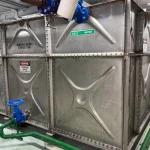
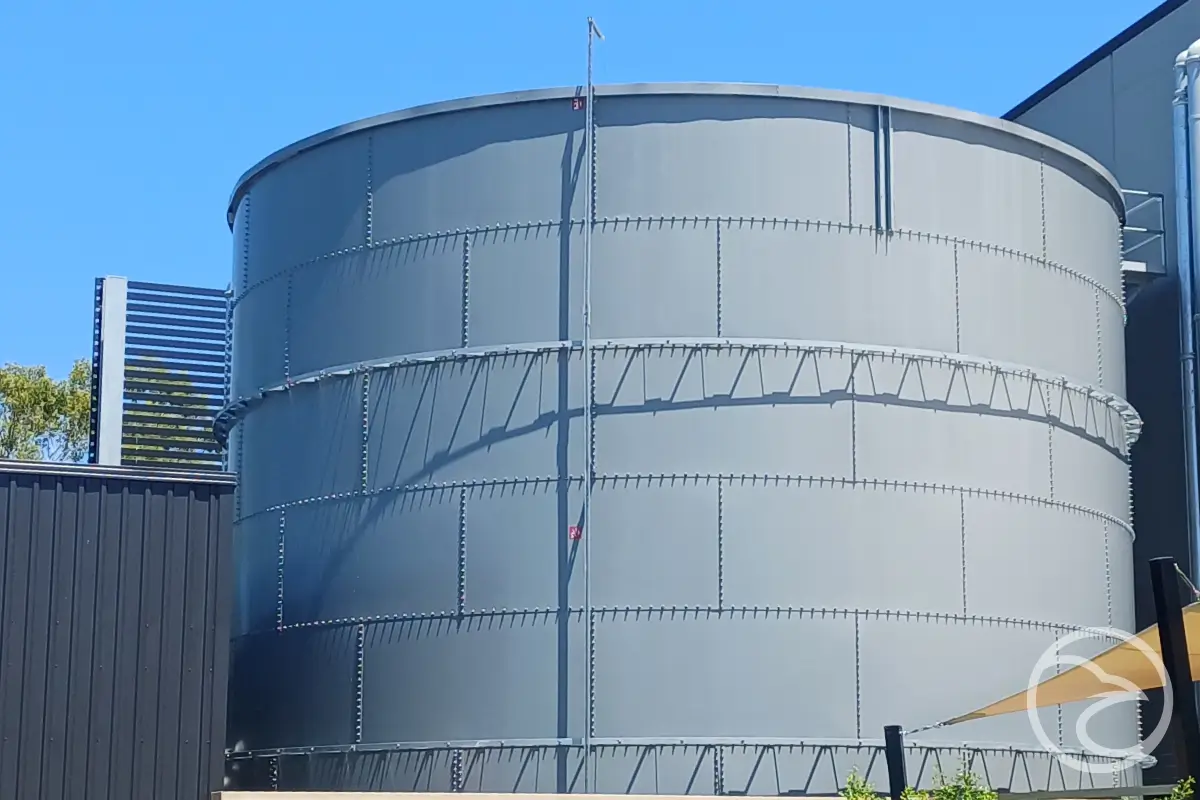
Different materials degrade at different rates. Steel tanks may require more frequent checks due to corrosion risk.
Concrete tanks may last longer but still require monitoring.
Environmental Conditions
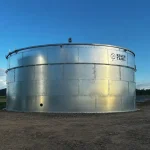
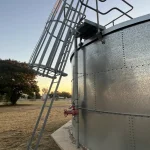
Outdoor tanks are exposed to weather and temperature changes. These conditions can accelerate wear and material degradation.
Harsh environments require more frequent inspections.
Water Quality
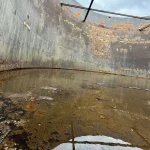
Water quality affects internal tank condition. Contaminants and minerals can increase internal damage over time.
Regular checks help detect these issues early.
Usage and Load
Tanks used continuously experience more stress. Higher usage increases the risk of wear and structural fatigue.
These systems require more consistent inspection routines.
What Happens if Inspections Are Skipped
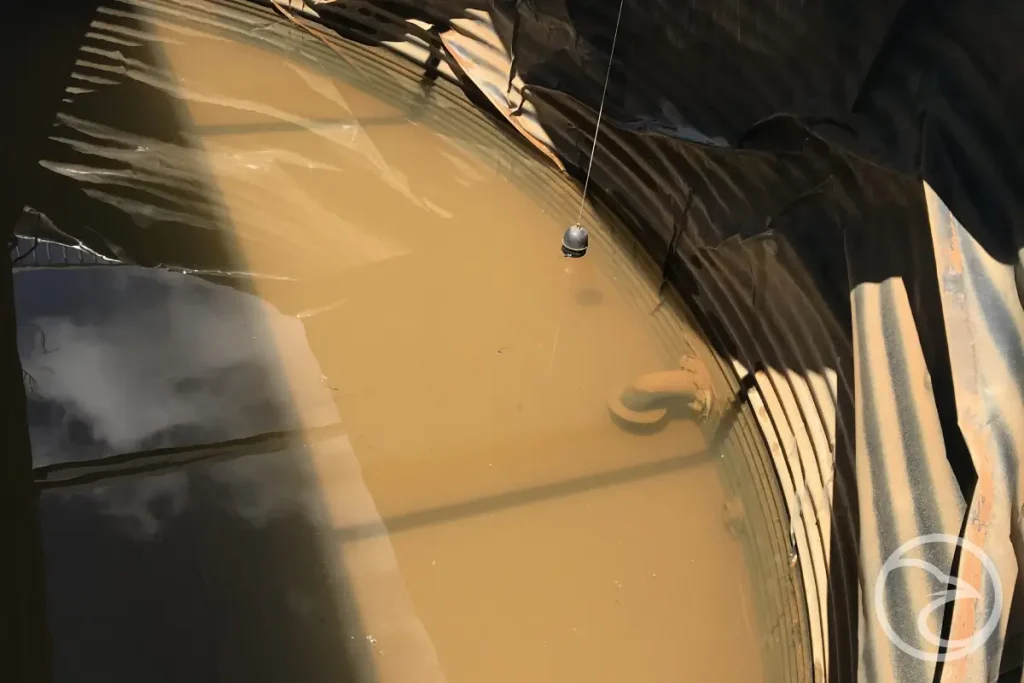
Skipping inspections increases the risk of hidden damage. Small issues can develop into serious structural problems. Over time, this may lead to water tank failure causes.
It can also reduce the expected lifespan of the tank.
How Inspections Support Long-Term Performance
Regular tank inspection services help track changes in tank condition. They provide useful data for maintenance planning.
Inspections also help extend durability and system reliability. They reduce the risk of unexpected failures.
Conclusion
Water tank inspection frequency depends on several key factors. Material, environment, and usage all influence inspection needs.
Skipping inspections increases long-term risks and system instability. Regular checks support safe operation and consistent performance.