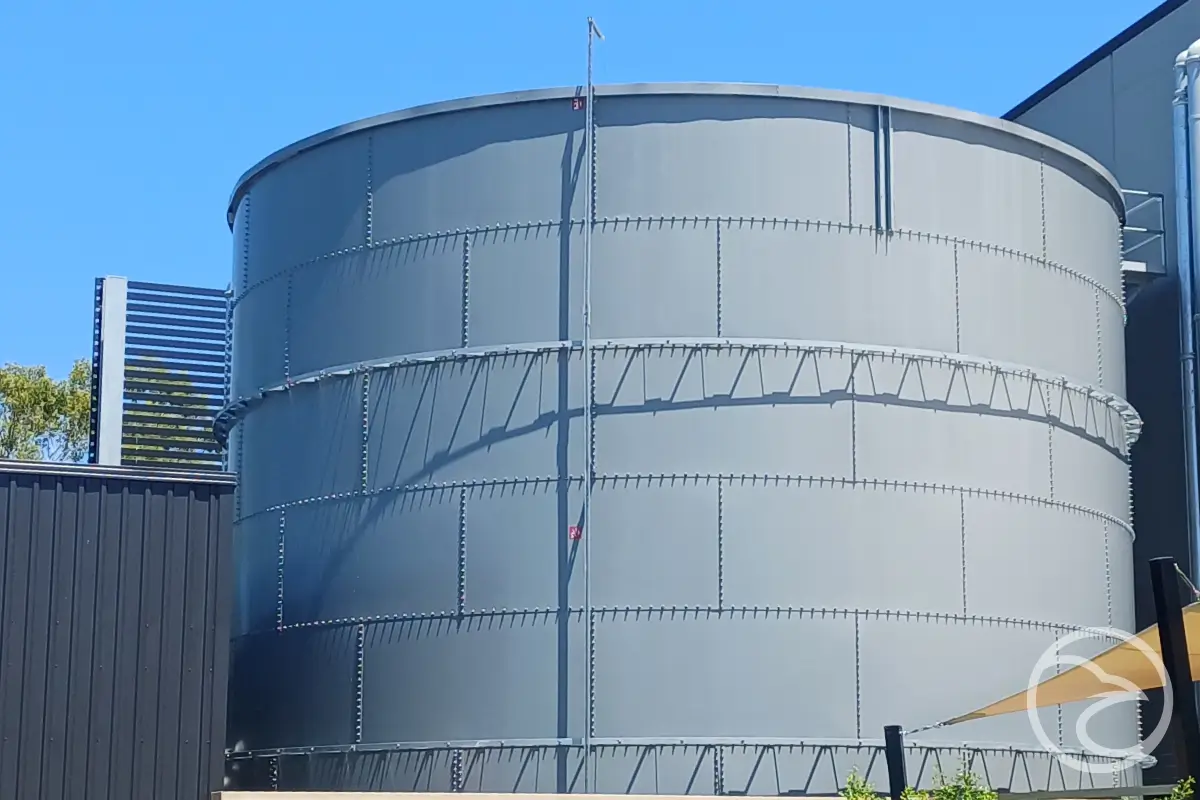
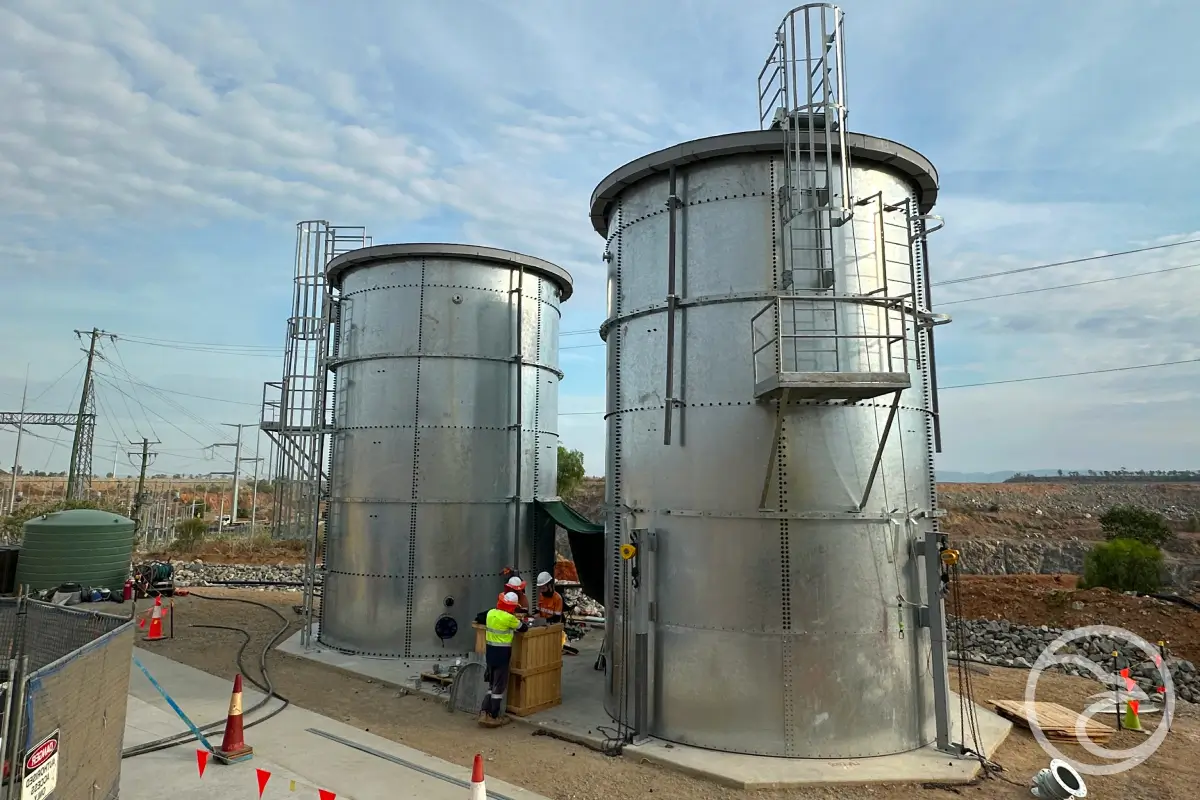
Fire safety planning depends on multiple interconnected elements, including detection systems, suppression technologies, emergency response coordination, and reliable access to water. Dedicated water storage plays a crucial role in ensuring consistent fire protection capability, particularly in locations where immediate access to municipal water supplies may be limited or inconsistent. Understanding the role of dedicated water storage in fire safety helps explain why it remains a key component of modern infrastructure design.
Ensuring Immediate Water Availability
One of the primary functions of dedicated storage is providing instant water access during emergencies. Fire events often escalate quickly, and any delay in water availability can significantly impact response effectiveness.
Separate storage reserves help ensure that adequate water volumes are accessible when needed. This is especially important in industrial facilities, remote sites, large commercial developments, and infrastructure projects where external supply reliability may vary.
Supporting System Reliability
Fire protection systems depend on consistent pressure and sufficient water volume to function effectively. Dedicated reserves help stabilize supply conditions, supporting sprinkler systems, hydrants, and suppression equipment during critical situations.
Reliable water access also supports redundancy. Even when municipal supplies are available, supplementary storage can provide backup capacity in case of infrastructure disruptions or peak demand events.
Infrastructure Planning Considerations
Designing fire safety infrastructure requires careful evaluation of potential risks, building occupancy, regulatory requirements, and environmental conditions. Water storage capacity is typically calculated based on hazard levels, response time considerations, and operational continuity needs.
Planners often assess:
- Potential fire load and building usage
- Distance from public water infrastructure
- Required response duration
- Environmental and operational factors
These considerations help determine the appropriate scale and configuration of dedicated water storage.
Regulatory and Safety Frameworks
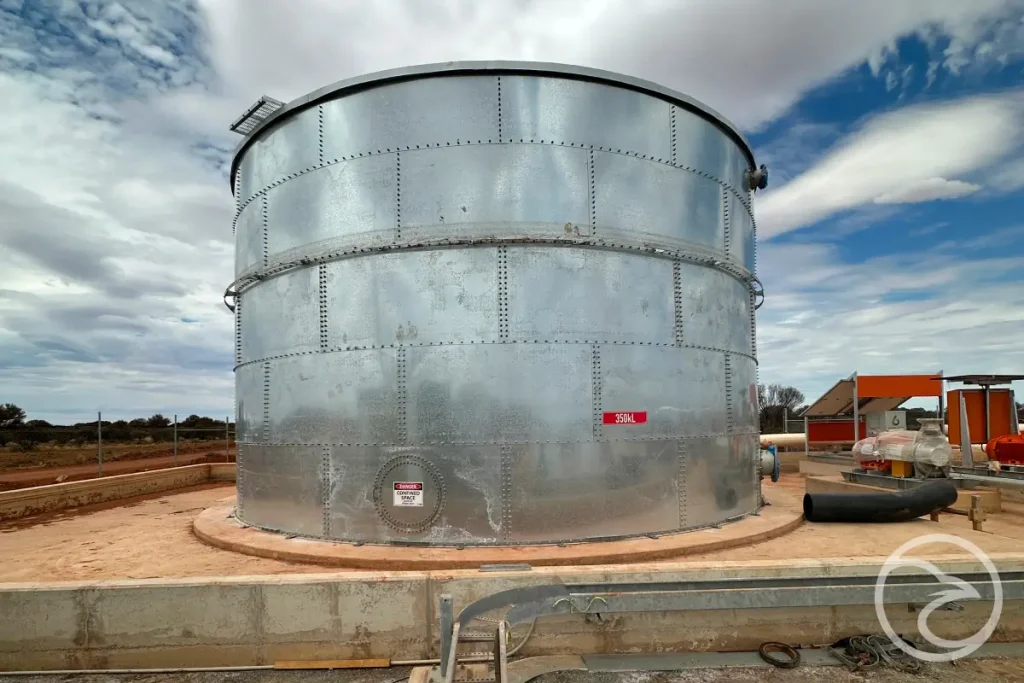
Many jurisdictions include specific guidance on fire protection water availability. Standards often address minimum capacity requirements, inspection practices, system integration, and maintenance expectations.
Compliance with these frameworks helps ensure preparedness and supports consistent fire safety performance across industrial, commercial, and public infrastructure environments.
Operational Continuity and Risk Management
Beyond emergency response, reliable fire protection infrastructure supports broader operational stability. Facilities that maintain consistent fire readiness often experience reduced risk of operational interruption, property damage, or safety incidents.
Dedicated storage contributes to risk mitigation by providing a predictable resource during unexpected events. This reliability can be particularly valuable in sectors such as manufacturing, energy, logistics, and large-scale commercial operations.
Integration with Modern Monitoring Technologies
Advancements in monitoring systems have improved how water storage infrastructure is managed. Sensors, remote monitoring tools, and automated alerts can help track water levels, detect anomalies, and support proactive maintenance planning.
These technologies help ensure that storage reserves remain ready for use while reducing the likelihood of unnoticed performance issues.
A Broader Perspective on Fire Safety Infrastructure
Dedicated water storage represents one component within a comprehensive fire safety strategy. Effective protection combines detection systems, suppression equipment, emergency planning, and ongoing infrastructure maintenance.
Regular system reliability often depends on periodic technical assessments, which is why many facilities include routine inspection programs as part of their fire safety planning.
Understanding how water availability fits into this broader framework helps stakeholders make informed decisions about safety planning, infrastructure investment, and long-term risk management. When properly integrated, dedicated storage contributes to more resilient and dependable fire protection systems.