Fire safety infrastructure continues to evolve as technology advances, environmental priorities shift, and regulatory expectations grow. Modern approaches increasingly focus not only on emergency response but also on prevention, sustainability, and long-term system reliability.
Understanding future trends in fire safety helps organisations anticipate emerging challenges while improving preparedness and infrastructure resilience.
Smart Monitoring and Predictive Technologies
Digital monitoring tools are transforming fire safety management. Sensors, remote diagnostics, and automated alert systems now provide continuous insight into infrastructure performance. These technologies allow facility managers to detect irregularities early and take preventive action before issues escalate.
Predictive maintenance is becoming particularly important. By analysing operational data, systems can identify patterns that indicate potential failures, helping reduce unexpected disruptions and improving overall safety reliability.
Sustainability and Environmental Responsibility
Sustainability is increasingly influencing fire safety infrastructure design. Organisations are seeking solutions that reduce environmental impact while maintaining high safety standards.
Key sustainability considerations include:
- efficient resource management and water conservation
- durable materials that extend infrastructure lifespan
- energy-efficient monitoring technologies
- environmentally responsible system design
Balancing environmental goals with safety requirements is becoming a central aspect of infrastructure planning.
Infrastructure Resilience and Redundancy
Climate change, urban expansion, and industrial growth are placing new demands on fire safety systems. As infrastructure becomes more complex, resilience and redundancy are gaining importance.
Future planning often focuses on ensuring consistent performance even during extreme weather, supply disruptions, or operational stress. Redundant resources, adaptive system design, and improved infrastructure integration help support reliability under varying conditions.
Integration with Smart Infrastructure
Fire safety is increasingly integrated into broader smart infrastructure ecosystems. Buildings, industrial facilities, and urban developments are adopting interconnected safety networks that share data across multiple systems.
This integration supports faster response coordination, improved monitoring accuracy, and enhanced situational awareness during emergencies. As digital infrastructure evolves, fire safety systems are expected to become even more interconnected.
Evolving Regulatory Expectations
Fire safety standards continue to adapt to new technologies, environmental concerns, and infrastructure complexity. Regulatory frameworks are increasingly emphasising risk management, documentation, and consistent system performance.
Understanding evolving regulatory expectations helps organisations align infrastructure planning with long-term safety objectives. Staying informed about standards supports both compliance and operational readiness.
Long-Term Infrastructure Planning
Modern fire safety strategies increasingly prioritise lifecycle planning rather than short-term solutions. Infrastructure durability, maintenance planning, and adaptability are now key considerations.
Long-term planning helps organisations manage costs, improve reliability, and ensure systems remain effective as operational demands change. This approach reflects a broader shift toward proactive rather than reactive fire safety management.
A Forward-Looking Perspective on Fire Safety
Future trends in fire safety highlight the importance of innovation, sustainability, and resilience in infrastructure planning. While technologies and standards continue to evolve, the core goal remains consistent: ensuring reliable protection for people, property, and operations.
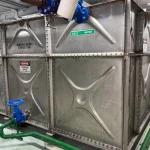
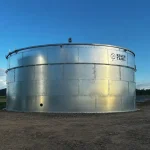
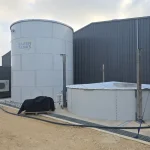
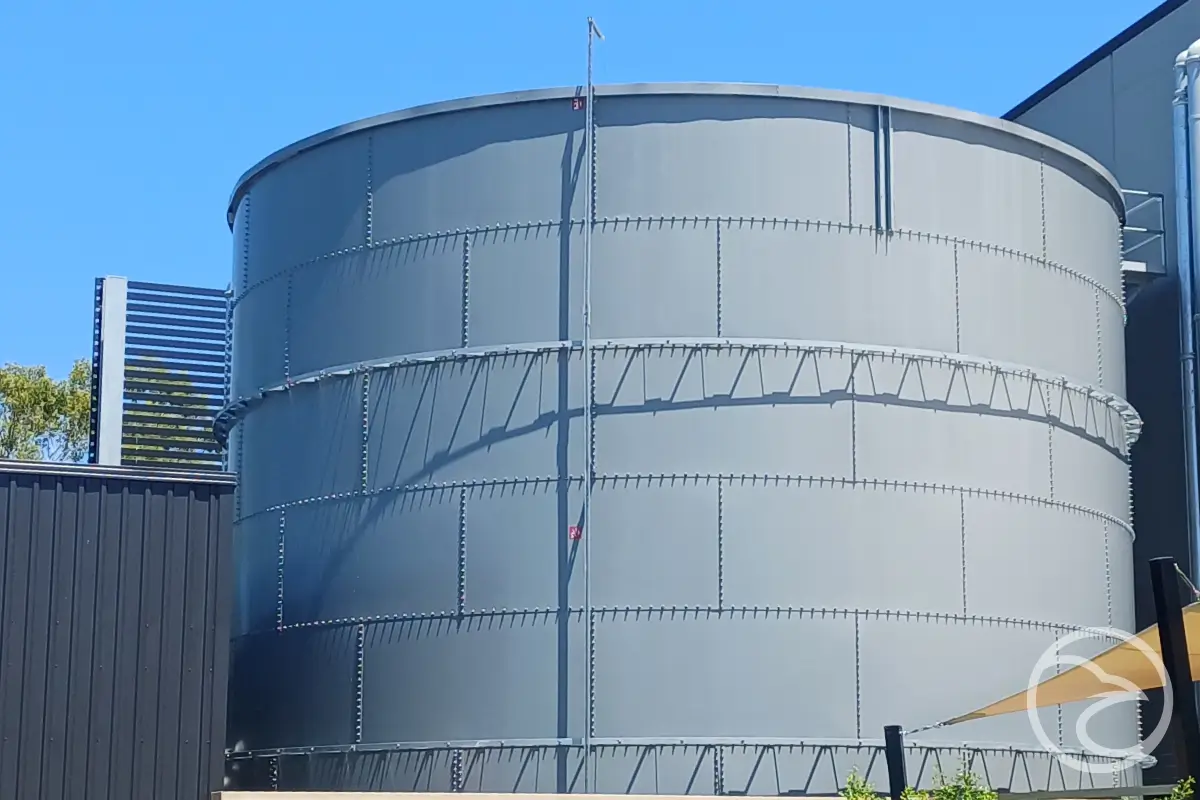
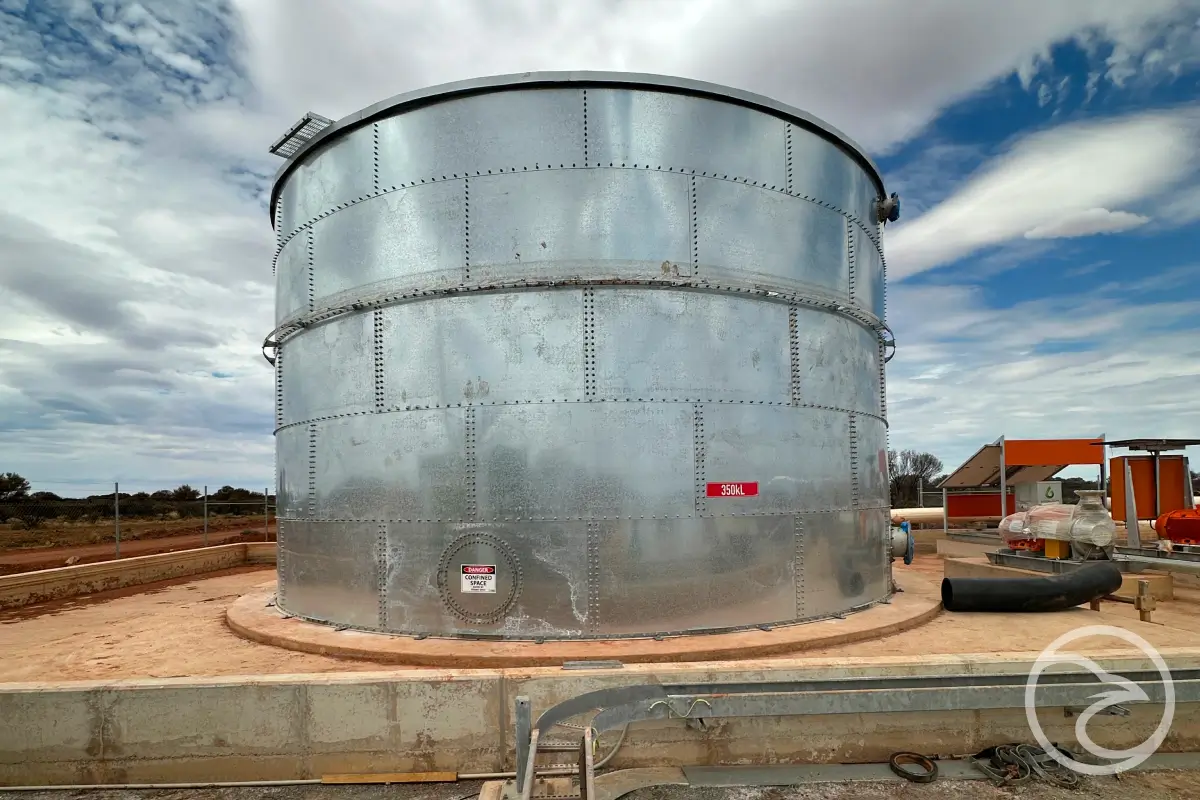
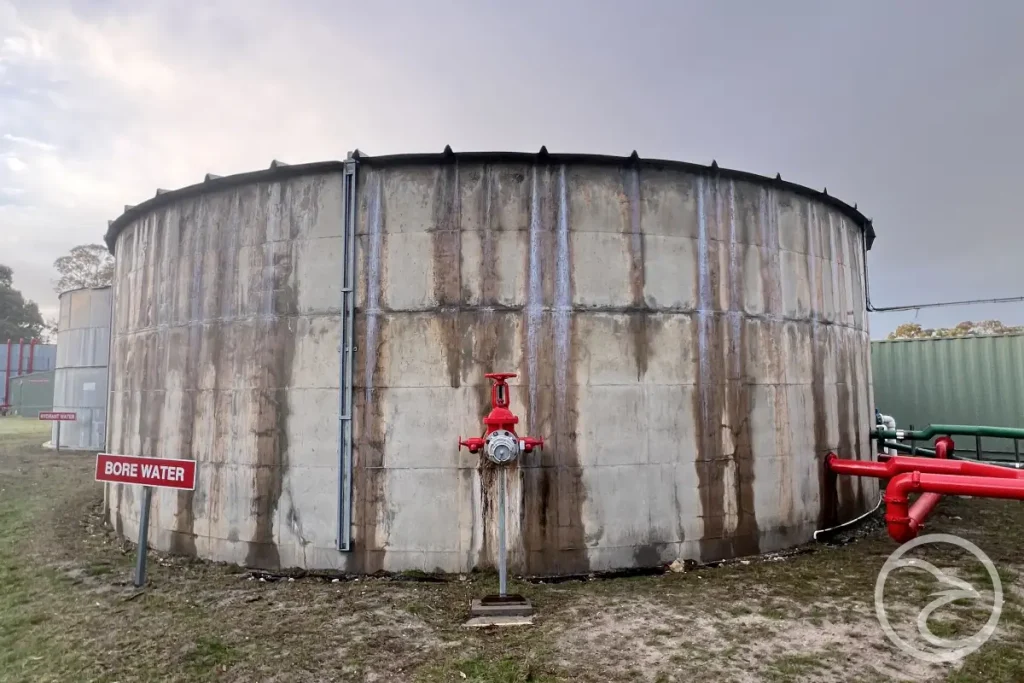
Future infrastructure planning often considers advanced fire protection storage solutions as part of broader safety resilience strategies.
By understanding emerging trends, organisations can make informed decisions that support safer environments and more dependable fire safety systems over time.