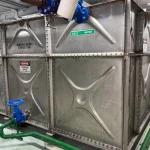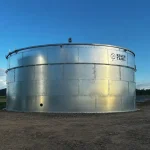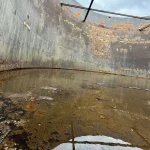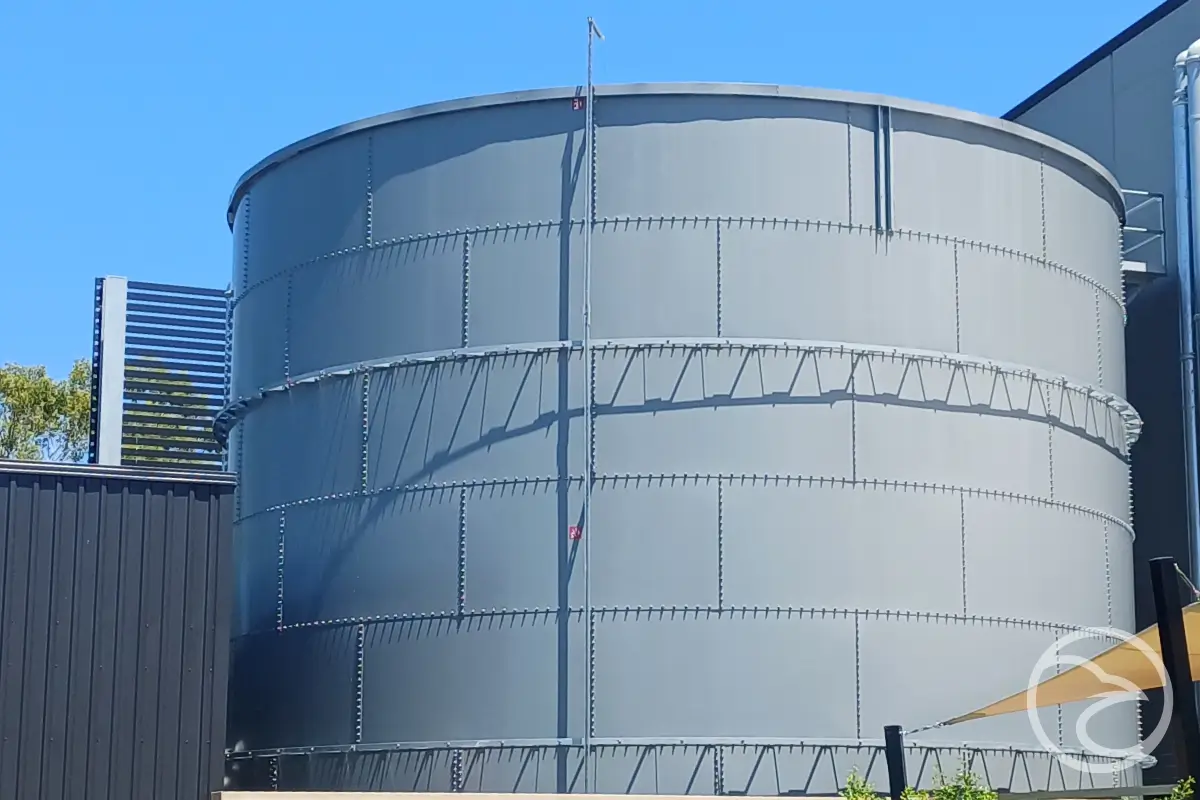

Waterproofing is essential for protecting water tanks. Without it, moisture can damage the structure over time.
Different methods are used depending on the tank type. Each solution offers specific advantages.
To understand the full system, explore tank waterproofing.
Why Choosing the Right Method Matters
Not all waterproofing solutions perform the same. The wrong method can fail under pressure or environmental stress.
Factors such as material, usage, and exposure are important. Selecting the right method ensures long-term protection.
It also reduces maintenance and repair costs.
Common Tank Waterproofing Methods
Several waterproofing systems are used in modern tanks. Each method is designed for specific conditions.
Below are the most widely used options.
1. Cementitious Waterproofing
Cement-based coatings are commonly used in concrete tanks. They bond directly to the surface.
This method is easy to apply and cost-effective. It works well in static conditions.
However, it has limited flexibility. It may crack if the structure moves.
2. Liquid Waterproofing Membranes
Liquid membranes are applied as a coating. They form a seamless protective layer.
This method provides good flexibility and coverage. It adapts to irregular surfaces.
Liquid systems are effective for both new and existing tanks. They also resist moisture penetration.
3. Sheet Membrane Systems
Sheet membranes are pre-formed materials. They are installed along the internal surface.
These systems provide strong and consistent protection. They are highly resistant to water pressure.
However, installation must be precise. Poor sealing can cause failure at joints.
4. Polyurethane Coatings
Polyurethane is a flexible waterproofing material. It forms a durable protective layer.
This method handles movement and temperature changes well. It is resistant to chemicals and wear.
It is often used in industrial environments.
5. Epoxy Coatings
Epoxy coatings create a hard, protective surface. They are commonly used where durability is required.
This method provides strong adhesion and resistance. It protects against water and chemical exposure.
However, epoxy is less flexible than other options.
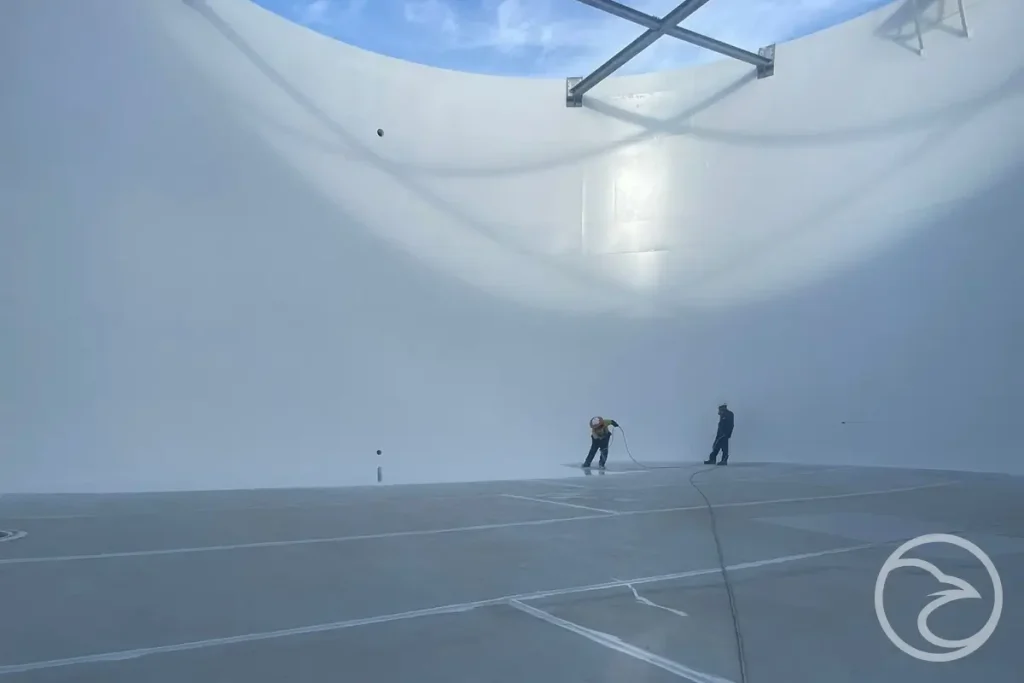
6. Tank Lining Systems
Tank liners act as an internal barrier. They completely separate water from the structure.
This method is highly effective for long-term protection. It reduces direct contact with concrete surfaces.
For a deeper understanding of early warning signs, see signs you need tank waterproofing.
Comparing Waterproofing Methods
Each method offers different advantages. Cementitious systems are simple and affordable. Liquid membranes provide flexibility and coverage.
Sheet membranes offer strong protection under pressure. Polyurethane and epoxy coatings add durability.
Tank liners provide complete separation and long-term reliability. Choosing the right method depends on the application.
How to Choose the Best Method
Selecting the right waterproofing solution requires careful evaluation.
Consider the following factors:
- Tank material
- Age and condition
- Type of liquid stored
- Environmental exposure
- Budget and maintenance needs
A professional assessment can help determine the best option.
When to Upgrade Your Waterproofing System
Older systems may lose effectiveness over time. Cracks, leaks, and surface damage indicate failure.
If these signs appear, upgrading is necessary. Modern waterproofing methods offer better performance.
Understanding the benefits of waterproofing can help guide your decision.
Long-Term Performance and Maintenance
Even the best systems require maintenance. Regular inspections help identify issues early.
Cleaning and minor repairs extend system lifespan. This ensures continued protection.
Waterproofing is most effective when properly maintained.
Conclusion
Tank waterproofing is essential for long-term durability. Different methods provide different levels of protection.
Choosing the right solution depends on your tank and environment. Each method offers unique advantages.