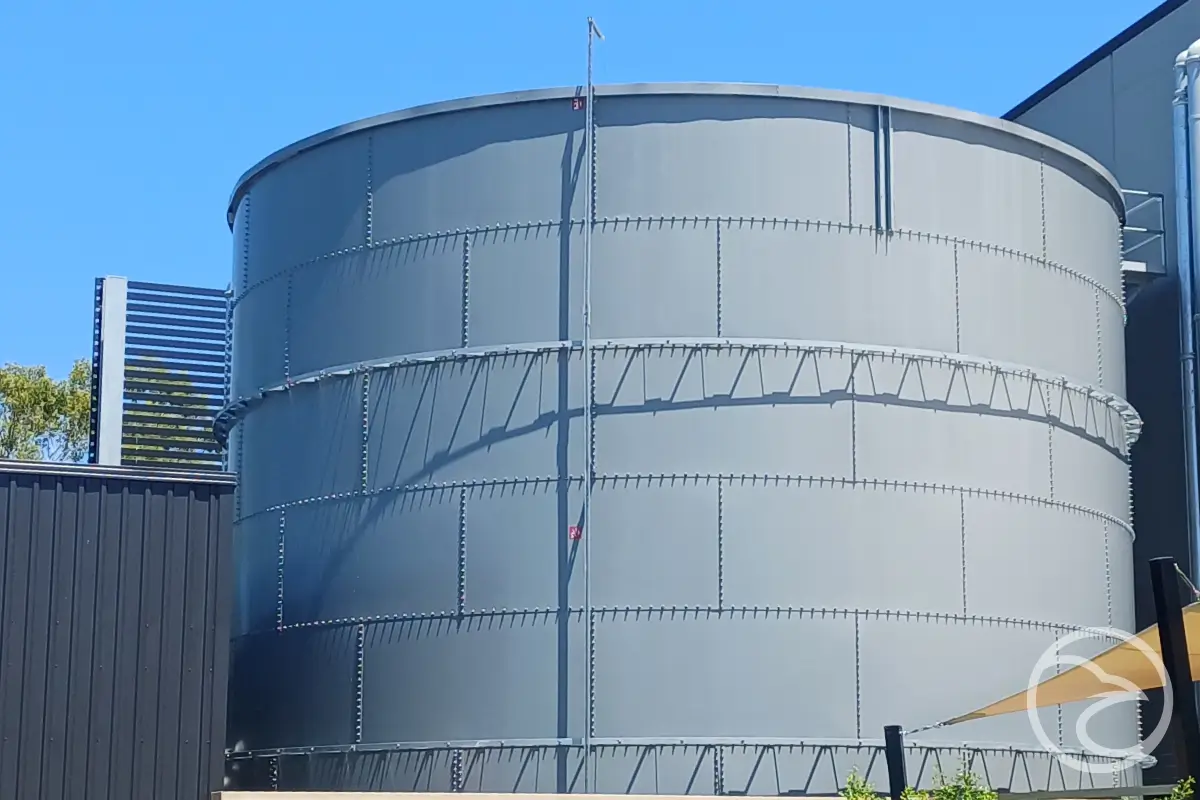
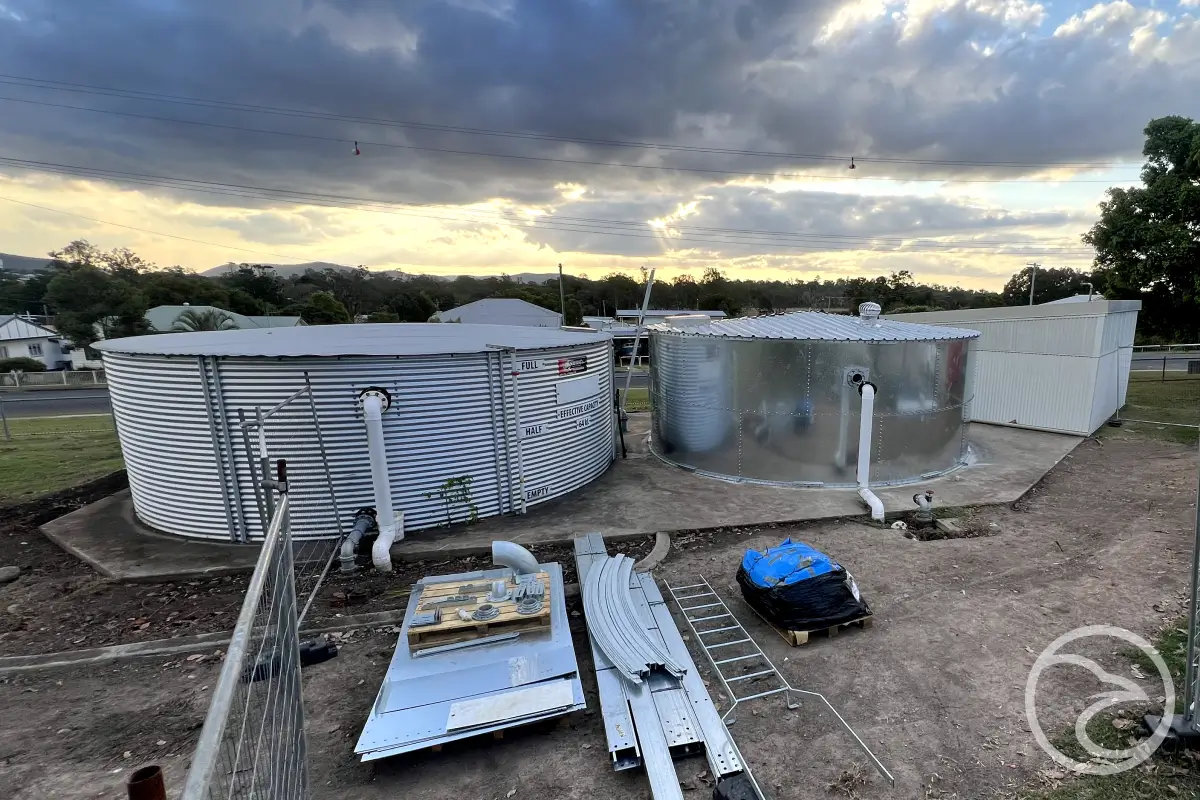
Fire protection infrastructure depends on reliable water storage to support emergency response systems. Over time, storage units can experience deterioration due to environmental exposure, operational stress, and material aging.
Understanding the causes of fire tank damage helps organisations maintain safety readiness while reducing unexpected operational risks.
Environmental Exposure and Weather Conditions
One of the most common factors affecting storage infrastructure is environmental exposure. Tanks located outdoors are subject to temperature fluctuations, UV radiation, moisture, and atmospheric pollutants.
Extreme heat can accelerate material fatigue, while cold conditions may cause expansion and contraction cycles that stress structural components. Humidity and airborne contaminants can also contribute to gradual surface degradation over time.
Corrosion and Material Aging
Material aging is another significant contributor to long-term deterioration. Exposure to moisture, minerals, and environmental chemicals can gradually affect protective surfaces and structural integrity.
Corrosion may develop slowly, often beginning with minor surface changes before progressing further. Regular monitoring helps identify early signs of deterioration before they affect operational reliability.
Operational Stress and Structural Movement
Storage systems experience ongoing stress during normal operation. Changes in water levels, pressure variations, and mechanical vibration can place continuous strain on structural components.
Over time, this stress may lead to joint fatigue, surface wear, or localized weakening. Even small structural shifts can influence long-term durability if not monitored carefully.
Sediment Accumulation and Internal Factors
Internal conditions can also contribute to deterioration. Sediment buildup, biological growth, or mineral deposits may affect internal surfaces and system performance.
While these factors typically develop gradually, they can influence both structural integrity and operational efficiency if left unaddressed.
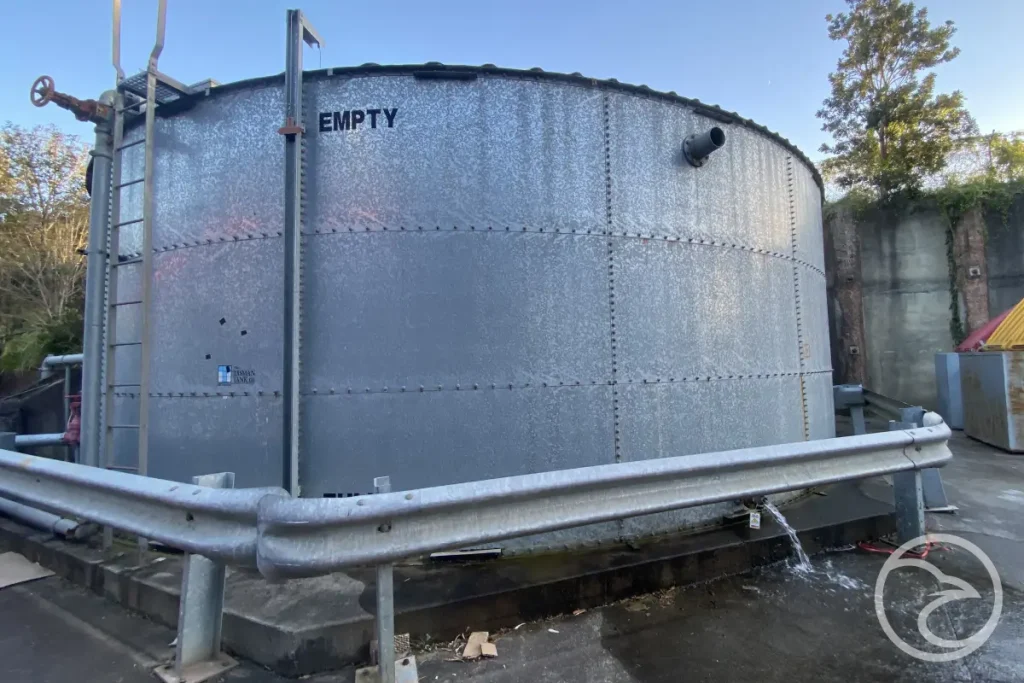
Early Indicators of Potential Damage
Infrastructure deterioration rarely occurs suddenly. Early indicators often include:
- visible surface discoloration or texture changes
- minor structural irregularities
- unexpected moisture accumulation
- operational performance variations
Recognising these signs early helps support proactive maintenance planning.
When deterioration becomes more noticeable, specialised fire storage maintenance solutions are often considered to help maintain long-term system reliability.
Long-Term Infrastructure Reliability
Understanding the causes of fire tank damage provides valuable insight for safety planning and infrastructure management. Environmental conditions, operational stress, material selection, and maintenance practices all influence long-term performance.
A proactive approach that combines monitoring, appropriate material choices, and consistent infrastructure management helps ensure reliable fire protection readiness. Maintaining awareness of potential deterioration factors supports safer operations and long-term system resilience.