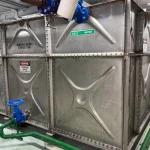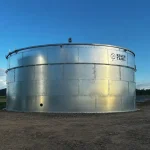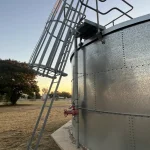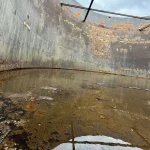

Maintaining water tanks requires regular inspection to ensure safety and structural integrity. Traditional inspection methods often involve high risks and operational challenges.
In recent years, robotic technology has changed how inspections are performed. ROVs are now widely used across industries for underwater tank assessment.
If you are not familiar with the process, start with how does rov inspection work for a detailed overview.
What Makes ROV Inspection Different?
ROV inspection uses remotely operated vehicles equipped with cameras and lighting systems. These systems allow operators to inspect tanks without entering them physically.
Unlike traditional methods, ROVs provide real-time data while reducing operational risks. This shift has made ROV inspection a preferred solution for many facilities.
Key Benefits of ROV Inspection
ROV technology offers several advantages over conventional inspection methods.
1. Improved Safety
Safety is the most important benefit of ROV inspection. Since no human entry is required, risks are significantly reduced. This includes exposure to hazardous environments and confined spaces.
Key safety advantages include:
- no risk of drowning or oxygen deficiency
- reduced exposure to contaminants
- elimination of confined space entry hazards
Compared to traditional methods, the difference is substantial. For a direct comparison, see rov vs diver inspection.
2. Cost Efficiency
ROV inspections can reduce overall operational costs. They require fewer personnel and less preparation time. There is no need for complex safety setups or standby rescue teams.
Cost-saving factors include:
- reduced labor requirements
- shorter inspection time
- minimal equipment setup
- no tank draining in most cases
Over time, these savings can be significant.
3. High-Quality Data Collection
ROVs provide consistent and detailed inspection data. They are equipped with high-resolution cameras that capture clear visuals. This allows for accurate assessment and documentation.
Benefits of data quality include:
- repeatable inspection results
- recorded footage for analysis
- improved reporting accuracy
This level of detail is difficult to achieve with manual inspections alone.
4. Minimal Operational Disruption
One of the major advantages of ROV inspection is reduced downtime. In many cases, tanks can remain operational during inspection. This eliminates the need for shutdown and cleaning.
Operational benefits include:
- uninterrupted service
- faster inspection turnaround
- reduced impact on production or supply
This is especially important for facilities that rely on continuous operation.
5. Access to Difficult Areas
ROVs are designed to navigate complex environments. They can reach areas that are difficult or unsafe for divers. This includes confined spaces and low-visibility conditions.
Typical scenarios where ROVs perform better:
- tanks with heavy sediment buildup
- structures with limited access points
- environments with poor visibility
To understand when this becomes critical, read when to use rov inspection.

Addressing Common Inspection Challenges
Underwater tank inspections often involve difficult conditions.
Some of the most common challenges include:
- low visibility
- internal corrosion
- biological growth
- restricted movement
ROVs are built to handle these issues effectively. They use lighting systems and stable controls to maintain inspection quality.
Why Industries are Shifting to ROV Inspection
Many industries are moving toward robotic inspection solutions. This shift is driven by the need for safer and more efficient operations. ROVs provide a reliable alternative to traditional inspection methods.
Key reasons for adoption include:
- improved safety standards
- better data accuracy
- reduced long-term costs
- compliance with modern regulations
Final Thoughts
ROV inspection offers clear advantages for underwater tank assessment. It improves safety, reduces costs, and provides high-quality inspection data. It also minimizes disruption and increases operational efficiency.
As technology continues to advance, the use of ROVs will only grow. They are quickly becoming the standard approach for modern inspection needs.