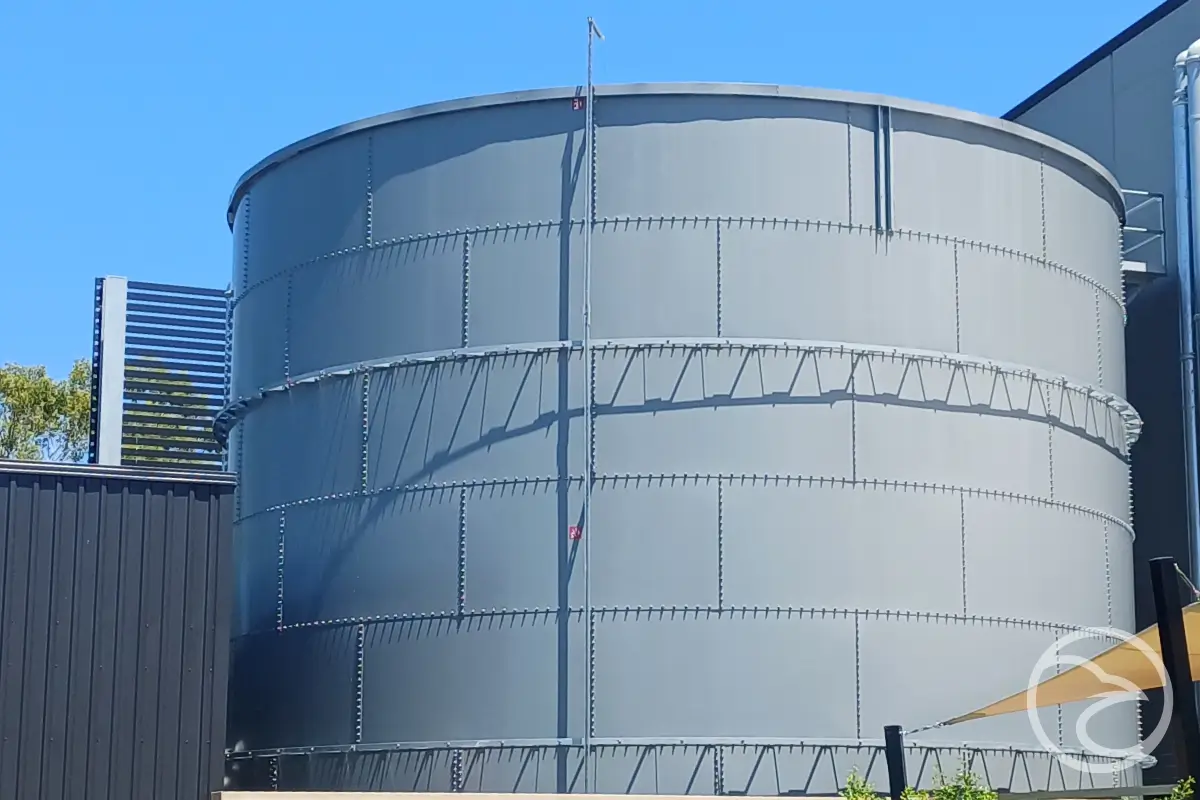

Safe drinking water depends not only on the source but also on how it is stored. Even well-designed water tanks can expose potable water to contamination over time. Internal tank liners play a critical role in protecting water quality by creating a safe, controlled barrier between stored water and the tank structure itself.
Understanding potable water tank liner safety helps property owners, facility managers, and operators maintain clean, reliable drinking water storage systems.
How Potable Water Tank Liners Prevent Water Contamination
Potable water tanks are constantly exposed to environmental and structural factors that can compromise water quality. Over time, untreated internal tank surfaces may release particles, corrosion residue, or sediments into stored water.
Water tank liners reduce contamination risks by:
- preventing direct contact between water and tank surfaces
- limiting exposure to rust, scale, and debris
- reducing conditions that support bacterial growth
By isolating drinking water from potentially reactive materials, liners help preserve water clarity, taste, and safety.
Barrier Protection Between Stored Water and Tank Surfaces
One of the most important safety functions of a potable water tank liner is barrier protection. Tanks made from concrete, steel, or other structural materials can degrade internally due to moisture, chemicals, or natural aging.
A properly installed liner creates a continuous internal membrane that:
- blocks contaminants from entering the water
- prevents material leaching from tank walls
- stabilises water quality over long storage periods
This barrier approach is essential in potable water systems where even minor contamination can impact health and compliance.
Food-Grade Materials and Drinking Water Safety
Potable water tank liners are manufactured using food-grade materials designed specifically for drinking water storage. These materials are selected to ensure they do not:
- alter water taste or odour
- release harmful substances
- react with stored water over time
Food-grade liners support potable water storage safety by maintaining chemical stability and preventing unwanted interactions between water and tank surfaces.
Why Liner Integrity is Critical for Potable Water Storage
Potable water safety depends on the condition of the liner itself. Small defects, surface damage, or material degradation can compromise the protective barrier and allow contaminants to enter the system.
Maintaining liner integrity is essential because:
- damaged liners can expose water to sediments or corrosion
- compromised surfaces increase contamination risks
- water quality issues may develop gradually and go unnoticed
Regular monitoring of liner condition helps ensure continued protection of drinking water quality.
Protecting Drinking Water in Long-Term Storage Systems
Water stored for extended periods requires additional safeguards. Stagnation, temperature changes, and environmental exposure can increase the risk of contamination if internal protection is inadequate.
Potable water tank liners help support long-term storage safety by:
- reducing surface interaction inside the tank
- limiting microbial growth conditions
- maintaining consistent water quality over time
This makes liners especially important for facilities that rely on stored drinking water as a primary or backup supply.

When Water Quality Concerns Require Professional Assessment
Changes in water clarity, taste, or odour may indicate internal tank issues that affect potable water safety. While liners provide strong protection, professional assessment may be necessary if water quality concerns arise.
Early evaluation helps:
- identify potential liner integrity issues
- prevent contamination escalation
- maintain compliance with potable water expectations
Addressing concerns early supports safe drinking water storage and long-term system reliability.
When water quality concerns arise, understanding available water tank liner solutions for potable water can help ensure long-term drinking water safety and proper system protection.
Final Thoughts on Potable Water Tank Liner Safety
Potable water tank liner safety is a critical component of clean drinking water storage. By acting as a protective barrier, supporting food-grade standards, and reducing contamination risks, liners help safeguard water quality where it matters most.
Understanding how liners contribute to potable water safety allows operators to make informed decisions that protect both infrastructure and public health.