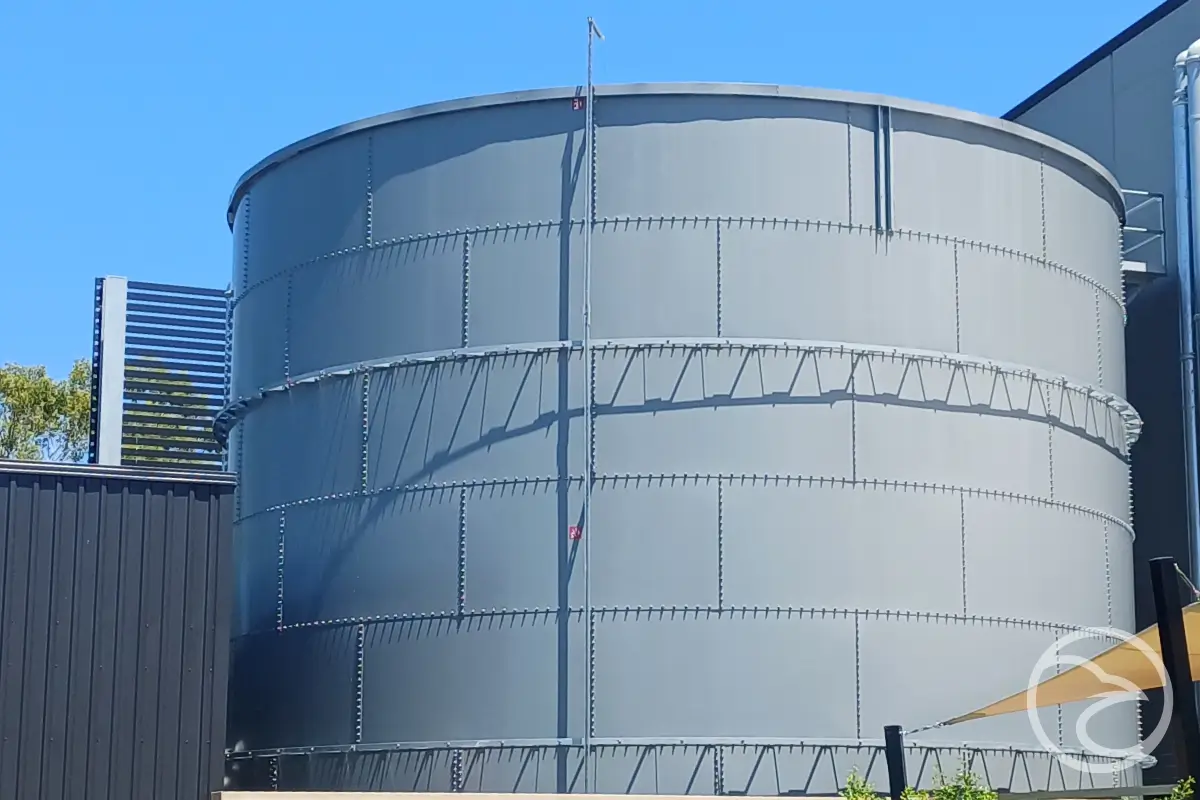
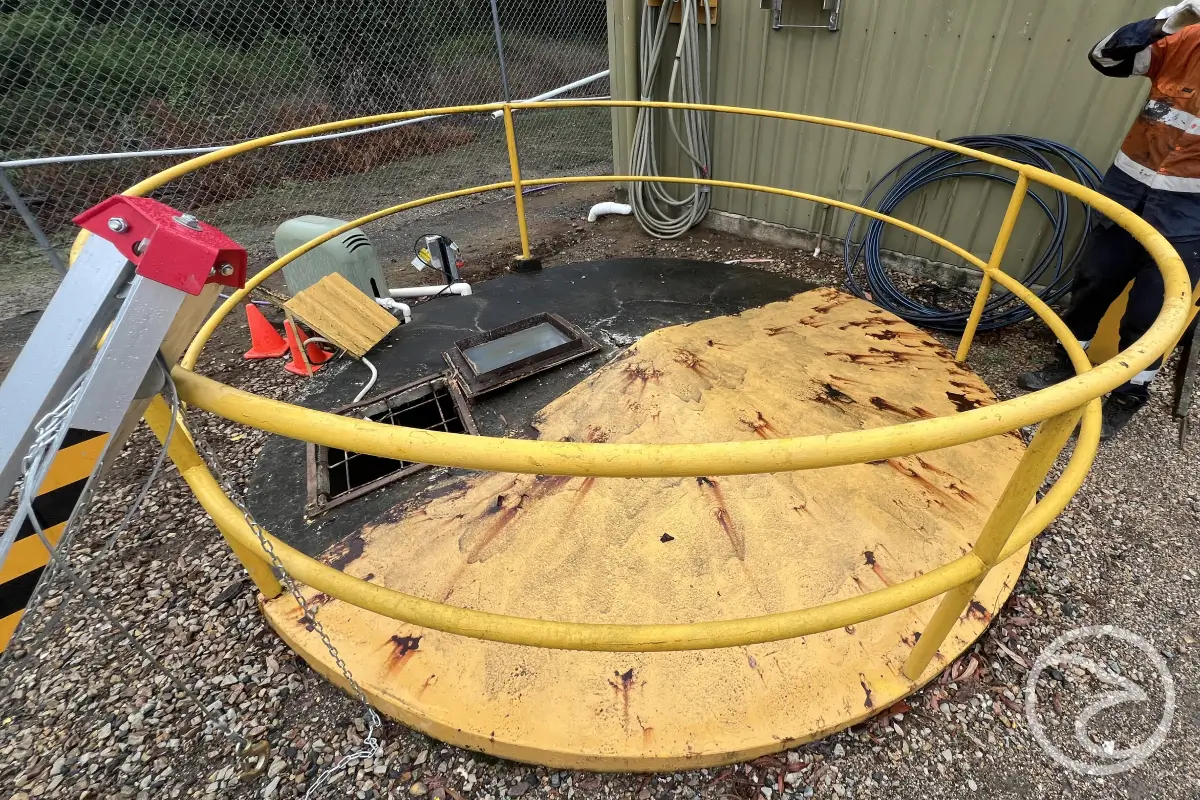
Understanding what is a confined space is essential for recognising why these environments require heightened safety controls and highly trained personnel. Confined spaces appear in a wide range of industries—water storage, wastewater management, construction, manufacturing, mining, agriculture, and energy infrastructure.
Although these areas vary in size, function, and design, they all pose unique risks that demand careful planning and specialised safety procedures.
What Defines a Confined Space?
Understanding what is a confined space is essential for recognising why these environments require heightened safety controls and highly trained personnel. Confined spaces appear in a wide range of industries—water storage, wastewater management, construction, manufacturing, mining, agriculture, and energy infrastructure. Although these areas vary in size, function, and design, they all pose unique risks that demand careful planning and specialised safety procedures.
What Defines a Confined Space?
A confined space is typically described as an area that is fully or partially enclosed, has limited entry or exit points, and is not designed for regular or continuous employee occupancy. In many cases, workers can only enter these spaces to perform inspections, repairs, cleaning, maintenance, or emergency work. Because they lack natural ventilation and often contain equipment or residues, confined spaces can become hazardous without warning.
Common examples include:
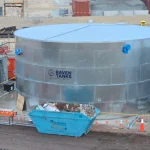
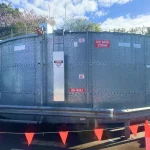
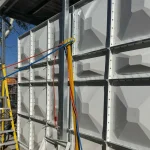
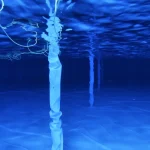
- water tanks and reservoirs
- pipelines and culverts
- storage silos and hoppers
- access pits and sumps
- pump stations and valve chambers
- utility vaults
- underground shafts
- manholes and crawlspaces
Even when these structures appear empty or harmless, they may contain unseen hazards due to chemical residues, lack of oxygen, or environmental contamination.
Key Characteristics of Confined Spaces
While confined spaces vary by industry, most share several defining traits that elevate safety concerns.
1. Limited Access and Exit Points
Entrances may be too narrow for quick escape, elevated above ground level, or located below grade. These constraints make rescue operations significantly more challenging, particularly if a worker becomes incapacitated.
2. Poor Natural Ventilation
Restricted airflow promotes the buildup of hazardous atmospheres. Oxygen levels may fall below safe limits, while flammable, toxic, or asphyxiating gases can accumulate without being detected through sight or smell.
3. Potential for Rapidly Changing Conditions
Conditions inside a confined space can shift in seconds. A stable atmosphere can become dangerous due to chemical reactions, water ingress, temperature changes, microbial activity, or equipment malfunction.
4. Not Designed for Human Occupancy
Confined spaces are built to store materials, support infrastructure, or facilitate mechanical processes—not to host workers for extended periods. As a result, structural features may present additional risks.
Why Confined Spaces Require Special Safety Measures
The unique nature of confined spaces makes standard workplace safety protocols insufficient. Special precautions, specialised equipment, and trained personnel are essential to prevent accidents and protect worker safety.
Atmospheric Hazards
One of the most critical dangers is an unsafe atmosphere. This may involve:
- oxygen-deficient environments
- presence of flammable gases or vapours
- toxic contaminants such as hydrogen sulphide, methane, chlorine, or VOCs
Atmospheric testing is mandatory before entry and often must continue throughout the operation.
Engulfment Risks
Workers may become engulfed by liquids, sludge, grains, or loose materials. Even a partial collapse of material can immobilise a worker or obstruct breathing.
Entrapment and Structural Hazards
Confined spaces can contain internal obstructions, moving equipment, or mechanical components. Inadequate lockout-tagout procedures may lead to unexpected activation of machinery.
Restricted Escape Routes
Limited entry points create delays in evacuation or emergency rescue. This is especially dangerous in situations involving toxic atmospheres or sudden flooding.
Industries where Confined Spaces are Common
The presence of confined spaces is widespread across multiple sectors:
- Water and wastewater facilities: tanks, clarifiers, pumps, aeration basins
- Mining and tunnelling: shafts, ventilation ducts, access chambers
- Manufacturing: processing tanks, mixing vessels, boilers
- Agriculture: grain silos, fertilizer pits, storage hoppers
- Energy and utilities: valve vaults, substations, underground chambers
- Construction: pits, culverts, crawlspaces, retaining structures
Each environment requires tailored safety procedures and hazard identification.

Understanding Safety Measures for Confined Space Work
A comprehensive confined space safety program typically includes:
Pre-Entry Hazard Assessment
Before entering, trained personnel assess structural risks, atmospheric hazards, access points, and potential environmental factors.
Atmospheric Monitoring
Specialised instruments measure oxygen levels, explosive gas concentration, and toxic substances. Monitoring often continues during work.
Ventilation Systems
Blowers or extraction fans help maintain safe atmospheric conditions by increasing airflow.
Communication Systems
Workers inside the space must have constant communication with attendants or standby personnel.
PPE and Safety Equipment
Depending on conditions, this may include respirators, harnesses, protective suits, helmets, and gas-detection devices.
Trained Standby Personnel
A trained observer remains outside the confined space to monitor conditions, provide support, and initiate emergency procedures if required.
Rescue and Retrieval Planning
No confined space entry is permitted without a predetermined rescue strategy. In many industries, external rescue teams or standby rescue technicians must be present.
Key points regarding confined space procedures appear in further guidelines.
Why Understanding Confined Spaces Matters
Recognising what is a confined space is the foundation of safe operations. Many incidents result from workers underestimating the dangers or assuming that small or familiar spaces are safe. A confined space may seem harmless but can conceal atmospheric instability, physical hazards, or unpredictable environmental factors.
A well-designed confined space safety program reduces risks, protects workers, and ensures compliance across all industries where enclosed spaces are part of daily operations.