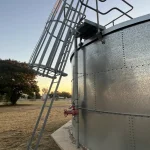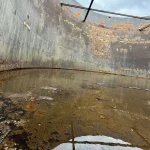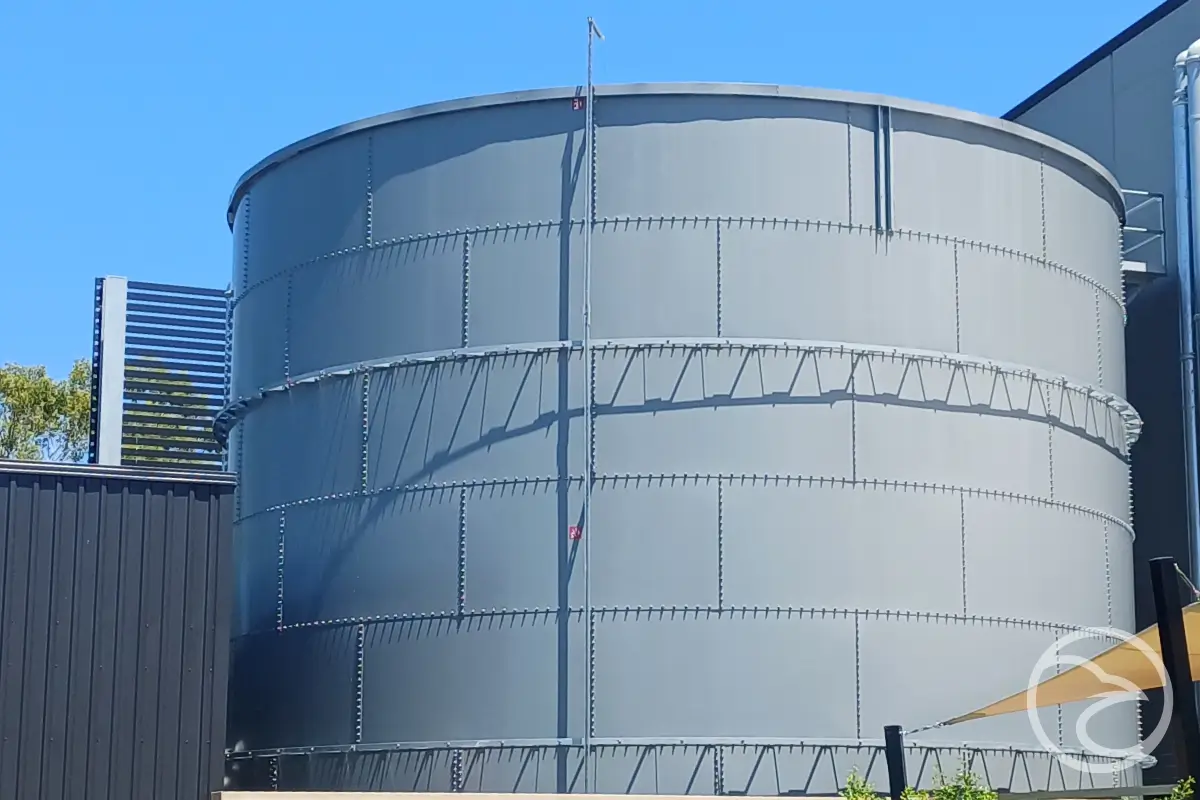

Designing an effective industrial water storage system requires careful planning and a solid understanding of the facility’s operational needs. A well-designed system ensures reliable water supply, protects water quality, improves safety, and supports long-term efficiency. Whether the system includes steel tanks, concrete tanks, GRP tanks, or modular panel tanks, the principles of successful industrial water tank design remain consistent across most industries.
This guide explains the essential factors to consider when planning and designing an industrial water storage system to ensure durability, functionality, and compliance.
Understanding Industrial Water Tank Design
Industrial water tank design involves determining the appropriate size, structure, materials, and engineering requirements for a tank based on its purpose. A quality design considers the entire lifecycle of the system — including installation, daily operations, safety expectations, and future maintenance needs.
It’s not just about choosing a tank type. Effective design ensures the system performs reliably under environmental loads, pressure variations, and long-term usage demands.
Water Demand and Usage Requirements
The first step in designing an industrial water storage system is understanding how the water will be used.
This requires identifying:
- daily water consumption
- peak demand periods
- required backup or emergency storage
- future water usage growth
Facilities often rely on stored water for processing, manufacturing, cooling, cleaning, or fire protection. Each of these applications influences tank capacity, flow rates, and system placement.
Site Conditions and Environmental Factors
The installation site plays a major role in the design process. Important considerations include:
- Soil conditions and load-bearing strength — crucial for large steel or concrete tanks
- Accessibility — important for delivering modular or panel tank systems
- Climate and environmental exposure — heat, humidity, and corrosive surroundings impact material selection
- Wind loads and seismic requirements — essential for engineering and structural stability
A thorough site evaluation helps avoid structural risks and ensures the storage system performs well for decades.
Tank Capacity and Future Scalability
Determining the correct tank capacity is one of the most important elements of industrial water tank design. Too small, and the system cannot support demand; too large, and costs increase unnecessarily.
Effective capacity planning includes:
- current water needs
- expected facility expansion
- regulatory or safety requirements
- emergency reserve capacity
Industrial facilities often design systems with built-in scalability to accommodate future growth.

Material Selection and Industrial Tank Types
Choosing the right material is critical for performance and longevity. Common industrial tank types include:
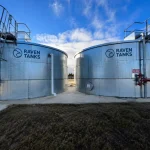
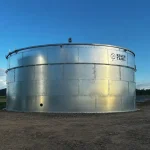
Steel Industrial Water Tanks
Known for strength and high durability. Often used for large-volume storage but require corrosion-resistant coatings.
Concrete Water Tanks
Long-lasting and stable, suitable for large capacities and underground or above-ground installation.
GRP (Glass Reinforced Plastic) Tanks
Lightweight, corrosion-resistant, low-maintenance, suitable for potable or process water.
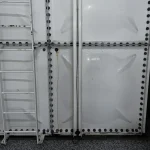
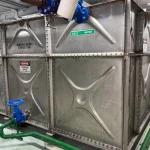
Modular Panel Tanks (HDG, Stainless Steel, FRP)
Flexible, easy to transport, ideal for rooftop installations, industrial sites, and remote areas.
The choice depends on water type, environmental exposure, budget, and expected service life.
Water Quality and Compatibility
The quality of the stored water influences the materials and design of the tank. Important considerations include:
- pH levels
- mineral content
- temperature
- corrosiveness
- potential contaminants
Potable water requires materials that comply with drinking water safety standards, whereas process water may allow for alternative solutions depending on industrial requirements.
Safety, Compliance and Engineering Standards
Industrial water tanks must meet engineering and compliance requirements.
This includes:
- Australian standards for steel, concrete, and panel tank construction
- structural load and pressure calculations
- seismic and wind load design criteria
- safe access for inspections and maintenance
- secure integration with pumps, valves, and pipelines
Engineering requirements and structural specifications are outlined in our dedicated section.
Conclusion
Designing an industrial water storage system requires evaluating operational needs, site conditions, safety standards, tank materials, and long-term performance expectations. Regardless of whether the tank is steel, concrete, GRP, or a modular panel system, a well-planned design ensures reliability, safety, and efficiency for the entire facility.