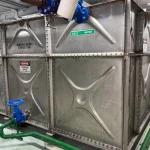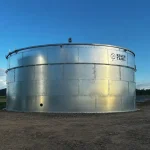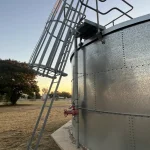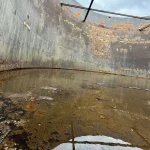
GRP panel tanks are among the most reliable and versatile water storage solutions available today. Their modular design, corrosion resistance and long service life make them suitable for commercial, industrial and infrastructure projects.
Unlike traditional concrete or steel tanks, GRP panel tanks are manufactured from Glass Reinforced Plastic (GRP) panels and assembled on site. This modular construction provides greater flexibility for projects with limited access or unique space requirements.
Modern GRP water tanks are widely used for potable water, fire protection, industrial processes and rainwater harvesting. They can be customised to meet different storage capacities, environmental conditions and operational requirements.
Choosing the right water storage system involves more than selecting the correct tank size. Material performance, installation requirements, maintenance needs and long-term operating costs all influence the overall value of a project.
This guide explains everything you need to know about GRP panel tanks. You’ll learn how they work, their key benefits, common applications, design considerations and the factors that affect project costs. You’ll also discover how they compare with steel and concrete tanks and why they have become a preferred solution across Australia.
What are GRP Panel Tanks?
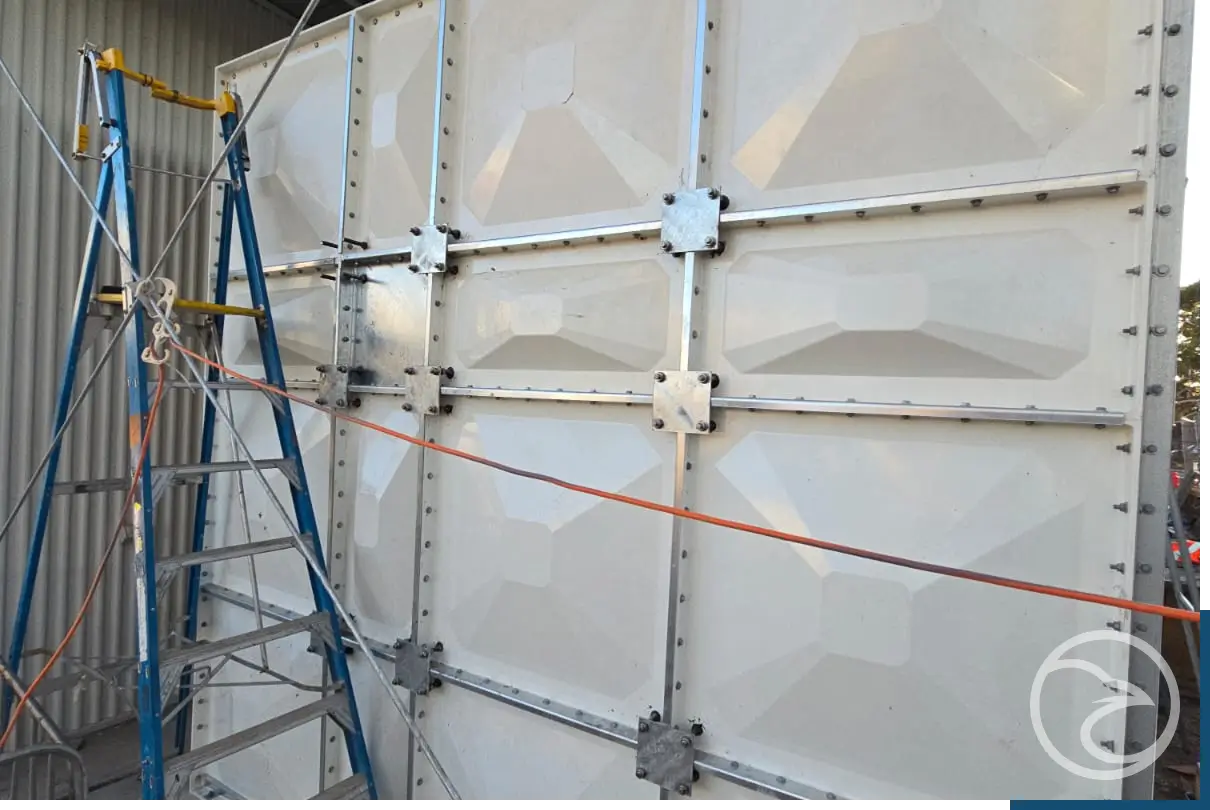
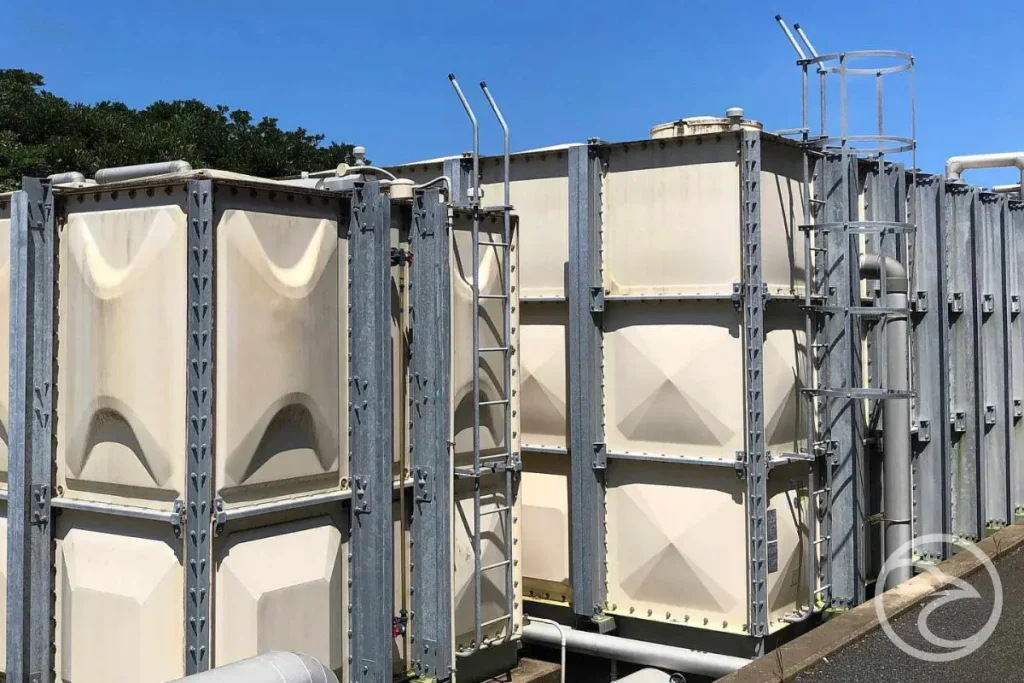
GRP panel tanks are modular water storage tanks manufactured from Glass Reinforced Plastic (GRP) panels. Individual panels are bolted together on site to create a storage system that matches the required capacity and site conditions.
Glass Reinforced Plastic combines durable resin with reinforcing glass fibres. This combination creates a lightweight material that offers excellent strength, corrosion resistance and long-term performance.
Unlike welded steel or cast concrete tanks, GRP panel tanks are supplied as individual components. This allows easier transportation and installation, especially where site access is restricted or crane access is limited.
The modular design also makes future expansion possible. Additional panels can often be added when storage requirements increase, reducing the need for a complete replacement.
GRP panel tanks are commonly specified for:
- Potable water storage
- Fire water storage
- Industrial process water
- Commercial buildings
- Manufacturing facilities
- Mining operations
- Infrastructure projects
- Rainwater harvesting
Modern GRP water tanks can also be customised with insulated panels, internal baffles, roof systems, access ladders, level monitoring and other accessories to suit specific operational requirements.
Because of their flexibility, durability and low maintenance requirements, GRP panel tanks have become one of the most widely used modular water storage solutions for commercial and industrial projects worldwide.
How do GRP Panel Tanks Work?
GRP panel tanks use a modular construction system that allows individual panels to be assembled into a complete water storage tank. Each tank is designed to meet the required capacity, site conditions and operational requirements.
The tank structure is formed by connecting GRP panels with bolts and sealing materials. Internal bracing provides additional strength and stability, particularly for larger tanks.
A typical GRP panel tank includes several key components:
- GRP wall panels
- Base support structure
- Roof panels
- Internal bracing
- Access hatch
- Inlet and outlet connections
- Overflow system
- Drain outlet
- Water level indicator
- Access ladder
Because every panel is manufactured separately, GRP water tanks can be installed in locations where transporting a complete tank would be impractical. This makes them an excellent choice for rooftops, plant rooms, confined spaces and remote project sites.
The modular design also allows engineers to configure tank dimensions for different footprints and storage capacities. Rather than selecting a standard-size tank, projects can often be designed around the available installation space.
Additional accessories can also be incorporated into the design, including insulation, internal partitions, level monitoring systems and safety platforms. These options help ensure the tank meets the operational requirements of each application.
Key Benefits of GRP Panel Tanks
GRP panel tanks offer several advantages over traditional water storage systems. Their modular construction, durable materials and flexible design make them suitable for a wide range of commercial and industrial applications.
Corrosion Resistance
GRP panels resist corrosion, helping maintain structural integrity in demanding environments.
Modular Construction
Panel systems can be configured to suit different capacities, layouts and installation conditions.
Lightweight Design
GRP tanks weigh less than many traditional alternatives, simplifying transport and on-site installation.
Long Service Life
Quality GRP materials provide reliable performance for many years with proper maintenance.
Low Maintenance
Durable construction helps reduce routine maintenance and long-term operating costs.
Flexible Expansion
Additional panels can often be installed to increase storage capacity as project requirements change.
Hygienic Water Storage
GRP water tanks can be specified for potable water applications using approved materials.
Cost-Effective Solution
Lower maintenance requirements and long service life help reduce total lifecycle costs.
GRP panel tanks continue to grow in popularity because they combine durability, flexibility and reliable performance in a single water storage solution. Their adaptability makes them suitable for projects ranging from commercial buildings to major industrial facilities.
Common Applications of GRP Panel Tanks
GRP panel tanks are used across many industries because they combine durability, flexibility and reliable long-term performance. Their modular design makes them suitable for projects of almost any size, from commercial buildings to large industrial facilities.
Potable Water Storage
GRP water tanks provide a hygienic solution for storing drinking water in residential developments, commercial buildings and community infrastructure.
Fire Water Storage
GRP panel tanks support fire protection systems by providing reliable water storage for sprinkler systems, hydrants and emergency reserves.
Industrial Water Storage
Many manufacturing facilities use GRP tanks to store process water required for production, cooling and operational activities.
Commercial Buildings
Hotels, hospitals, shopping centres, offices and educational facilities rely on GRP water tanks to provide consistent water storage.
Mining and Infrastructure
Mining operations and infrastructure projects often require durable water storage systems that perform reliably in demanding environments.
Rainwater Harvesting
GRP panel tanks are widely used for rainwater collection, helping businesses improve water efficiency and reduce mains water consumption.
The versatility of GRP panel tanks makes them suitable for almost any commercial or industrial water storage application. Their modular construction also allows future expansion as operational requirements change.
GRP Panel Tanks vs Steel Tanks
Both GRP panel tanks and steel tanks are widely used for commercial and industrial water storage. The right choice depends on the application, environmental conditions, budget and long-term operational requirements.
| Feature | GRP Panel Tanks | Steel Tanks |
|---|---|---|
| Corrosion Resistance | Excellent | May require protective coatings |
| Weight | Lightweight | Heavier construction |
| Installation | Modular on-site assembly | May require welding or large prefabricated sections |
| Maintenance | Low maintenance | Regular inspection and coating maintenance |
| Expansion | Easily expandable | Expansion can be more complex |
| Potable Water | Suitable with approved materials | Suitable with appropriate lining |
| Service Life | Long-term performance | Depends on maintenance and environment |
GRP panel tanks are often selected where corrosion resistance, modular installation and future expansion are important. Their lightweight construction also simplifies transportation and installation on challenging sites.
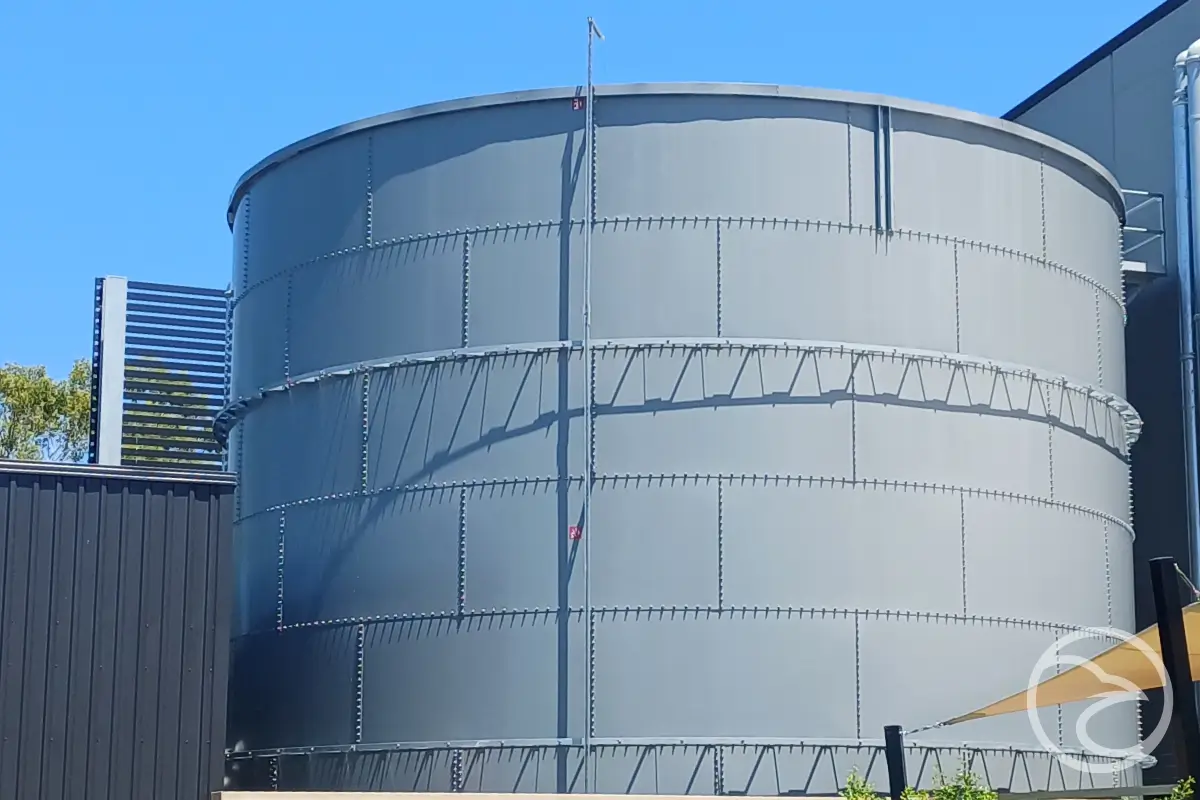
Steel tanks remain a practical solution for many projects, particularly where specific structural or operational requirements apply. Regular maintenance and protective coatings are often needed to minimise corrosion over time.
The most suitable tank depends on your project objectives rather than a single material. Factors such as water quality, available space, environmental conditions and lifecycle costs should all be considered before selecting a water storage solution.
GRP Panel Tanks vs Concrete Tanks
Concrete tanks have traditionally been used for large water storage projects, while GRP panel tanks offer a modern modular alternative. Each option has advantages depending on project requirements, installation conditions and long-term operational goals.
| Feature | GRP Panel Tanks | Concrete Tanks |
|---|---|---|
| Construction | Modular panel system | Cast in situ or precast |
| Installation Time | Faster on-site assembly | Longer construction time |
| Weight | Lightweight | Heavy structure |
| Site Access | Suitable for restricted locations | May require extensive site preparation |
| Corrosion Resistance | Excellent | Can require repairs over time |
| Expansion | Easily expandable | Difficult to modify |
| Maintenance | Low maintenance | Periodic inspections and repairs |
| Relocation | Can be dismantled and relocated | Permanent installation |
GRP panel tanks are often preferred when installation speed, flexibility and future expansion are priorities. Their modular construction allows efficient assembly without major site disruption.
Concrete tanks remain a suitable choice for some large-scale projects where permanent underground or structural storage is required. However, they generally involve longer construction schedules and more complex site preparation.
Selecting the right water storage solution depends on your operational requirements, available space, project timeline and lifecycle costs. A professional engineering assessment helps ensure the best outcome for your application.
How to Choose the Right GRP Panel Tank
Choosing the right GRP panel tank involves more than selecting the required storage capacity. A well-designed system should match your site’s conditions, operational requirements and long-term performance expectations.
When selecting a GRP water tank, consider the following factors:
- Required storage capacity
- Available installation space
- Water application
- Site access
- Structural support requirements
- Future expansion needs
- Australian standards compliance
- Maintenance accessibility
Storage capacity is one of the most important considerations. The tank should provide sufficient water volume while allowing for future operational growth where required.
Installation conditions also influence the final design. Limited site access, rooftop locations or confined spaces may require customised GRP panel tank configurations.
The intended application should also be considered. Potable water, fire water and industrial process water may require different materials, accessories and engineering specifications.
Long-term maintenance is another important factor. Easy access for inspections and servicing helps maximise system performance and extends the tank’s service life.
Need help selecting the right GRP water tank? Contact Raven Tanks for expert advice and customised water storage solutions tailored to your project.
Can GRP Panel Tanks be Customised?
One of the biggest advantages of GRP panel tanks is their design flexibility. Unlike many traditional water storage systems, GRP tanks can be customised to meet specific project requirements.
Customisation options may include:
- Tank dimensions
- Storage capacity
- Panel configurations
- Roof systems
- Internal baffle walls
- Insulated panels
- Access ladders
- Safety platforms
- Level monitoring systems
- Inlet and outlet connections
- Overflow arrangements
- Base support systems
Every project presents different challenges. Available space, water demand, environmental conditions and operational requirements all influence the final tank design.
A customised GRP panel tank helps maximise available space while ensuring the system performs efficiently throughout its service life. It also allows future expansion to be considered during the initial design stage.
Complex projects often require detailed engineering to ensure structural integrity, compliance and long-term reliability. Professional planning also helps simplify installation and ongoing maintenance.
Learn more about our industrial tank engineering services to discover how Raven Tanks designs customised water storage solutions for complex commercial and industrial projects.
How Long do GRP Panel Tanks Last?
GRP panel tanks are designed for long-term performance when properly installed and maintained. Their corrosion-resistant construction helps extend service life in demanding commercial and industrial environments.
The lifespan of a GRP water tank depends on several factors, including installation quality, operating conditions, water type and routine maintenance. Regular inspections also help identify minor issues before they become major repairs.
With professional design, installation and ongoing maintenance, GRP panel tanks can provide reliable water storage for many years.
Common GRP Panel Tank Problems
GRP panel tanks are highly durable, but regular inspections remain important to maintain reliable performance throughout their service life.
Some common issues include:
- Damaged seals
- Loose fixings
- Panel damage
- Water leaks
- Internal sediment build-up
- Worn accessories
- Damaged level indicators
- Roof component wear
Most issues can be identified early through routine inspections and resolved before they affect system performance.
GRP Panel Tank Maintenance
Routine maintenance helps maximise the performance, reliability and lifespan of GRP panel tanks. Scheduled inspections also help ensure the system continues operating safely and efficiently.
Maintenance typically includes:
- Visual inspections
- Seal inspections
- Leak detection
- Panel condition checks
- Cleaning when required
- Accessory inspections
- Structural assessments
- Performance testing
Professional servicing helps reduce unexpected downtime and extends the operational life of your GRP water tank.
Final Thoughts
GRP panel tanks offer an effective combination of strength, flexibility and corrosion resistance. Whether used for potable water, fire protection or industrial applications, they provide reliable long-term water storage when correctly designed, installed and maintained.