
Microbiologically Influenced Corrosion (MIC corrosion) is a serious and often underestimated threat to water storage tanks. It affects steel, concrete, and coated tank surfaces and can lead to accelerated material degradation if not detected early.
This guide explains what MIC corrosion is, how it develops in water tanks, how it can be detected, and which preventive measures help reduce long-term damage.
What is MIC Corrosion?
MIC corrosion is a form of material degradation caused by microorganisms such as bacteria, algae, and fungi. These organisms attach to tank surfaces and form biofilms that create localized chemical environments, accelerating corrosion processes.
Unlike uniform corrosion, MIC corrosion:
- develops unevenly
- causes deep pitting
- progresses beneath biofilm layers
These characteristics make MIC corrosion particularly difficult to identify during early stages.
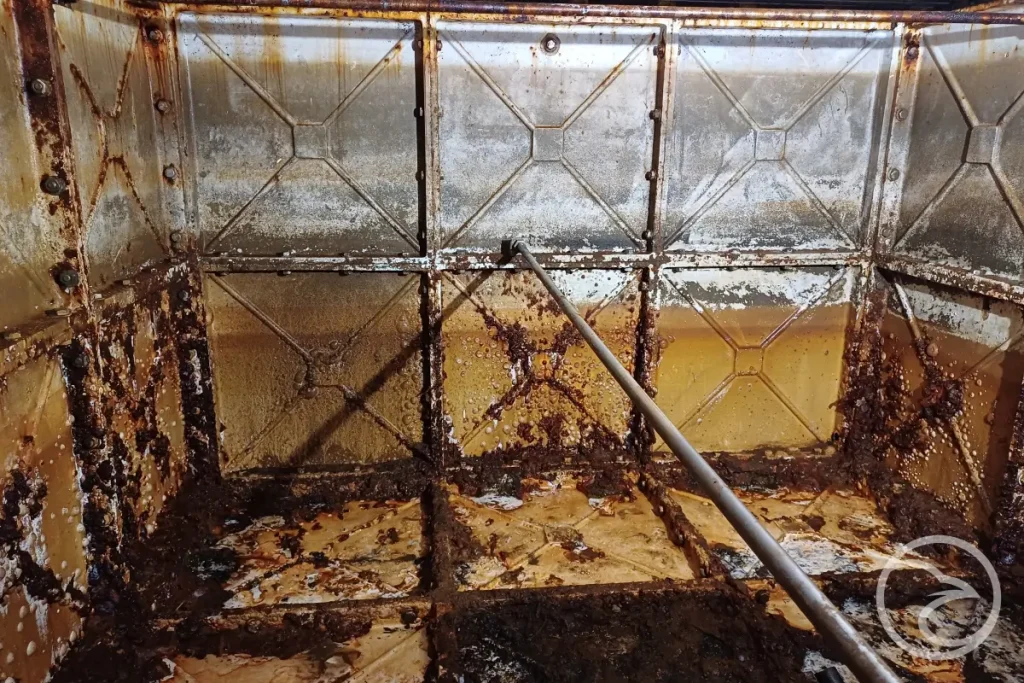
MIC Corrosion in Water Storage Tanks
Water storage tanks often provide favorable conditions for MIC corrosion due to:
- continuous moisture exposure
- limited oxygen circulation
- nutrient-rich sediments
- stagnant or low-flow zones
Once microbial biofilms develop, corrosion activity can remain hidden beneath the surface for extended periods.
Common Causes of MIC Corrosion in Tanks
Several environmental and operational factors contribute to MIC corrosion in water tanks, including:
- accumulation of sludge and organic sediments
- insufficient water circulation
- degraded protective coatings
- absence of regular internal inspections
- elevated operating temperatures
Certain bacteria, such as sulfate-reducing bacteria (SRB), are frequently linked to aggressive MIC corrosion due to their ability to alter local chemical conditions.
How to Detect MIC Corrosion Early
Early detection plays a key role in reducing long-term structural damage in water storage tanks.
Visual Indicators
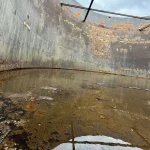
Common visual signs of MIC corrosion include:
- dark or black corrosion spots
- localized pitting
- slime or biofilm accumulation
- blistering or delamination of coatings
Detection Methods
MIC corrosion is often identified through:
- internal tank inspections
- surface sampling and laboratory analysis
- ultrasonic thickness measurements
- targeted examination of high-risk zones
How MIC Corrosion Affects Tank Liners and Coatings
MIC corrosion does not only impact exposed steel or concrete surfaces. Microbial activity can also affect:
- protective coatings
- PVC tank lining material
- joint seals and penetration points
Over time, microbial processes may weaken liner materials, reduce adhesion, and create concealed corrosion pathways. This highlights the importance of compatibility between tank liners and inspection methods in MIC-prone environments.
Preventive Measures for MIC Corrosion
Reducing the risk of MIC corrosion typically involves a combination of preventive strategies, such as:
- routine tank cleaning and sludge removal
- scheduled internal inspections
- maintaining protective coatings or liners
- monitoring water chemistry
- managing biofilm formation
Preventive measures help extend tank service life and reduce the likelihood of advanced corrosion damage.
MIC Corrosion and Long-Term Tank Integrity
If left unaddressed, MIC corrosion may result in:
- reduced structural integrity
- shortened tank lifespan
- increased risk of leaks
- long-term compliance challenges
Understanding how MIC corrosion develops allows tank owners and facility managers to take informed steps to protect water storage systems.
Final Overview
MIC corrosion represents a hidden but significant risk for water storage tanks. Early identification, appropriate inspection methods, and effective preventive measures are essential for minimizing long-term damage and maintaining tank reliability.
Additional information on MIC corrosion mechanisms and their impact on tank structures can be found here.
Frequently Asked Questions
What causes MIC corrosion in water tanks?
MIC corrosion is caused by microorganisms that create corrosive micro-environments on tank surfaces, often beneath biofilms.
Can MIC corrosion occur in potable water tanks?
Yes. MIC corrosion can develop in potable water tanks when biofilms and sediments are present, even in treated water systems.
How fast does MIC corrosion spread?
The progression rate varies, but MIC corrosion can advance rapidly once biofilms are established and remain undetected.
Can tank liners prevent MIC corrosion?
Tank liners can significantly reduce MIC corrosion risk when properly selected, installed, and maintained.