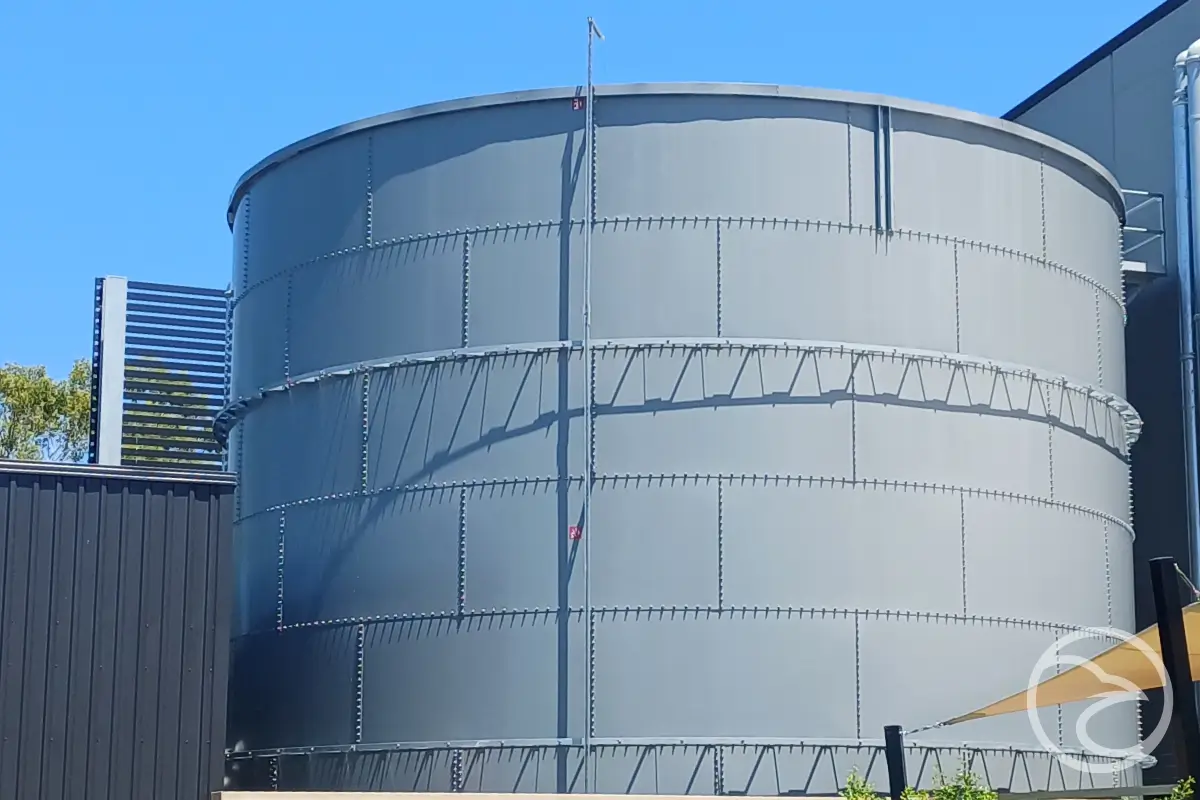

Water storage tanks are used across residential, agricultural, commercial, and industrial settings to store water for short- and long-term use. The performance, lifespan, and suitability of a water tank depend largely on the material used in its construction.
This guide provides an overview of common water tank materials, explaining where each material is typically used and what factors influence its suitability for different storage applications.
Overview of Common Water Tank Materials
Water tanks are manufactured from a range of materials, each designed to meet specific operational, environmental, and regulatory requirements. Common materials used in water storage tanks include steel, fiberglass, concrete, and polyethylene.
Rather than identifying a single “best” option, understanding the characteristics of each material helps determine where it is most commonly applied.
Underground Fiberglass Tanks
Fiberglass tanks are widely used in underground and semi-buried installations. Their corrosion resistance and lightweight structure make them suitable for applications where soil conditions or groundwater exposure may affect other materials.
These tanks are commonly used in:
- Industrial water storage
- Chemical and wastewater applications
- Sites requiring underground installation
Fiberglass tanks are valued for their durability, though installation conditions and load requirements must be carefully assessed.
Carbon Welded Steel Tanks
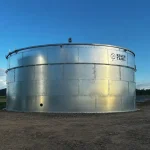
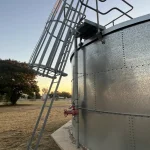
Carbon welded steel tanks are known for their structural strength and ability to handle large storage volumes. They are frequently used in industrial and municipal environments where high capacity and mechanical durability are required.
Typical applications include:
- Industrial process water
- Fire water storage systems
- Large-scale infrastructure projects
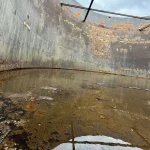
Steel tanks often require protective coatings or linings to manage corrosion risks over long-term use.
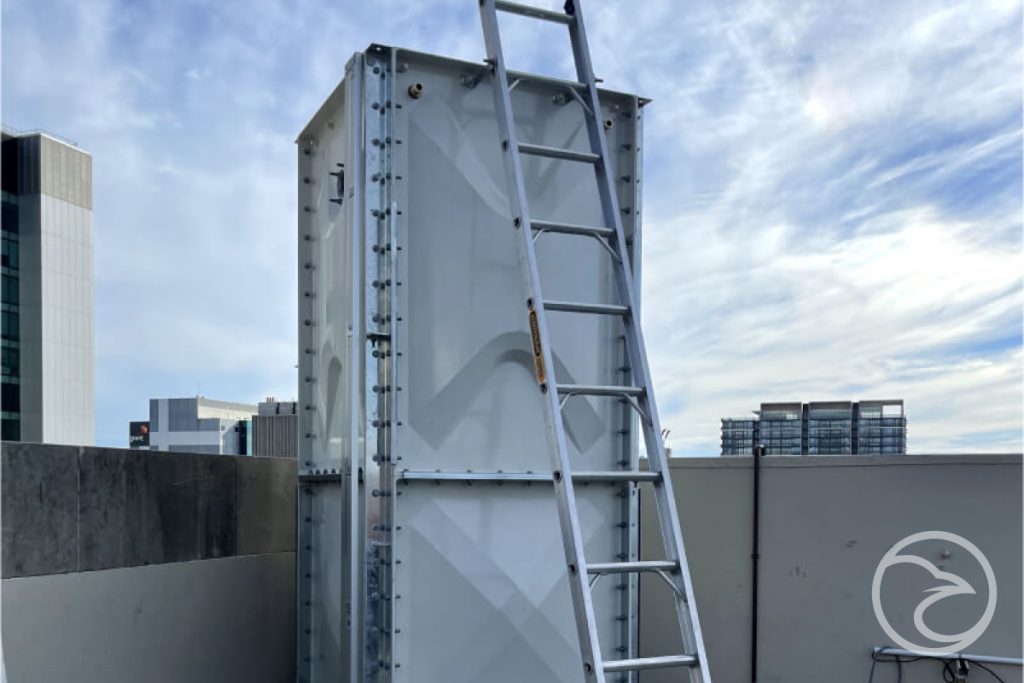
Above-Ground Concrete and Composite Tanks
Above-ground storage tanks constructed from concrete or composite materials are commonly used where permanence and structural mass are required. These tanks are often installed in fixed locations and designed for long service life.
They are typically used for:
- Municipal water storage
- Potable and non-potable water systems
- Wastewater and stormwater applications
Their weight and installation requirements make them less flexible than modular systems.
Polyethylene Water Tanks
Polyethylene tanks are widely used in residential and light commercial applications. Their low weight and simple installation make them a practical option where cost efficiency and ease of handling are priorities.
Common use cases include:
- Rainwater harvesting
- Small-scale water storage
- Agricultural and rural applications
While polyethylene tanks are resistant to rust and corrosion, they may not be suitable for high-pressure, fire-rated, or large-capacity industrial systems.
Advantages
- Lightweight and easy to install
- Corrosion resistant
- Available in many shapes and sizes
Limitations
- UV exposure can cause long-term degradation
- Limited pressure tolerance
- Not suitable for all industrial environments
Key Factors that Influence Material Selection
When reviewing common water tank materials, several factors typically influence suitability:
- Storage volume requirements
- Environmental exposure
- Water quality and regulatory standards
- Installation location (above-ground or underground)
- Long-term maintenance considerations
Evaluating these factors helps align material selection with operational needs rather than relying on a single universal solution.
Conclusion
There is no single material that suits every water storage application. Common water tank materials each offer distinct characteristics that make them suitable for specific environments and operating conditions.
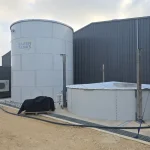
Understanding common water tank materials helps define which storage systems are best suited for specific operational demands, including industrial panel tank systems used in large-scale applications.