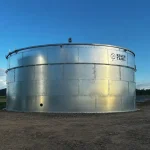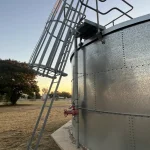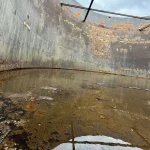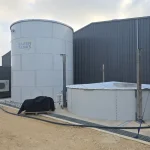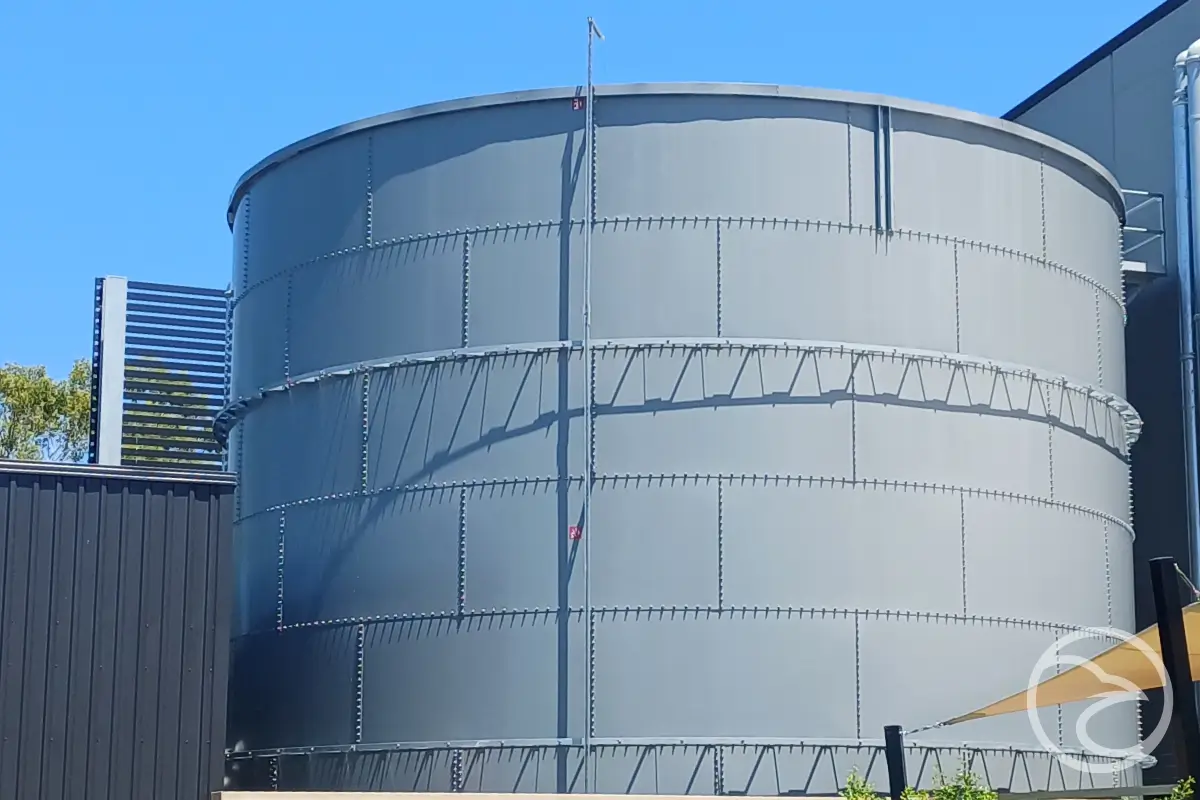

Water tanks are designed for durability, but problems can still occur over time. Most issues develop gradually and worsen without proper maintenance.
Understanding common problems helps prevent system failure. It also ensures safe and efficient water storage.
This guide covers the most frequent water tank issues and how to fix them.
Most Common Water Tank Problems
Water tanks face several recurring issues. These problems affect performance, water quality, and structural integrity.
Sediment Build-Up
Sediment naturally collects at the bottom of tanks. It includes dirt, debris, and mineral deposits. Over time, this buildup reduces storage capacity. It can also affect water flow and pressure.
Excess sediment may damage internal components. It also creates conditions for bacterial growth.
Solution:
Regular cleaning is essential to remove accumulated sediment.
Follow a structured water tank maintenance checklist to stay consistent.
Algae Growth
Algae can develop in tanks exposed to sunlight. This is common in poorly sealed or translucent tanks.
It affects water quality and may cause unpleasant odours. Algae also promote bacterial growth.
Solution:
Ensure the tank is properly sealed from light. Schedule regular cleaning to remove contamination.
Leaks and Cracks
Leaks are one of the most common water tank problems. They often start as small cracks or faulty connections.
Over time, leaks can worsen and lead to water loss. They may also damage surrounding infrastructure.
Solution:
Inspect the tank regularly for signs of moisture or damage. Repair or replace damaged sections as soon as possible.
Corrosion and Rust
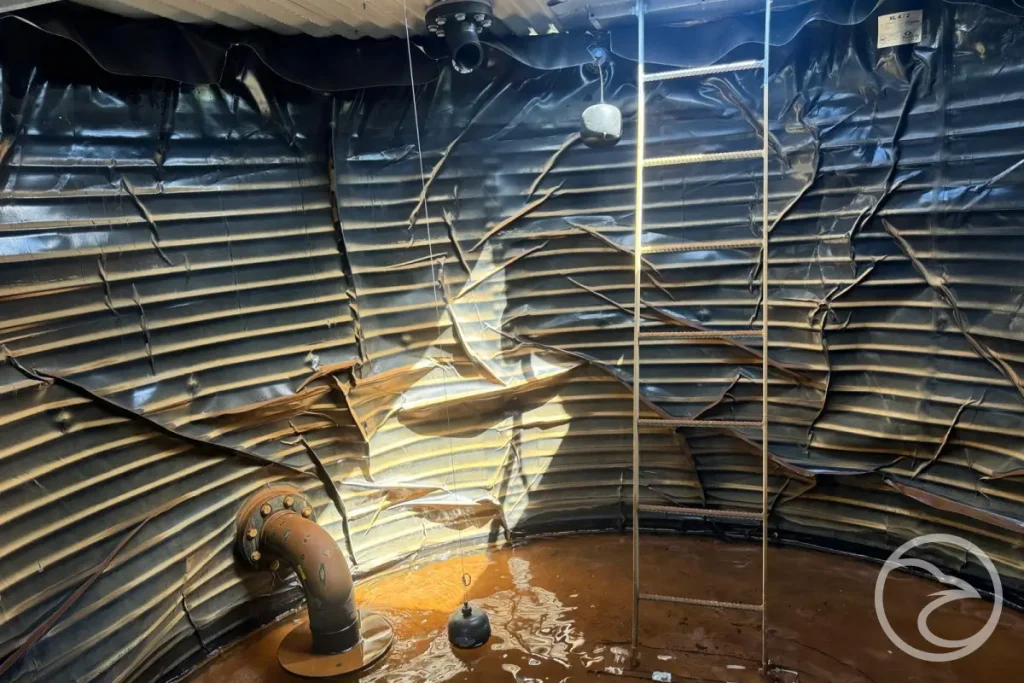
Metal tanks are vulnerable to corrosion. Rust weakens the structure and increases the risk of failure.
Corrosion often begins in joints or exposed areas. If untreated, it spreads across the tank surface.
Solution:
Apply protective coatings and monitor tank condition. Replace severely corroded components when needed.
Faulty Valves and Fittings
Valves and fittings control water flow and pressure. When they fail, system performance is affected.
Common issues include leaks, blockages, or reduced efficiency. These problems may go unnoticed without inspection.
Solution:
Test all valves regularly and replace worn components. Routine checks help prevent unexpected failures.
Structural Instability
Structural issues can develop due to poor installation or wear. They may include shifting, bending, or uneven support.
These problems increase the risk of collapse or damage. They require immediate attention.
Solution:
Inspect the tank foundation and support system. Professional assessment may be required for serious issues.
What Causes Water Tank Failures
Understanding the root causes helps prevent recurring problems. Most failures result from a combination of factors.
Lack of Maintenance
Neglect is the leading cause of tank failure. Without regular checks, small issues remain unnoticed.
Over time, they develop into serious structural or operational problems.
Poor Installation
Improper installation can affect tank stability and performance. It may lead to uneven pressure or structural stress.
These issues often appear months or years later.
Environmental Exposure
Weather conditions can impact tank durability. Exposure to sunlight, moisture, and temperature changes accelerates wear.
This is especially relevant for outdoor installations.
Material Degradation
All materials degrade over time. Metal tanks corrode, while other materials may weaken or crack.
Regular inspection helps identify early signs of deterioration.
How to Prevent Water Tank Problems
Preventive maintenance is the most effective way to avoid failure.
It reduces risk and extends the life of the system.
Follow a Maintenance Schedule
Routine inspections help detect problems early. Monthly, quarterly, and annual checks are recommended.
A structured approach ensures consistency.
Monitor Warning Signs
Pay attention to early indicators of damage. These include leaks, rust, and water quality changes.
You can review signs your water tank needs maintenance for detailed guidance.
Keep the Tank Clean
Cleaning prevents sediment buildup and contamination. It also improves water quality and system efficiency.
Professional cleaning may be required for larger systems.
Replace Worn Components
Do not delay replacing damaged parts. Faulty components can affect the entire system.
Timely replacement prevents more serious issues.
Use Professional Services
Some maintenance tasks require specialised equipment. Professional support ensures safe and effective servicing.
For long-term reliability, consider water tank maintenance services.
Final Thoughts
Water tank problems are often preventable with proper care. Most issues develop slowly and can be managed early.
Regular inspection and maintenance are essential. They help protect water quality and system performance. A proactive approach reduces repair costs and downtime. It also ensures the tank operates efficiently for years.
Understanding common problems and solutions is key. It allows you to respond quickly and avoid major failures.